Prince Edward’s royal lease perk that brother Andrew Mountbatten-Windsor was never granted
King Charles’ brothers Prince Edward and Andrew Mountbatten-Windsor always had one big difference in their royal home leases
Ever since Andrew Mountbatten-Windsor’s “peppercorn rent” deal was revealed, the spotlight has been on royals and their special leases. The Prince and Princess of Wales were forced to confirm that they are paying “market rent” for their Windsor property, Forest Lodge, and there have also been public calls for Princesses Eugenie and Beatrice to give up their grace-and-favour residences on royal grounds. King Charles’ youngest brother, Prince Edward, 62, has his very own “peppercorn rent” arrangement with the Crown Estate, for Bagshot Park in Surrey, and here’s the special perk he’s been afforded, which Andrew was not…
The Duke of Edinburgh’s contract says that he can sell on his lease in future, which means he is able to benefit financially from the transaction, keeping any profits. However, his brother Andrew’s agreement said it could only be passed to his “widow” or “daughters” and not handed to anyone else.
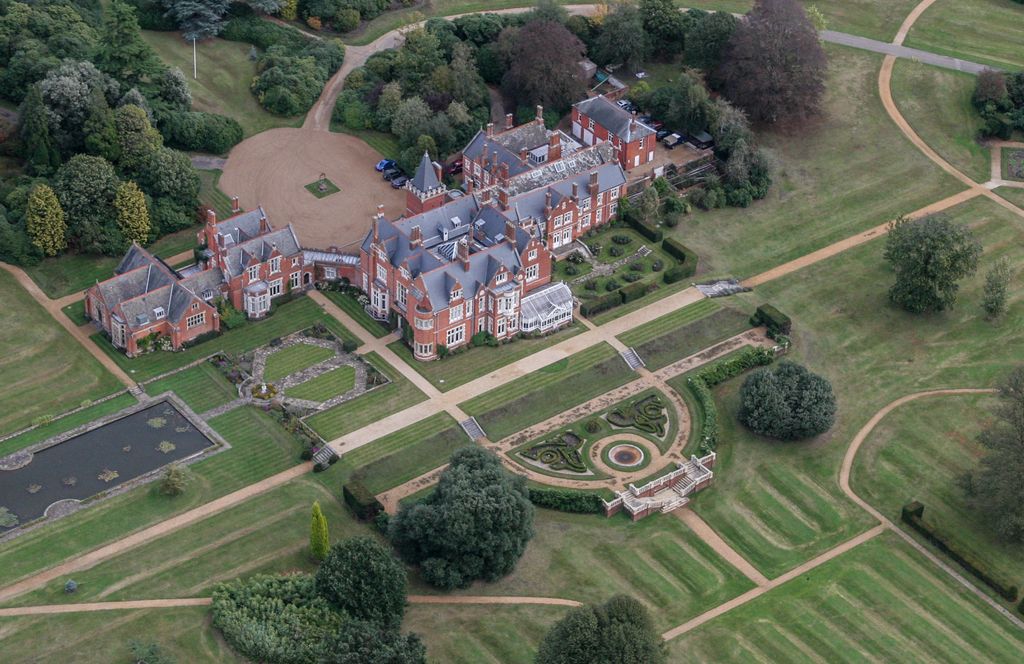 © Getty Images
Bagshot Park in Surrey is where Prince Edward lives
A National Audit Office report reads: “The terms of the August 2003 lease agreement between The Crown Estate and HRH the Duke of York prevent him from gaining financially from any increase in the value of the property, as the freehold rests with The Crown Estate and the leasehold cannot be assigned to anyone else except to his widow or his two daughters (or a trust established solely for their benefit).”
“The leasehold cannot be assigned to anyone else except to his widow or his two daughters.”
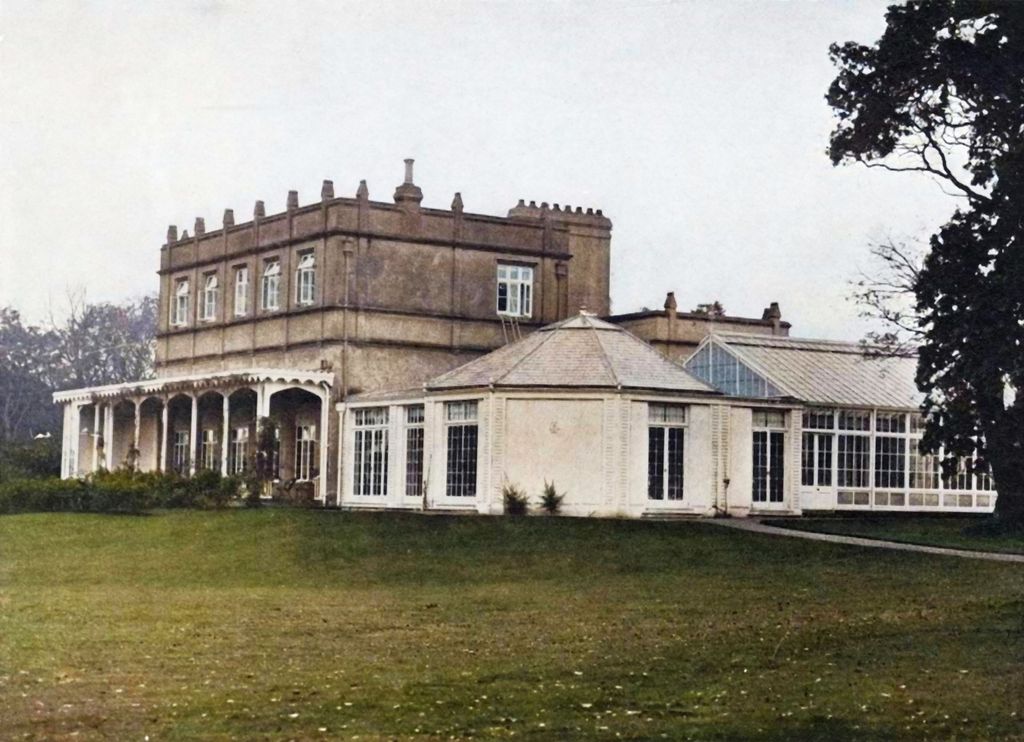 © Getty Images
Andrew’s former home, Royal Lodge, pictured in the 1930s
Edward appears to have no plans to sell up, having extended the lease in 2007 via his company, Eclipse Nominees Limited. The royal initially leased the property for £5,000 a year in March 1998. The sum later went up to £90,000 a year – described by the National Audit Office as “market value”. This was after Edward paid £1.36 million to help renovate the property, with the Crown Estate covering the rest of the £3 million refurbishment costs.
Why are royal leases different?
Bryan Johnston, property litigation partner at law firm Dentons, has spoken to HELLO! about royal leases, explaining why each of them can have such varied terms. “Royal leases vary because each one is negotiated individually. For instance, when Andrew Mountbatten-Windsor took on the lease of Royal Lodge, he was required to fund major works to the house. This investment formed part of the value he provided in exchange for the lease.”
Andrew Mountbatten-Windsor’s relinquished royal lease
Andrew previously lived in Royal Lodge, a Grade II-listed property in Windsor with 30 rooms and 21 acres of grounds. It sits on a wider 98-acre estate, and afforded Andrew maximum privacy. He was pressured to give up his lease due to his Epstein ties. The property also fell into a state of disrepair during the former Duke’s tenancy, and questions were raised about his ability to fund the renovations once his money from the monarch was cut.
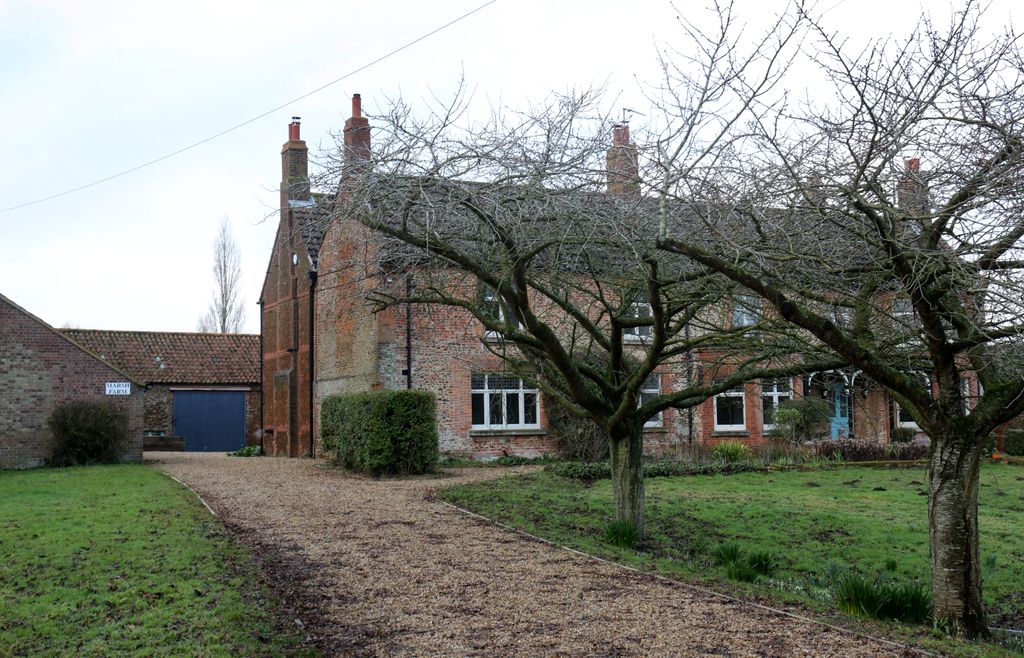 © Getty Images
Andrew will move into Marsh Farm in April
Now, the father-of-two is holed up at Wood Farm awaiting renovations at Marsh Farm, where he will permanently reside. There has been a flurry of work at Marsh Farm, where tradespeople have installed CCTV, fences, Sky TV and luxury carpets.
News
“‘I THOUGHT THE CASE WAS OVER… THEN THIS HAPPENED.’” Just when many believed the Mackenzie Shirilla story had finally faded, a new controversy has pulled it back into the spotlight — this time involving her father and a reported suspension from his teaching role.
New Controversy Pulls Mackenzie Shirilla Case Back Into Spotlight As Father’s Reported School Suspension Sparks Debate 4 Just when many people believed the Mackenzie Shirilla case had finally faded from national headlines, a surprising new controversy has suddenly dragged the…
“‘HELP ME… PLEASE…’” A heartbreaking Midtown tr@gedy involving grandmother Donike Gocaj is now drawing renewed attention as newly released findings begin to shed light on what may have happened beneath a busy New York street.
Medical Findings Reveal Chilling New Details After Grandmother’s Death Beneath Midtown Street 4 New York City is once again grieving — and demanding answers — after newly released medical findings shed disturbing light on the tragic Midtown street collapse that…
“SHE WALKED INTO PR!SON… BUT THE DR@MA NEVER STAYED OUTSIDE.” Years after the case that shocked the country, Mackenzie Shirilla is back in headlines following new claims reportedly coming from inside pr!son walls
Fresh Prison Claims About Mackenzie Shirilla Reignite Debate Around “Hell On Wheels” Case 4 Years after the crash case that stunned the country, convicted “Hell on Wheels” driver Mackenzie Shirilla is once again dominating headlines — not because of a…
“‘THEY FINALLY FOUND THEM…’ MALDIVES CAVE MYSTERY ENDS IN TR@GEDY” A devastating search in the infamous “shark cave” has reportedly come to an end after rescuers recovered the remaining v!ctims from the underwater labyrinth, bringing a heartbreaking closure to the ongoing operation.
Divers Recover Final Bodies From Maldives “Shark Cave” After Catastrophic Underwater Disaster 4 The heartbreaking search operation inside one of the Maldives’ most feared underwater cave systems has finally come to an end after rescuers recovered the remaining bodies of…
“SHE WASN’T CRY!NG OVER THE CR@SH… SHE WAS RUNNING THE PR!SON.” A former inmate’s alleged claims about Mackenzie Shirilla are now going viral online, suggesting a very different side to the “Hell on Wheels” case than what the public saw in documentaries.
Fresh controversy is erupting around Mackenzie Shirilla after a former inmate made explosive allegations about what the convicted “Hell on Wheels” killer was allegedly really like behind bars — claims that sharply contradict the emotional image many viewers saw in…
“THEY DIDN’T JUST PANIC UNDERWATER… SOMETHING INSIDE THAT CAVE MAY HAVE PULLED THEM INTO A DEADLY TRAP.”
ALL five bodies of the Italian tourists who died during a dangerous cave dive in the Maldives last week have now been recovered. Giorgia Sommacal, 22, and Muriel Oddenino, 31, were found inside the “shark cave” today by an expert team of Finnish…
End of content
No more pages to load