Fresh controversy is erupting around Mackenzie Shirilla after a former inmate made explosive allegations about what the convicted “Hell on Wheels” killer was allegedly really like behind bars — claims that sharply contradict the emotional image many viewers saw in Netflix’s new documentary The Crash.
The disturbing accusations surfaced just days after the release of the viral true-crime documentary, which revisits the 2022 Strongsville, Ohio crash that killed Dominic Russo and Davion Flanagan after prosecutors said Shirilla intentionally drove her car into a brick wall at nearly 100 mph.
Now, former inmate Mary Katherine Crowder claims the version of Shirilla presented on screen is “nothing like” the woman she allegedly encountered while serving time alongside her at the Ohio Reformatory for Women.
According to Crowder’s allegations, Shirilla allegedly became one of the prison’s most talked-about inmates — described as a so-called “queen bee” or “It girl” figure who constantly drew attention from both inmates and admirers outside prison walls.
The former inmate further alleged Shirilla maintained a glamorized image behind bars, wearing altered prison clothing, makeup, and customized accessories while allegedly becoming involved in multiple prison romances.
Social media exploded almost instantly after clips discussing the allegations began circulating online.
Many viewers who recently watched The Crash said they were stunned by the contrast between the emotional, remorseful young woman shown in the Netflix documentary and the far colder image now being painted by former inmates.
“She wasn’t crying over the crash… she was running the prison,” one viral social media comment claimed.
Others accused Netflix of creating an overly sympathetic portrayal that minimized darker aspects of the case and Shirilla’s alleged behavior after conviction.
In The Crash, Shirilla gives her first major prison interview, insisting she is “not a monster” and denying she intentionally killed Russo and Flanagan.
Her defense team has long argued the fatal collision may have been linked to a medical episode rather than premeditated murder — a position prosecutors fiercely rejected during trial.
In 2023, an Ohio judge convicted Shirilla on 12 felony counts, including murder and aggravated vehicular homicide, sentencing her to life in prison with parole eligibility after 15 years.
The renewed attention surrounding the case has also resurfaced older controversies that critics say the Netflix documentary only briefly touched on.
Those include allegations involving threatening messages, toxic relationship dynamics, recordings investigators found suspicious, and claims Shirilla previously threatened to crash the car during emotional disputes.
Meanwhile, the families of victims Dominic Russo and Davion Flanagan continue grieving the devastating loss that first shocked Ohio nearly four years ago.
For many people online, however, the biggest shock now comes from the growing divide between the documentary narrative and the darker prison stories allegedly emerging afterward.
And as more former inmates begin speaking publicly, many viewers believe the Mackenzie Shirilla story may be evolving into something even more disturbing than the Netflix version audiences originally watched.


News
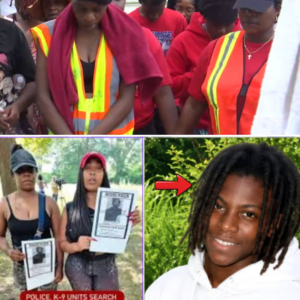
‘HE LEFT ON HIS BIKE AT 2 A.M. — AND NO ONE HAS SEEN HIM SINCE.’
A Louisiana family is desperately searching for answers after 15-year-old Ja’Derrius Minnieweather vanished during the early morning hours, leaving behind a mystery that grows more troubling with each passing day. What began as an ordinary visit to a friend’s house…
A growing controversy is attracting attention after allegations surfaced that homeless individuals in Los Angeles’ Skid Row may have been offered benefits in exchange for participating in the voting process.
An independent investigation has uncovered an extensive voter registration and signature forgery scheme targeting vulnerable populations within Los Angeles’ infamous Skid Row district. According to investigative reports and direct resident testimony broadcast by FOX LA, multiple homeless individuals have stepped…
“WHY ARE PEOPLE COMPARING PIPPA’S SECURITY TO HARRY’S?” — A NEW ROYAL DEBATE IS DIVIDING OPINIONS ON BOTH SIDES OF THE ATLANTIC
“WHY ARE PEOPLE COMPARING PIPPA’S SECURITY TO HARRY’S?” — A NEW ROYAL DEBATE IS DIVIDING OPINIONS ON BOTH SIDES OF THE ATLANTIC 5 A fresh debate has emerged among royal followers after reports revealed that Pippa Middleton and her husband…
‘TITLES AT RISK.’ KING CHARLES’ THREE WORD REMARK ARE NOW SENDING SHOCKWAVES THROUGH ROYAL CIRCLES
“ARE HARRY AND MEGHAN’S TITLES REALLY SAFE?” — A GROWING ROYAL DEBATE IS PUTTING THE SUSSEXES BACK IN THE SPOTLIGHT 6 Three words are increasingly appearing in royal discussions: “Titles at risk.” Whether that possibility is realistic or not, the…
Prince Harry shares hidden message at exact moment royals arrives for Trooping the Color
Prince Harry shares new message at exact moment royals arrive for Trooping the Colour Prince Harry has featured in a new video shared online. Prince Harry has shared a new message online just minutes after the Royal Family stepped out at this…
Trooping the Colour is filled with centuries-old traditions, military precision, and carefully planned Royal appearances. But this year, many Royal watchers focused on a subtle moment involving Princess Catherine that seemed to signal something much bigger
The subtle moment at Trooping the Colour that showed Kate’s growing royal role The Princess of Wales has once again taken a leading role at Trooping the Colour, joining King Charles III and Queen Camilla on the dais at Horse…
End of content
No more pages to load