In a courtroom filled with both the heavy weight of a six-year wait and the quiet resolve of a family’s love, a chapter of one of Alabama’s most heartbreaking tragedies finally reached its legal conclusion. On Thursday, May 7, 2026, Ibraheem Yazeed, 36, was sentenced to life in prison for the 2019 abduction and murder of 19-year-old Aniah Blanchard.
The sentencing brings a measure of closure to a case that not only shattered a family but also fundamentally reshaped Alabama’s judicial landscape. Blanchard, a student at Southern Union State Community College and the stepdaughter of former UFC heavyweight Walt Harris, was a vibrant young woman whose life was cut short in a crime that shocked the nation.

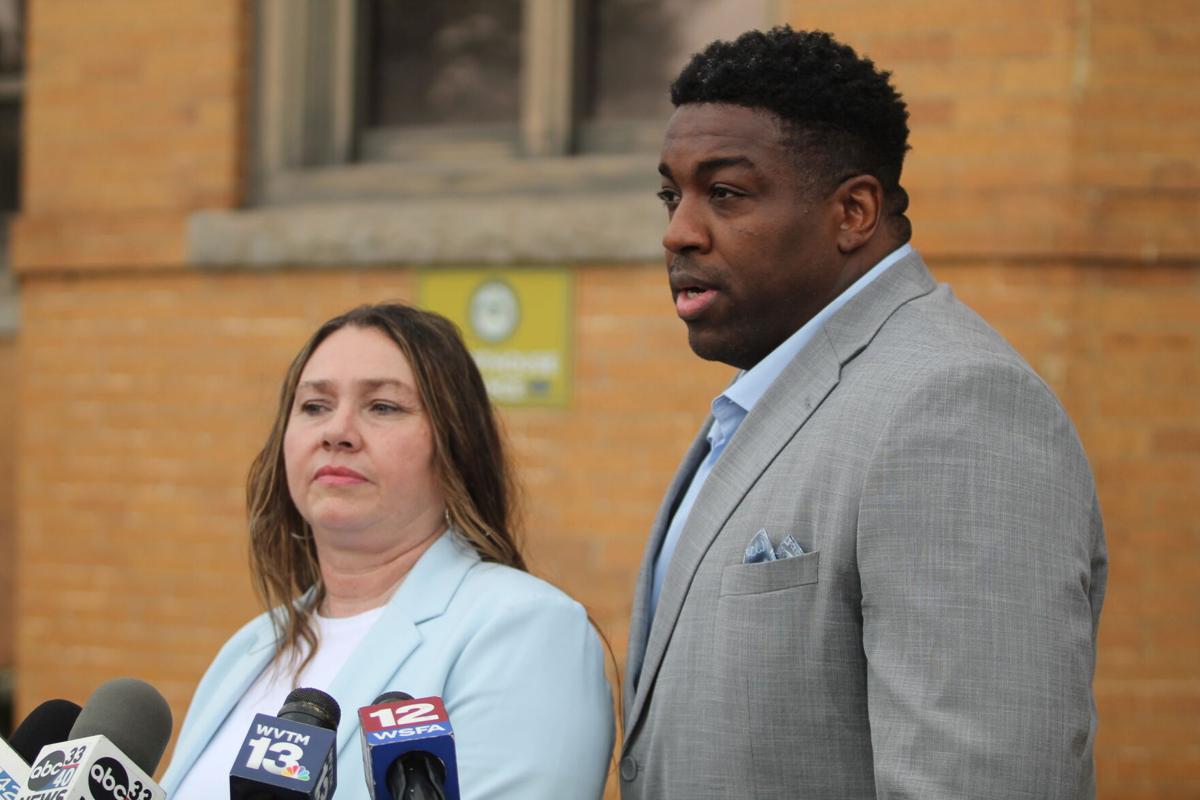
For Walt Harris, the sentencing provided a long-overdue opportunity to face the man who stole his daughter’s future. Speaking to reporters after the proceedings, Harris emphasized the importance of reclaimng the narrative from the “evil” that Yazeed represented.
“It meant everything,” Harris said, his voice reflecting the toll of a six-and-a-half-year journey through grief and the legal system. “It’s something I’ve been waiting on and working toward… It’s been a hard process.”
In a poignant reflection on the power dynamic in the courtroom, Harris added: “We’re still grieving, but it was important to look him in the eyes and let him know he didn’t win and that we have the power. I wanted him to know evil didn’t win. God always wins in the end.”
Aniah Blanchard was abducted from a gas station convenience store in Auburn on October 23, 2019. Surveillance and witnesses placed Yazeed at the scene, forcing the teenager into her own vehicle. A month-long search ended in heartbreak when her body was discovered in Macon County; an autopsy later confirmed she died from a gunshot wound.
The legal process was complex. In March 2026, a jury found Yazeed guilty of murder and felony murder. While the original indictment had included capital murder charges—which could have carried the death penalty—some of those counts were dropped or reduced shortly before closing arguments.
Aniah’s mother, Angela Harris, admitted to initial feelings of defeat when the death penalty was off the table. However, her perspective shifted upon the final sentencing. “Now I’m thankful because this is justice as well and he’ll never get out,” she said. “I know that with my whole heart.”
Perhaps the most significant outcome of this tragedy is the legislative shield now protecting Alabama residents. At the time of the murder, Yazeed was out on bond for unrelated charges of kidnapping and attempted murder. This revelation sparked a massive push for reform, led by the Harris family.

In November 2022, Alabama voters overwhelmingly approved Aniah’s Law. The constitutional amendment allows judges to deny bail to individuals accused of violent offenses if they are deemed a threat to the community.
“My daughter’s name speaks now,” her father, Elijah Blanchard, told WVTM13. “Her name was able to get a conviction, and I most definitely am happy to see whatever happens going forward that he would be behind bars for the rest of his life.”
Throughout the trial, evidence emerged of Aniah’s bravery. Prosecutors and family members pointed to the fact that Aniah fought her abductor with such ferocity that it helped investigators secure the evidence needed to identify and capture Yazeed.
“My daughter fought a very violent criminal,” Angela Harris reflected. “She fought hard, and she got him off the street so he could never hurt anybody again. And that feels good. So we know that he’ll never hurt anybody else again.”
As Ibraheem Yazeed begins his life sentence, the Auburn community and the Harris family are left to navigate a world without Aniah, but with the knowledge that her killer will never draw a breath of free air again.
The case serves as a somber reminder of the flaws in the previous bail system, but also as a testament to the resilience of a family that refused to let their daughter be remembered only as a victim. Aniah Blanchard is remembered as a fighter, a daughter, and the namesake of a law that ensures her tragedy will not be repeated for others.
In the words of her family, the conviction confirms that while the process was long and the loss remains immeasurable, the power ultimately shifted back to those who stand for justice.
News
I WATCHED ONE EPISODE… AND SUDDENLY IT WAS 2 A.M.
Mark your calendars: Nicole Kidman’s hit espionage thriller Lioness returns for an unmissable third season this August. Created by Yellowstone’s Taylor Sheridan, the thrilling series follows an elite unit of female operatives tackling high-stakes undercover missions. © Ryan Green/Paramount+. Zoe Saldaña as Joe…
‘ONE DECISION COULD DESTROY EVERYTHING…’
‘COMPELLING’ PSYCHOLOGICAL THRILLER HAS VIEWERS COMPLETELY GRIPPED WITHIN MINUTES… Jo Joyner and Diane Kruger Star in Six-Part Drama Where an A&E Doctor Faces a Heartbreaking Moral Dilemma That Could Destroy a Friendship and Change Lives Forever!A gripping six-part psychological…
VIEWERS SAY THIS TRUE CRIME DOCUMENTARY LEFT THEM COMPLETELY SHATTERED…
WHEN A MUST-WATCH TRUE CRIME DOC SHAKES VIEWERS TO THE CORE… ‘MUST WATCH’ CRIME FILM PERFECT FOR Maternal Instinct FANS NOW STREAMING ON NETFLIX — Praised as One of the Most Shocking and Unsettling Documentaries in Years! Viewers say it…
THIS BRITISH THRILLER SAW THE FUTURE BEFORE ANYONE ELSE…
‘Long Before Today’s Dystopian Hits, This Film Predicted a World on the Brink’ — Michael Caine’s Chilling Masterpiece Is Now Streaming on BBC iPlaye In a career spanning more than seven decades, two Academy Awards, and some of the…
‘EVERYONE IS TALKING ABOUT THIS WEEK’S TV LINEUP…’
MUST-WATCH TV THIS WEEK IS ABSOLUTE CHAOS… From Channel 4’s Gripping Thriller to Netflix’s Harlan Coben Drama, These Shows Are Taking Over Screens and Leaving Viewers Hooked in Minutes!! This week’s TV lineup is packed with must-see entertainment, from…
“KATE MIDDLETON RETURNED TO THE VERY ROYAL EVENT THAT ONCE CHANGED HER FUTURE WITH PRINCE WILLIAM — BUT ONE HIDDEN DETAIL MADE THE MOMENT EVEN MORE EMOTIONAL…”
“18 YEARS LATER, SHE RETURNED TO THE PLACE WHERE EVERYTHING CHANGED.” Kate Middleton’s Garter Day Appearance Carried a Meaning Many Royal Fans Immediately Recognized For most people watching Garter Day at Windsor Castle, the focus was on the pageantry. The…
End of content
No more pages to load