6 Shocking Unanswered Questions After Netflix’s American Nightmare

Netflix’s American Nightmare captivated viewers by revisiting one of the most bizarre and controversial criminal cases in recent American history. What initially appeared to police to be a hoax eventually turned into a confirmed kidnapping investigation, leaving many viewers stunned by how events unfolded.
Yet even after the documentary lays out the evidence and timeline, several troubling questions continue to spark debate online.
1. Why Were Aaron and Denise Doubted So Quickly?
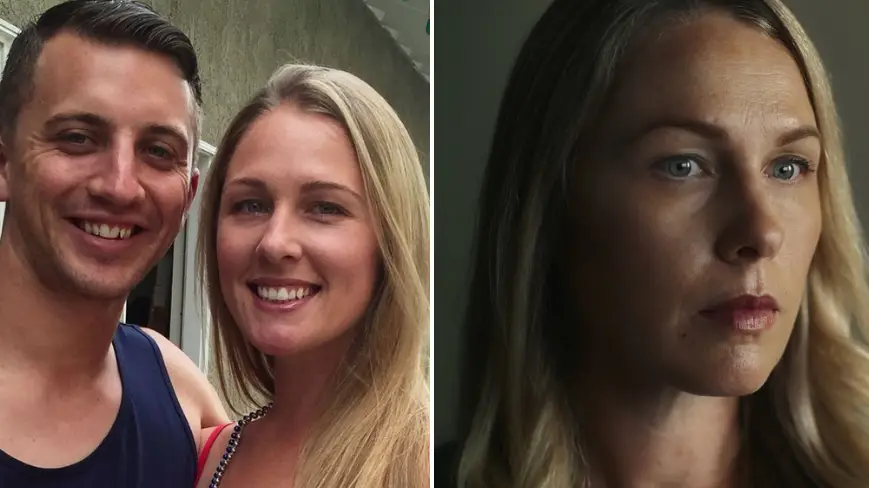
One of the biggest questions involves the initial police response.
Almost immediately after Aaron Quinn reported that his girlfriend, Denise Huskins, had been abducted, investigators began treating him as a suspect rather than a victim.
Many viewers remain puzzled by how quickly authorities appeared to dismiss the possibility that a kidnapping had actually occurred.
Could the investigation have unfolded differently if detectives had approached the case with a more open mind from the beginning?
2. How Did the Kidnapper Pull Off Such a Complex Crime?
The abduction involved elaborate planning, recorded messages, disguises, surveillance equipment, and carefully coordinated instructions.
Even years later, many people still struggle to understand how one individual was allegedly able to organize and execute such an unusual crime without raising more immediate suspicion.
The sheer level of preparation continues to fascinate and disturb viewers.
3. Were Critical Opportunities Missed During the Investigation?
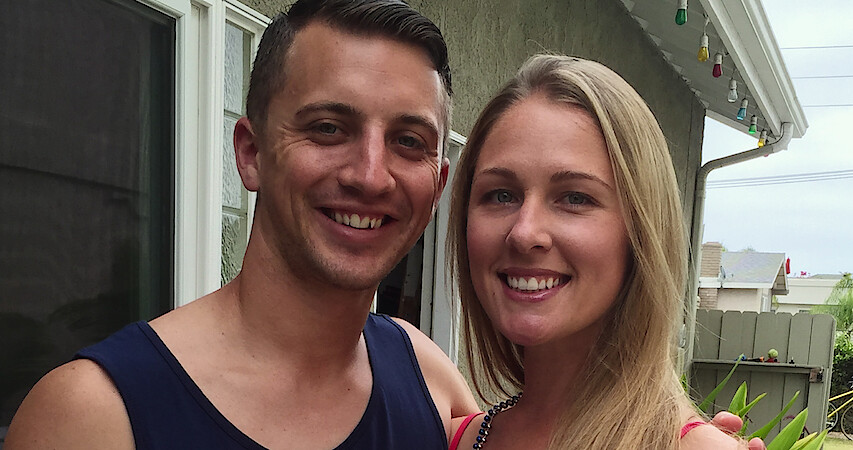
As the documentary reveals, several warning signs and pieces of evidence emerged throughout the case.
Critics have questioned whether key leads were overlooked during the crucial early stages of the investigation.
Some viewers believe the focus on proving the story was fabricated may have delayed efforts to identify the real offender.
4. Why Did the Public Accept the “Gone Girl” Narrative So Easily?
The case became widely known as the real-life “Gone Girl” case after comparisons were made to the popular novel and film.
The label spread rapidly through news coverage and social media.
Many viewers now wonder why so many people were willing to believe the victims were lying before all the facts had been examined.
The documentary raises difficult questions about public perception, media influence, and confirmation bias.
5. What Was the Real Motivation?
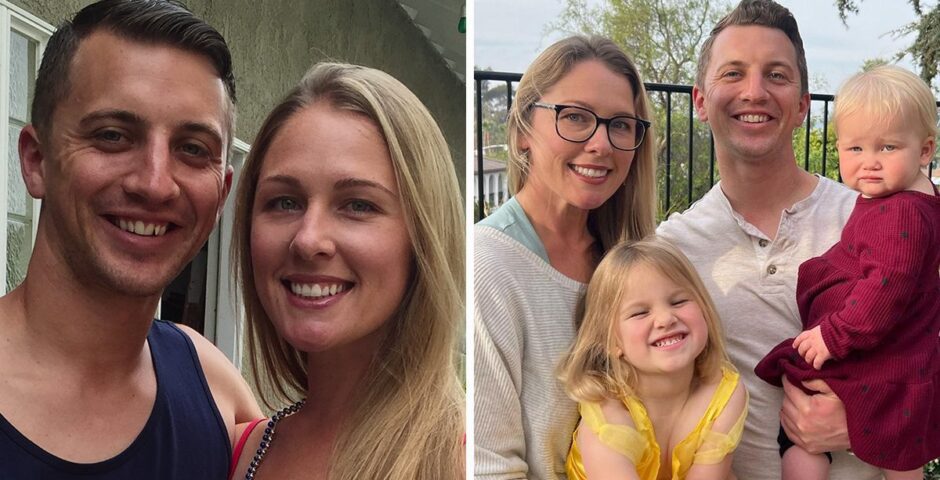
Although investigators eventually identified a suspect and established what happened, some viewers still feel questions remain regarding motive.
Why were these particular victims targeted?
Was the crime driven by obsession, fantasy, personal fixation, or something else entirely?
While certain explanations have been offered, not everyone believes every aspect of the motive has been fully explained.
6. Could Something Similar Happen Again?
Perhaps the most unsettling question is the simplest one.
If a genuine victim can be doubted, publicly criticized, and treated as a suspect while a real offender remains free, could the same thing happen in another case?
For many viewers, this broader concern becomes the documentary’s most disturbing takeaway.
Why Viewers Are Still Talking About It
What makes American Nightmare so compelling isn’t just the kidnapping itself. It’s the uncomfortable realization that assumptions, public narratives, and investigative mistakes can sometimes shape a case before the truth has a chance to emerge.
Years later, the story continues to divide viewers. Some remain focused on the criminal who carried out the kidnapping, while others are equally troubled by how the victims were treated during the investigation.
And that’s why the documentary continues to generate discussion long after the credits roll: because even when most of the mystery is solved, the lingering questions are almost as unsettling as the crime itself.
News
“THE JURY HAD A CHOICE… AND THEIR DECISION CHANGED EVERYTHING.” TEXAS TEEN RECEIVES 35-YEAR SENTENCE IN HIGH-PROFILE SCHOOL CASE
Texas Teen Sentenced to 35 Years for F*tal Track Meet St*bbing That Sh-ocked the Nation 4 A Texas teenager has been sentenced to 35 years in prison after a jury convicted him of murder in the fatal stabbing of a…
Texas Teen Sentenced to 35 Years for F*tal Track Meet St*bbing That Sh-ocked the Nation
Texas Teen Sentenced to 35 Years for F*tal Track Meet St*bbing That Sh-ocked the Nation 4 A Texas teenager has been sentenced to 35 years in prison after a jury convicted him of murder in the fatal stabbing of a…
“FEWER DAYS BEHIND BARS…” NEW UPDATE ON DIDDY’S EXPECTED RELEASE SPARKS FRESH REACTION
Sean “Diddy” Combs’ Release Date Moved Up Again as Federal Prison Term Shortens 5 Sean “Diddy” Combs is now expected to be released from federal prison sooner than originally anticipated, according to updated records from the Federal Bureau of Prisons….
“IF I DID THAT… I DESERVE THE MAX.” RAPPER MYSTIKAL SPEAKS IN COURT BEFORE RECEIVING LENGTHY PRISON SENTENCE
Rapper Mystikal Sentenced to 20 Years in Prison After Rape Conviction 5 Grammy-nominated rapper Mystikal has been sentenced to 20 years in prison after pleading guilty to third-degree rape in a Louisiana case that has drawn national attention and marked…
“HARRY AND MEGHAN JUST SPOKE OUT… AND THEIR MESSAGE IS GETTING PEOPLE TALKING.” SUSSEXES REACT TO MAJOR UK ANNOUNCEMENT
Prince Harry and Meghan Markle Welcome UK Government’s New Online Safety Measures for Children 5 Prince Harry and Meghan Markle have publicly welcomed the UK Government’s latest efforts to strengthen online protections for children, describing the new measures as an…
“THEIR RESPONSE WAS SHORT… BUT IT’S NOW MAKING HEADLINES.” PRINCE HARRY AND MEGHAN WEIGH IN ON MAJOR UK DECISION
Prince Harry and Meghan Markle Welcome UK Government’s New Online Safety Measures for Children 5 Prince Harry and Meghan Markle have publicly welcomed the UK Government’s latest efforts to strengthen online protections for children, describing the new measures as an…
End of content
No more pages to load