“A BILLION-DOLLAR BATTLE IS BREWING…” — Michael TAKES ON Bohemian Rhapsody IN GLOBAL BOX OFFICE SHOWDOWN …
The 2018 film Bohemian Rhapsody and the 2026 release Michael represent two of the most ambitious and commercially successful attempts to bring legendary musicians to the big screen. While both films follow the familiar biopic formula of rise to fame, personal struggles, and spectacular musical performances, they differ significantly in critical reception, production challenges, audience response, and box office trajectories.

Bohemian Rhapsody, directed by Bryan Singer and Dexter Fletcher, chronicles the story of Freddie Mercury and Queen up to their iconic 1985 Live Aid performance. Made on a modest budget of approximately 50 to 55 million dollars, the film opened to 51 million dollars domestically and 124 million dollars worldwide in its first weekend. Despite mixed reviews from critics, who described it as somewhat shallow and overly focused on hits, it achieved remarkable longevity. Thanks to strong word-of-mouth and repeat viewings, it ultimately grossed over 910 million dollars worldwide, becoming one of the highest-earning biographical films of all time and winning four Academy Awards, including Best Actor for Rami Malek’s transformative performance as Mercury.
In contrast, Michael, directed by Antoine Fuqua and starring Jaafar Jackson as his uncle Michael Jackson, covers the King of Pop’s journey from the Jackson 5 era through the late 1980s. The film deliberately ends before the major controversies of the 1990s. Production was far more expensive and turbulent. Originally budgeted at around 155 million dollars, it underwent extensive reshoots costing an additional 10 to 15 million dollars or more to revise the ending and address legal concerns related to a settlement agreement. Some reports place the final production cost near or above 200 million dollars, making it one of the most expensive music biopics ever produced.

Upon its release in April 2026, Michael shattered records with a staggering opening weekend. It earned 97 million dollars domestically and approximately 217 million dollars globally, far surpassing Bohemian Rhapsody’s debut and setting a new all-time record for the biggest opening of any biopic. Early domestic totals quickly climbed past 104 million dollars, while international earnings contributed strongly across dozens of territories.
Critical reception highlights a sharp divide. Bohemian Rhapsody received a 60 percent approval rating from critics on Rotten Tomatoes, with audiences at 85 percent. Michael has faced harsher scrutiny, currently sitting at around 38 to 40 percent from critics, who often describe it as sanitized and lacking depth. However, audience scores tell a different story: Michael boasts an exceptional 96 to 97 percent audience rating on Rotten Tomatoes, along with an A- CinemaScore, indicating strong satisfaction among viewers who treat the film as a celebratory concert experience rather than a probing character study.
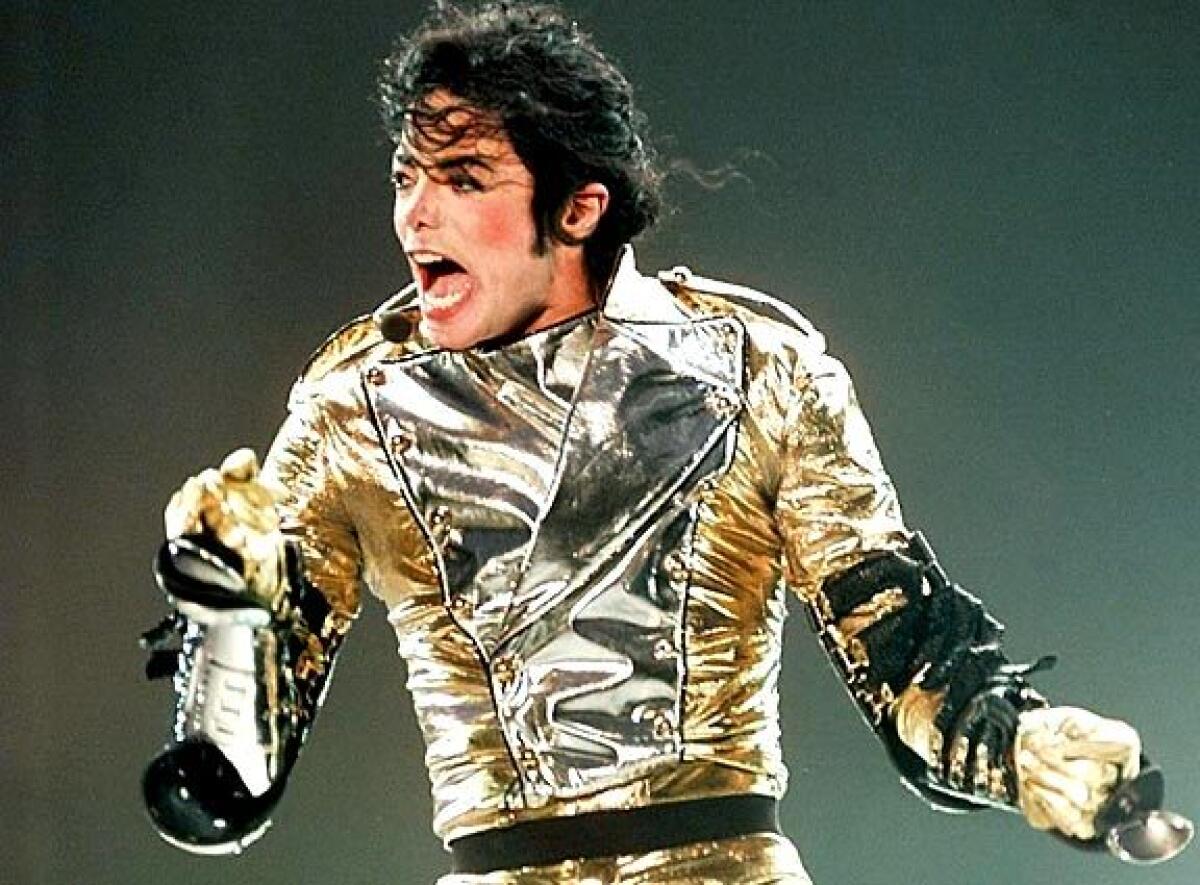
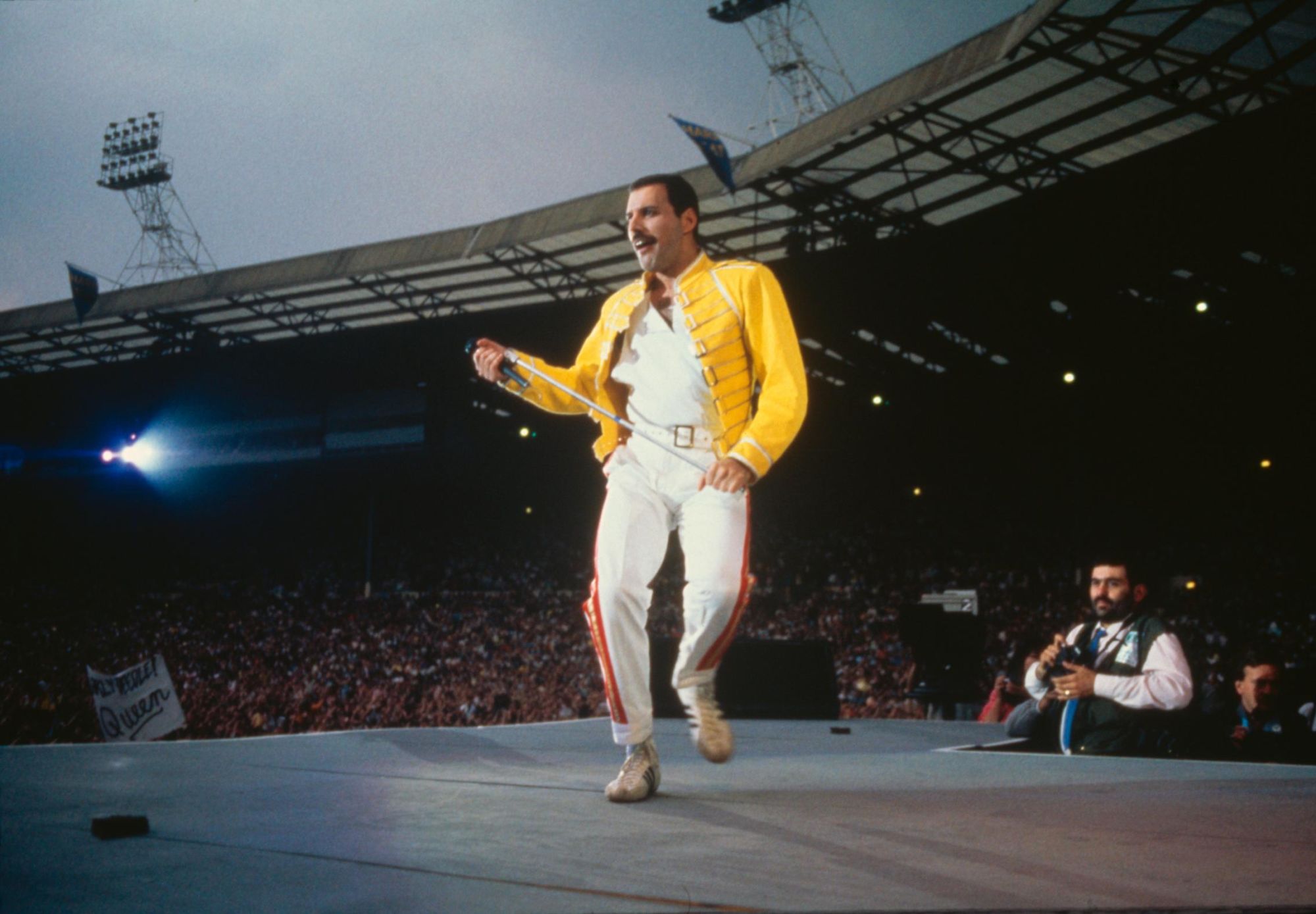
Both films excel in recreating electrifying live performances. Bohemian Rhapsody is remembered for its faithful recreation of the Live Aid set, which drove much of its emotional impact. Similarly, Michael impresses with Jaafar Jackson’s convincing portrayal of his uncle’s dance moves and vocals in sequences featuring hits such as Billie Jean, Beat It, and Thriller. Many cinema-goers have turned screenings into communal dance parties, singing and moving along, much like audiences did with Queen’s anthems years earlier.
The key difference lies in how each film handles complexity. Bohemian Rhapsody touched, albeit lightly, on Mercury’s personal life, sexuality, and health struggles. Michael adopts a more protective approach, focusing on artistic triumphs and family dynamics while avoiding later controversies. This choice has drawn criticism for being overly cautious but appears to have resonated with fans eager for uncontroversial nostalgia.
As for financial prospects, Michael has a much higher bar to clear due to its elevated budget. Bohemian Rhapsody was highly profitable because of its low cost and exceptional legs, maintaining strong attendance for months. Michael has already demonstrated exceptional opening strength and positive audience word-of-mouth, which usually supports solid mid-week holds and repeat business. Analysts note that if the film maintains momentum similar to Bohemian Rhapsody, it could comfortably reach 700 to 800 million dollars worldwide.
Reaching the elusive one billion dollar mark remains an ambitious but plausible target. Several factors support this possibility: the universal appeal of Michael Jackson’s catalogue, strong international performance, the current lack of major blockbuster competition in certain windows, and the film’s ability to function as an event-like experience in theaters. However, challenges include its high production cost, potential front-loading due to fan excitement, and the risk of faster drop-offs typical of biopics. If Michael sustains legs comparable to Bohemian Rhapsody while benefiting from premium formats such as IMAX, crossing one billion dollars is within reach and would make it one of the rare non-franchise films to achieve that milestone in recent years.
Ultimately, both films prove that when it comes to music biopics, audiences often prioritise joy, spectacle, and nostalgia over critical depth. Bohemian Rhapsody set a high standard for commercial success through patience and cultural resonance. Michael has started with even greater force. Whether it sustains that energy long enough to surpass one billion dollars will depend on continued audience enthusiasm in the weeks ahead. For now, the King of Pop’s cinematic journey has already rewritten the record books for the genre.