BREAKING: HE STILL CAN’T REST… AND NOW A NEW CLAIM IS STIRRING OLD QUESTIONS — Tupac Shakur is back at the center of attention…
Tupac Shakur’s stepbrother, Maurice “Mopreme” Shakur, has taken a bold new step in the long-running quest for justice by filing a civil wrongful death lawsuit in Los Angeles County. The complaint accuses Duane Keith “Keffe D” Davis — the only person criminally charged in the case — along with as many as 100 unnamed co-conspirators of orchestrating a calculated plot far more complex than the street-level retaliation narrative previously presented.

Nearly three decades after Tupac was fatally shot in a drive-by on the Las Vegas Strip on September 7, 1996, following a Mike Tyson boxing match, his family continues to push for answers. The 25-year-old icon died six days later, leaving behind a legendary body of work and countless unanswered questions. The new lawsuit, filed on Tuesday, seeks substantial compensatory and punitive damages while arguing that the full truth about the murder has been deliberately concealed for years.

At the centre of the filing is Keffe D, a former Southside Crips member arrested in 2023 and currently awaiting trial in Las Vegas on first-degree murder charges. Prosecutors allege he masterminded the shooting in retaliation for an earlier altercation involving Tupac and Orlando Anderson. While Davis has pleaded not guilty, Mopreme Shakur’s civil suit contends that the conspiracy extended well beyond any single individual or simple gang feud. It names “John Does 1 through 100” as potential additional participants who may have provided financial support, logistical help, or cover-up assistance.
The lawsuit invokes California’s “delayed discovery” rule, asserting that critical evidence was intentionally withheld or only recently surfaced through grand jury testimony, court documents, and investigative documentaries. It specifically references material from Netflix’s series on Sean “Diddy” Combs, which has reignited speculation about possible high-level involvement in the infamous East Coast–West Coast rap rivalry of the 1990s. Although Diddy is not named as a defendant and has always denied any connection, the suit highlights the broader industry climate that may have enabled the killing.

Mopreme Shakur filed the complaint as administrator of the estate of his father, Mutulu Shakur, who passed away in 2023. The legal right transferred through the family estates after the deaths of both Mutulu and Tupac’s mother, Afeni Shakur. The suit seeks compensation for financial losses, emotional suffering, loss of companionship, and punitive damages for what it describes as “willful, malicious, and oppressive” conduct.
This civil action arrives at a pivotal moment. Keffe D’s criminal trial is scheduled for this summer, and renewed public interest — fuelled by documentaries, podcasts, and fresh witness accounts — has kept Tupac’s case in the spotlight. Many view the lawsuit as more than a financial claim; it represents the family’s determination to uncover the complete story behind one of hip-hop’s most tragic and mysterious deaths.
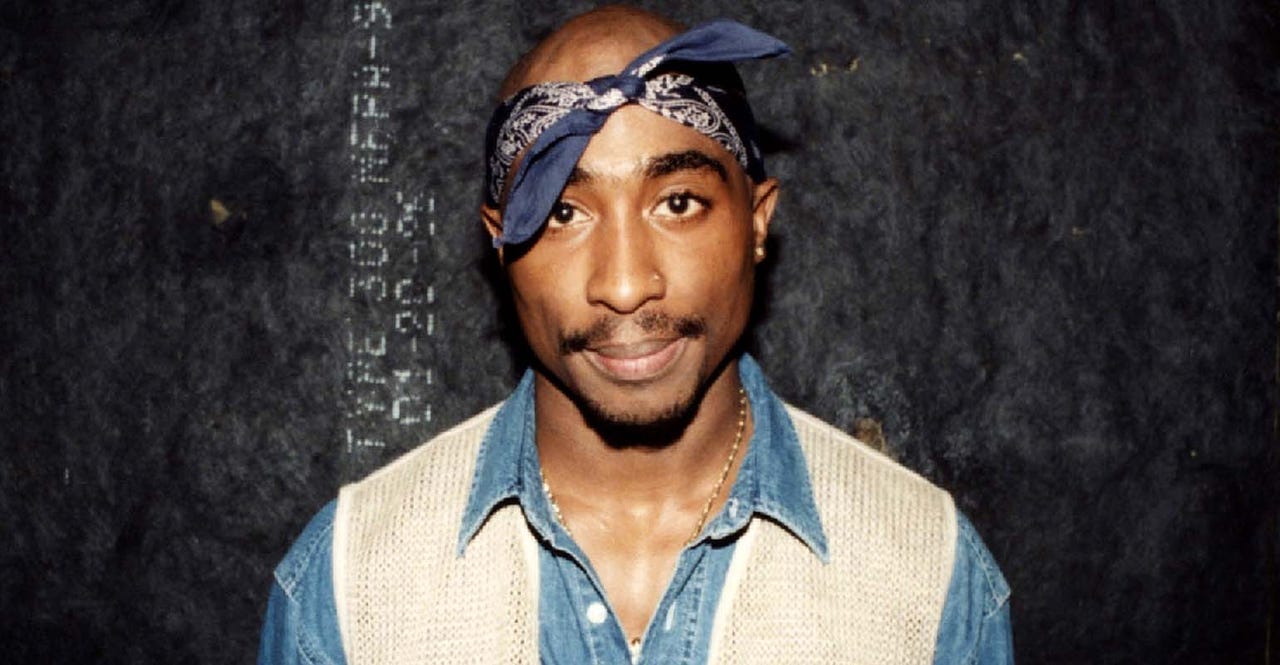
Tupac’s cultural significance remains immense. During his brief career, he became one of the most influential voices in music, blending raw street commentary with social consciousness on landmark albums such as All Eyez on Me. Hits like “California Love,” “Ambitionz Az a Ridah,” and “Dear Mama” continue to resonate with new generations. His murder, coming just months before Notorious B.I.G.’s own killing in 1997, symbolised the destructive peak of the East-West rap feud.
Legal experts note that civil cases operate under a lower standard of proof than criminal proceedings, potentially allowing the Shakur family to force disclosures that criminal investigators could not obtain. However, the significant time lapse since 1996 presents substantial challenges, even with the delayed discovery argument. The suit could still compel testimony and document production that might reveal new names or motives.
For Tupac’s surviving siblings, including Sekyiwa “Set” Shakur, and millions of fans worldwide, the lawsuit revives hope that the full circumstances surrounding his death may finally come to light. The family has long expressed frustration with the original investigation, citing witness intimidation, lost evidence, and possible external interference as reasons for the prolonged lack of resolution.
The filing also reflects a broader trend of high-profile estates and families using civil litigation to seek accountability when criminal justice falls short. Similar strategies have been employed in other celebrity death cases, sometimes yielding breakthroughs or at least public acknowledgment of previously hidden details.
As both the criminal trial against Keffe D and this civil lawsuit advance, renewed scrutiny is expected on the events of that fateful night in Las Vegas. Whether the case ultimately names additional responsible parties or provides a measure of closure for the Shakur family, it ensures that Tupac’s legacy remains intertwined with the unresolved questions that have haunted it for nearly 30 years.
The pursuit of truth continues — not just for justice, but to honour the enduring impact of an artist whose voice still echoes powerfully across generations. The coming months in both courtrooms will be closely watched by fans, legal observers, and the music industry alike.