“A TICKING TIME BOMB?” — NEW WARNING ABOUT THE MONARCHY’S IMAGE IS RAISING EYEBROWS…
For centuries, the British Monarchy has relied on the carefully curated power of the portrait to project stability, continuity, and strength. However, a recently released photograph marking the centenary of the late Queen Elizabeth II’s birth has inadvertently sparked a firestorm of criticism. Rather than projecting a vibrant future, the image has thrown the “Firm’s” ageing demographic into a harsh, uncompromising spotlight, prompting warnings from experts that the monarchy is facing a catastrophic generational disconnect.
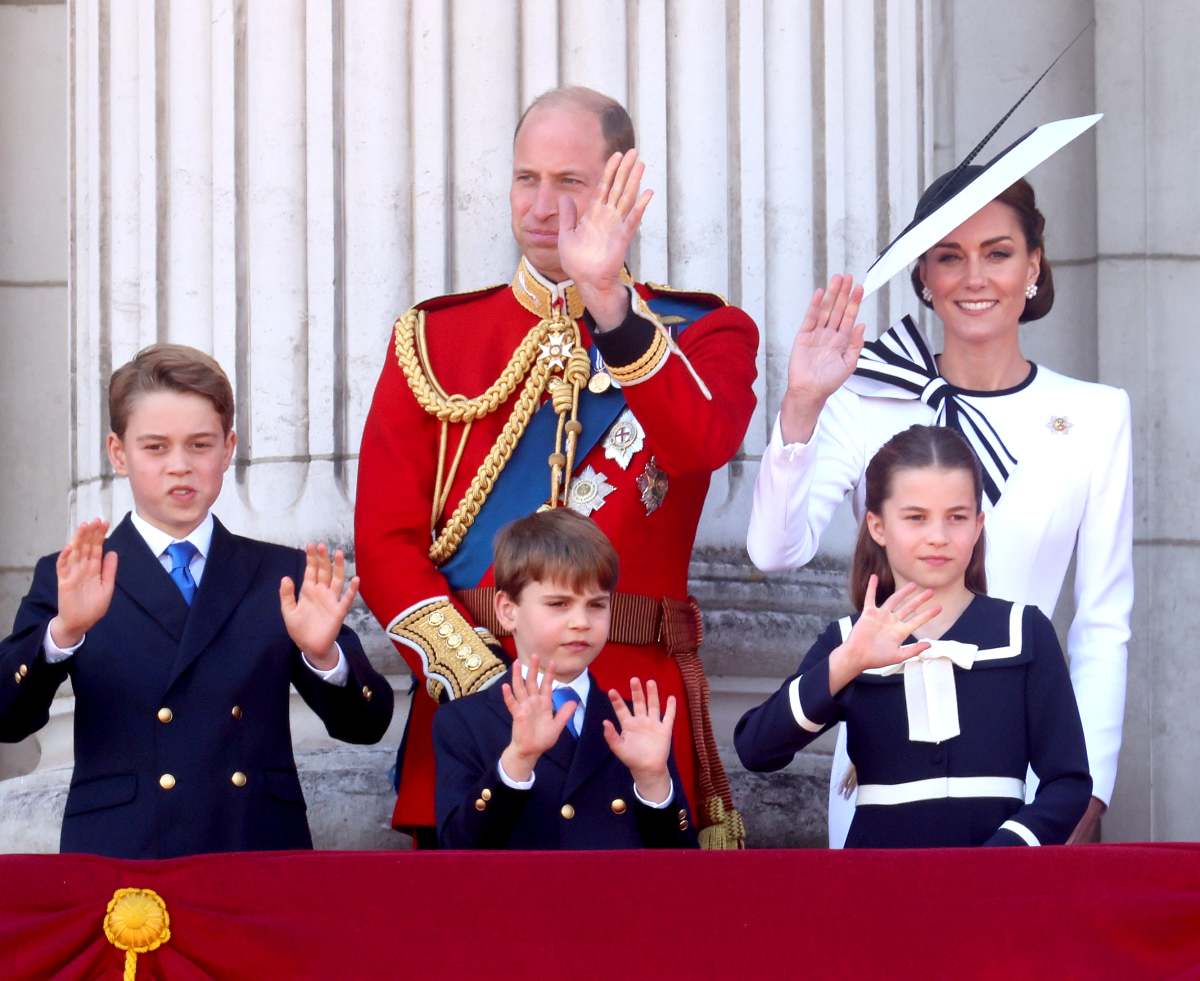
As the Royal Family continues to navigate the fallout from Prince Andrew’s association with Jeffrey Epstein and a growing public demand for financial accountability, royal commentator Jennie Bond suggests that “apathy” among the youth may be the crown’s most dangerous adversary.
The portrait in question features the core of the working Royal Family, but the math behind the image is startling. King Charles III and Queen Camilla are now 77 and 78, respectively. Princess Anne, often cited as the hardest-working royal, is 75. The photograph also includes the Duke of Kent, who celebrated his 90th birthday last October, and Princess Alexandra, who turned 89 on Christmas Day.
Aside from the Prince and Princess of Wales—William and Catherine—the lineup is almost exclusively comprised of individuals well past the standard retirement age. According to Bond, this visual reality is a primary driver of the “image problem” currently plagueing the Palace.
“There’s no getting away from the fact that the image of the working royals today is of a largely elderly group of people,” Bond told The Mirror. “And that does add to a disconnect between the monarchy and the younger generation.”
The current state of the monarchy stands in stark contrast to the early 2010s. During that era, the “Fab Four”—William, Harry, Catherine, and Meghan—provided a youthful, energetic face for the institution. They were, as Bond describes, “pin-up lads” and fashion icons who naturally commanded the attention of Gen Z and Millennials.
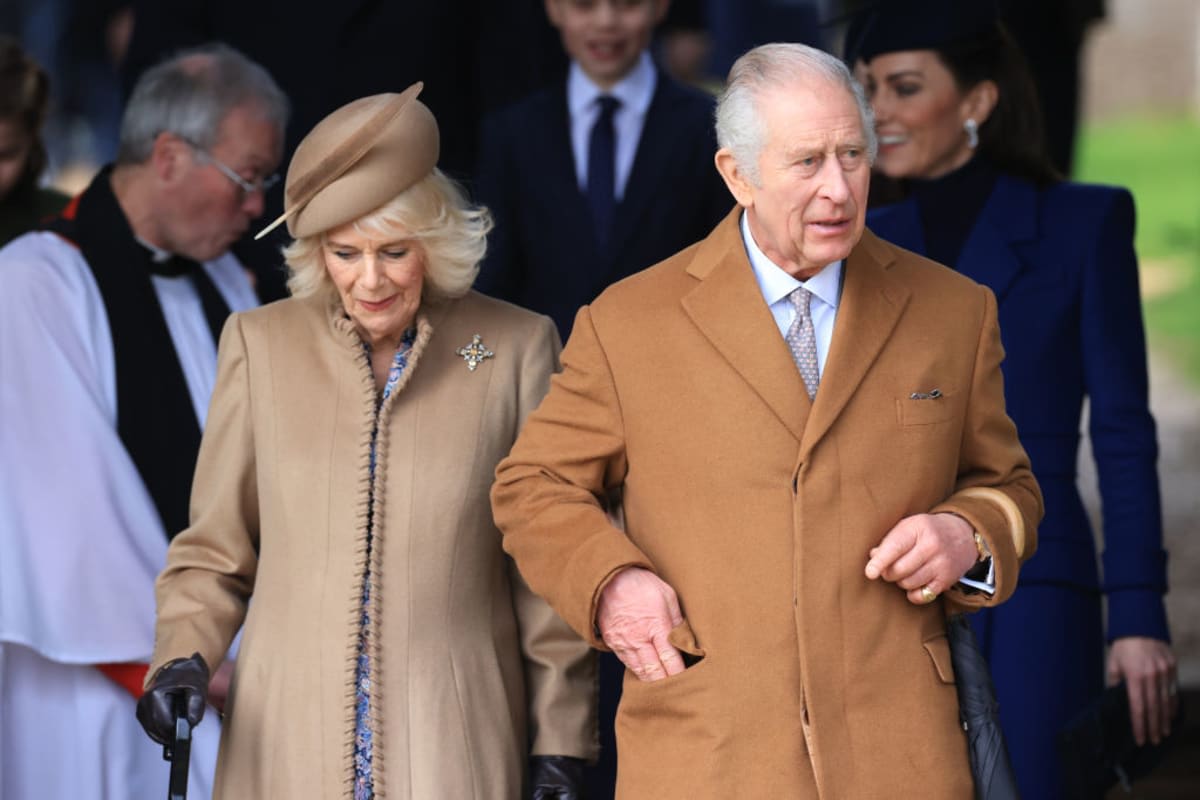
With the Duke and Duchess of Sussex now established in California and the remaining senior royals focused on traditional duties, that spark of youthful engagement has largely extinguished. Bond argues that when young people cannot see themselves or their values reflected in the leadership of the monarchy, they don’t necessarily become republicans; they simply become indifferent.
“I have always thought that apathy, particularly amongst young people, is the biggest danger to the popularity of the monarchy,” Bond noted.
King Charles and Prince William have long championed the idea of a “slimmed-down” monarchy—a smaller, more efficient group of working royals designed to reduce the burden on the taxpayer. While this move is politically savvy in an era of intense financial scrutiny, it has created a logistical nightmare for the Palace’s PR machine.
By limiting the number of “working” members, the Palace has effectively barred the younger generation of royals from the spotlight. Bond suggests that it is “pretty unlikely” that Lady Louise Windsor or James, the Earl of Wessex, will ever take up official duties, even if they had the desire to do so. The pressure to keep costs down means the “Firm” is essentially running on a skeletal crew of pensioners.
Bond believes the Palace missed a vital opportunity with the recent portrait. “In fact, it would have been better to have had all the youngsters, including George, Charlotte, and Louis, in the picture,” she suggested. Including the next generation would have signaled a bridge to the future, rather than a stubborn adherence to the present.
To combat this growing irrelevance, some experts suggest a radical shift in strategy. While the Prince of Wales intends to lead a leaner institution, there is a growing consensus that the Firm should occasionally “borrow” the popularity of non-working members for high-profile events.
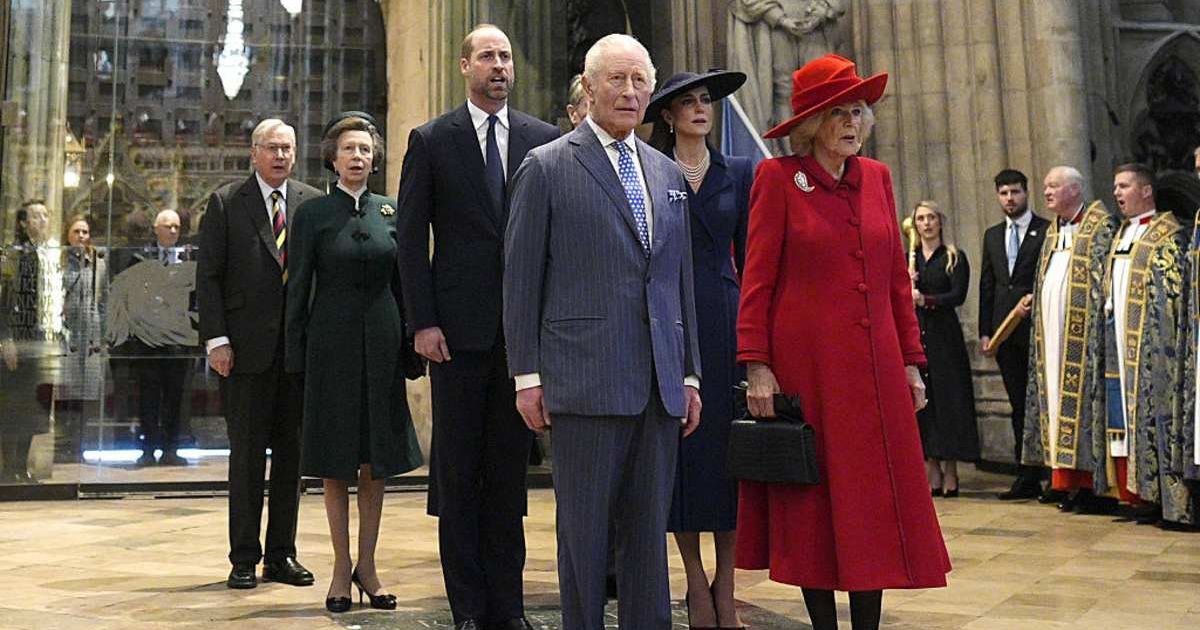
Bringing the younger generation—Prince George, Princess Charlotte, and Prince Louis—into the public consciousness more frequently could serve as a vital lifeline. However, this remains a delicate balancing act for William and Catherine, who are famously protective of their children’s privacy and are determined to give them as “normal” an upbringing as possible.
The British Monarchy is an institution built on the “long game.” It has survived revolutions, world wars, and internal scandals by evolving—albeit slowly. But in the digital age, where “relevance” is measured in seconds and social media engagement, a geriatric image is a liability that no amount of tradition can fully offset.
The recent portrait serves as a stark reminder: while the crown is eternal, the people wearing it are not. If the Palace cannot find a way to make the 70-somethings in the photograph resonate with the 20-somethings in the street, the greatest threat to the throne won’t be a revolution—it will be a shrug of the shoulders.