FCC Chairman Brendan Carr faced intense scrutiny on Wednesday during a Senate hearing, as lawmakers from both parties pressed him over allegations that he improperly threatened ABC and its local affiliates in connection with comments made by late-night host Jimmy Kimmel. At the center of the controversy were Carr’s remarks suggesting broadcasters could face regulatory consequences if they failed to “take action” against Kimmel following the host’s on-air comments about the murder of conservative activist Charlie Kirk. Critics argued that Carr’s actions amounted to government coercion and a serious violation of the First Amendment.
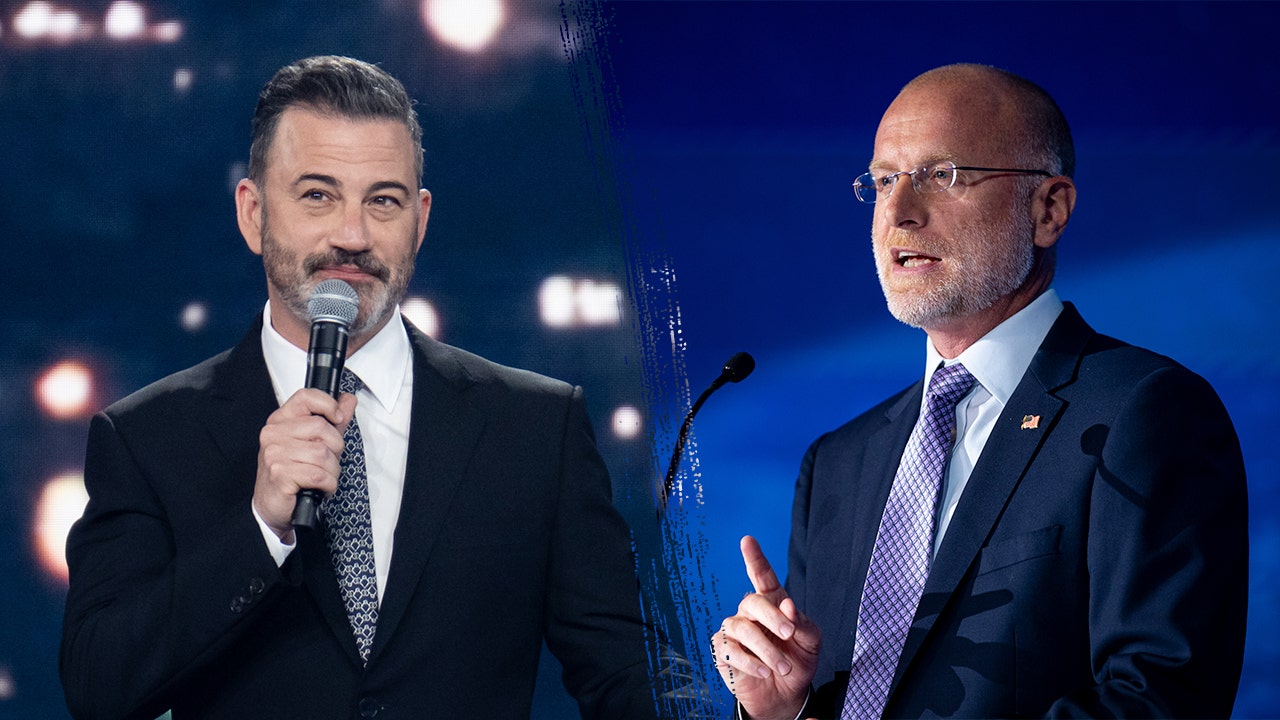
Carr, who was appointed FCC chairman by President Donald Trump, appeared before the Senate Commerce, Science and Transportation Committee for an oversight hearing that quickly became confrontational. Lawmakers questioned whether Carr had abused his authority by pressuring broadcasters to cancel or suspend “Jimmy Kimmel Live!” over political satire and commentary. The accusations stemmed from comments Carr made on a conservative podcast on Sept. 17, when he sharply criticized Kimmel’s remarks suggesting that elements of the MAGA movement were attempting to exploit Kirk’s assassination for political gain.
During that podcast appearance, Carr described Kimmel’s comments as “some of the sickest conduct possible” and warned that ABC and its affiliates would face consequences if they did not act. “We can do this the easy way or the hard way,” Carr said at the time, adding that broadcasters could either change conduct and take action against Kimmel or face “additional work for the FCC ahead.” He further suggested that the agency might pursue allegations of “news distortion” against local ABC stations if they continued airing the program.
At Wednesday’s hearing, Carr attempted to defend himself by framing his comments as an effort to enforce the FCC’s long-standing “public interest standard,” which governs broadcasters’ use of the public airwaves. He argued that his statements were not threats but reminders of broadcasters’ legal obligations. According to Carr, local television licensees have a responsibility to ensure that their programming serves the public interest, a requirement that has existed for decades.
However, several senators strongly rejected that explanation. Senator Ted Cruz of Texas, a Republican who nonetheless emerged as one of Carr’s sharpest critics, accused the FCC chairman of acting like a “mafioso” by intimidating broadcasters. Cruz warned that it is “unbelievably dangerous” for government officials to attempt to silence speech they dislike, regardless of political alignment. While Cruz acknowledged that he personally finds Jimmy Kimmel “angry, overtly partisan, and profoundly unfunny,” he emphasized that such opinions do not justify government intervention.
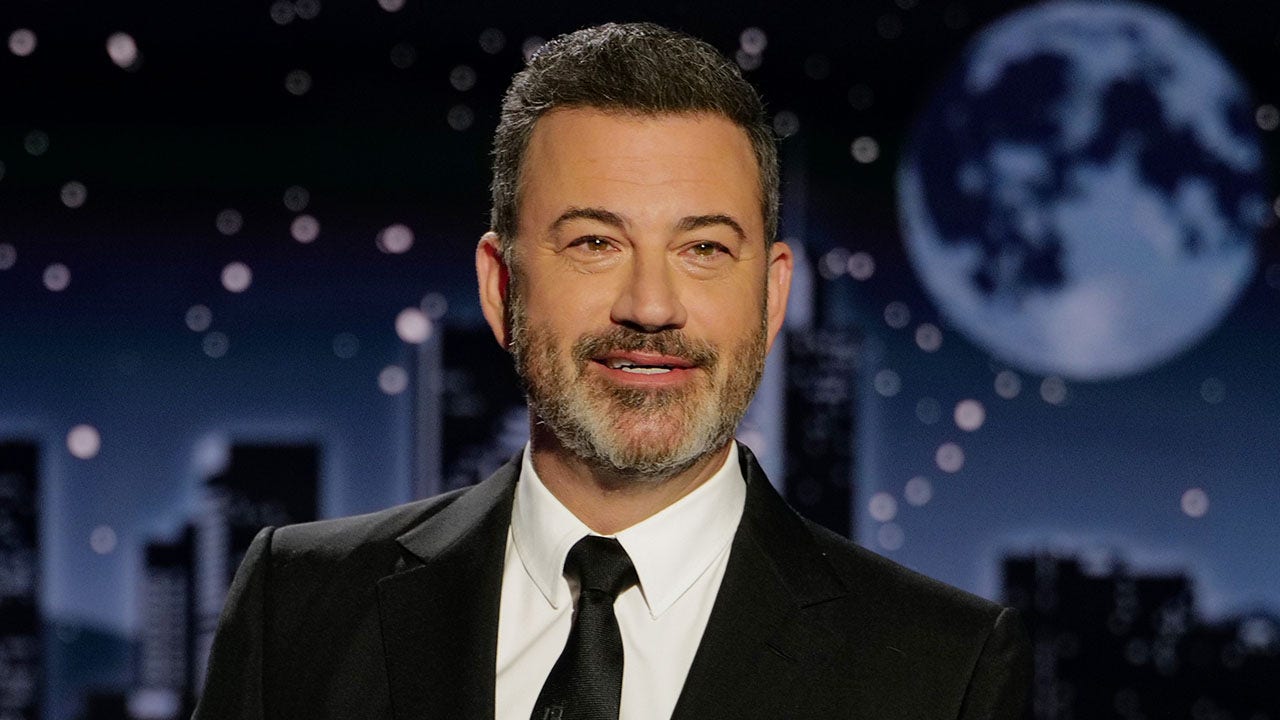
Cruz told Carr that the government cannot force private companies to take actions it is constitutionally barred from taking itself. He argued that threatening regulatory consequences for disfavored content constitutes unconstitutional coercion that chills protected speech. Cruz posed a direct question to Carr, asking whether the public interest standard should be understood to include robust First Amendment protections that prevent the FCC from using it to suppress speech. Carr responded that he agreed with that principle but then pivoted to complaints about what he described as the “weaponization” of the FCC during the Biden administration.
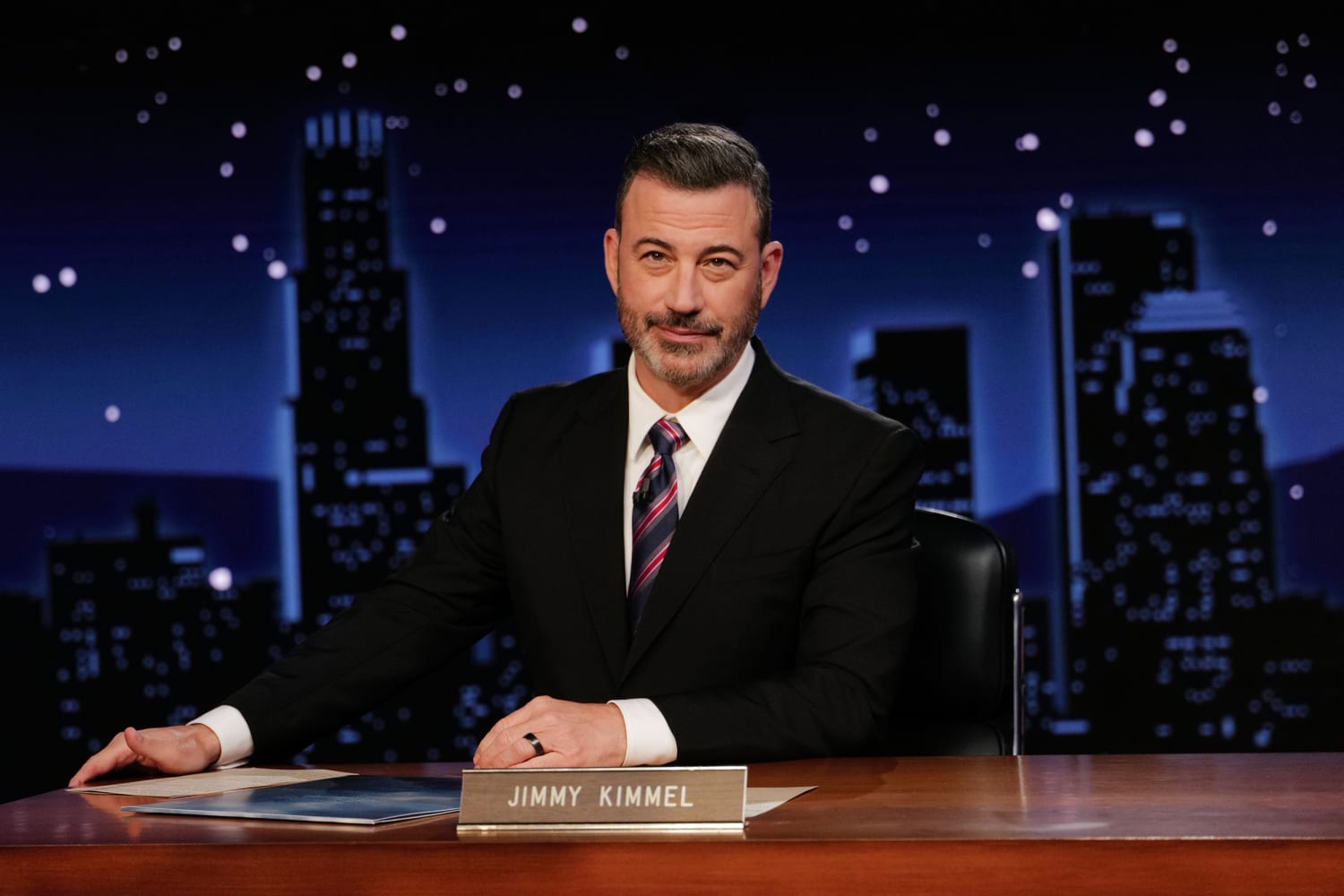
The exchange grew more pointed when Cruz asked Carr whether he bore any responsibility for Kimmel’s temporary suspension. Carr denied any role, insisting that decisions by ABC and its affiliates were independent business choices. “They made these business decisions on their own,” Carr said. “The record is clear on this.” Despite that claim, critics noted the close timing between Carr’s public warnings and subsequent actions taken by broadcasters.
Democratic senators were equally, if not more, critical. Senator Amy Klobuchar of Minnesota asked Carr directly whether it was appropriate for him to use his position to threaten companies that broadcast political satire. Carr again avoided a direct answer, reiterating that any licensee operating on public airwaves must comply with the public interest standard. He stated that local affiliates are obligated to ensure they do not broadcast news or entertainment programming that fails to serve that standard.
That reasoning failed to convince several lawmakers. Senator Ed Markey of Massachusetts accused Carr of twisting the public interest standard into a political weapon. “You are not reinvigorating the public interest standard — you are weaponizing the public interest standard,” Markey said. He went further, declaring that Carr was turning the FCC into a “Federal Censorship Commission.” Markey described Carr’s actions as a betrayal of the FCC’s mission and bluntly called on him to resign.

Adding to the criticism, FCC Commissioner Anna Gomez, the agency’s sole Democratic appointee, testified that under Carr’s leadership, the FCC has attempted to intimidate government critics, pressure media companies, and push against the boundaries of the First Amendment. Her testimony reinforced concerns that Carr’s approach represents a significant shift in how the agency operates and how aggressively it engages with political speech.
The background to the controversy added further weight to lawmakers’ concerns. In September, shortly after Carr’s remarks about doing things “the easy way or the hard way,” major broadcast groups Nexstar Media Group and Sinclair announced that they would preempt “Jimmy Kimmel Live!” on some of their stations. Soon after, ABC suspended Kimmel’s show entirely, though it was brought back on the air on Sept. 23. Carr has consistently maintained that Nexstar and Sinclair independently concluded that Kimmel’s program was not in the public interest. At the hearing, he emphasized that there was never any threat to revoke a broadcast license.
The hearing also produced another moment that alarmed senators and observers alike. Carr asserted that the FCC “is not an independent agency,” a statement that directly contradicted decades of established understanding about the commission’s role. When Senator Ben Ray Lujan of New Mexico asked Carr to answer yes or no to whether the FCC is an independent agency, Carr initially hedged before eventually responding that, “formally speaking, the FCC isn’t independent.”
Lujan pointed out that the FCC’s own website described the agency as independent and asked Carr whether that meant the website was lying. Carr replied, “Possibly.” Within minutes of that exchange, the FCC quietly edited its website, removing the word “independent” from its mission statement. Previously, the site described the FCC as “an independent U.S. government agency overseen by Congress.” After the edit, the description read simply “a U.S. government agency overseen by Congress.”
In response to questions about the change, an FCC spokesperson issued a statement saying that the agency’s website and materials required updating following the change in administration earlier this year. According to the spokesperson, the revisions were part of an ongoing effort to ensure that the FCC’s public-facing materials reflect the positions of its new leadership.
Taken together, the hearing painted a picture of an FCC leadership under fire for what many lawmakers view as an unprecedented and dangerous approach to regulating speech. While Carr maintains that he is merely enforcing existing standards, critics from both parties warned that his actions risk eroding First Amendment protections and transforming the FCC into a political tool. As the controversy continues to unfold, the confrontation over Jimmy Kimmel and the public interest standard has become a flashpoint in a much broader debate about free expression, government power, and the future independence of the nation’s communications regulator.