In the aftermath of Netflix’s high-profile “The Roast of Kevin Hart,” comedian Kevin Hart has publicly apologized to the family of George Floyd after a joke told by fellow comedian Tony Hinchcliffe sparked widespread outrage. The incident, which occurred during the May 2026 special, has reignited sensitive conversations about the boundaries of dark humor, celebrity responsibility, and respect for victims of police brutality. Hart’s apology comes amid strong criticism from Floyd’s loved ones, who described the remarks as hurtful and culturally damaging.

During the roast, Tony Hinchcliffe delivered a line that many found deeply inappropriate: “The Black community is so proud of you… right now George Floyd is looking up at us all laughing so hard he can’t breathe.” The joke referenced Floyd’s final words, “I can’t breathe,” which became a rallying cry for the global Black Lives Matter movement following his death in 2020. Hinchcliffe has a history of similar controversial material, including a previous roast joke comparing Rob Gronkowski to a character in a fictional “George Floyd video game.”

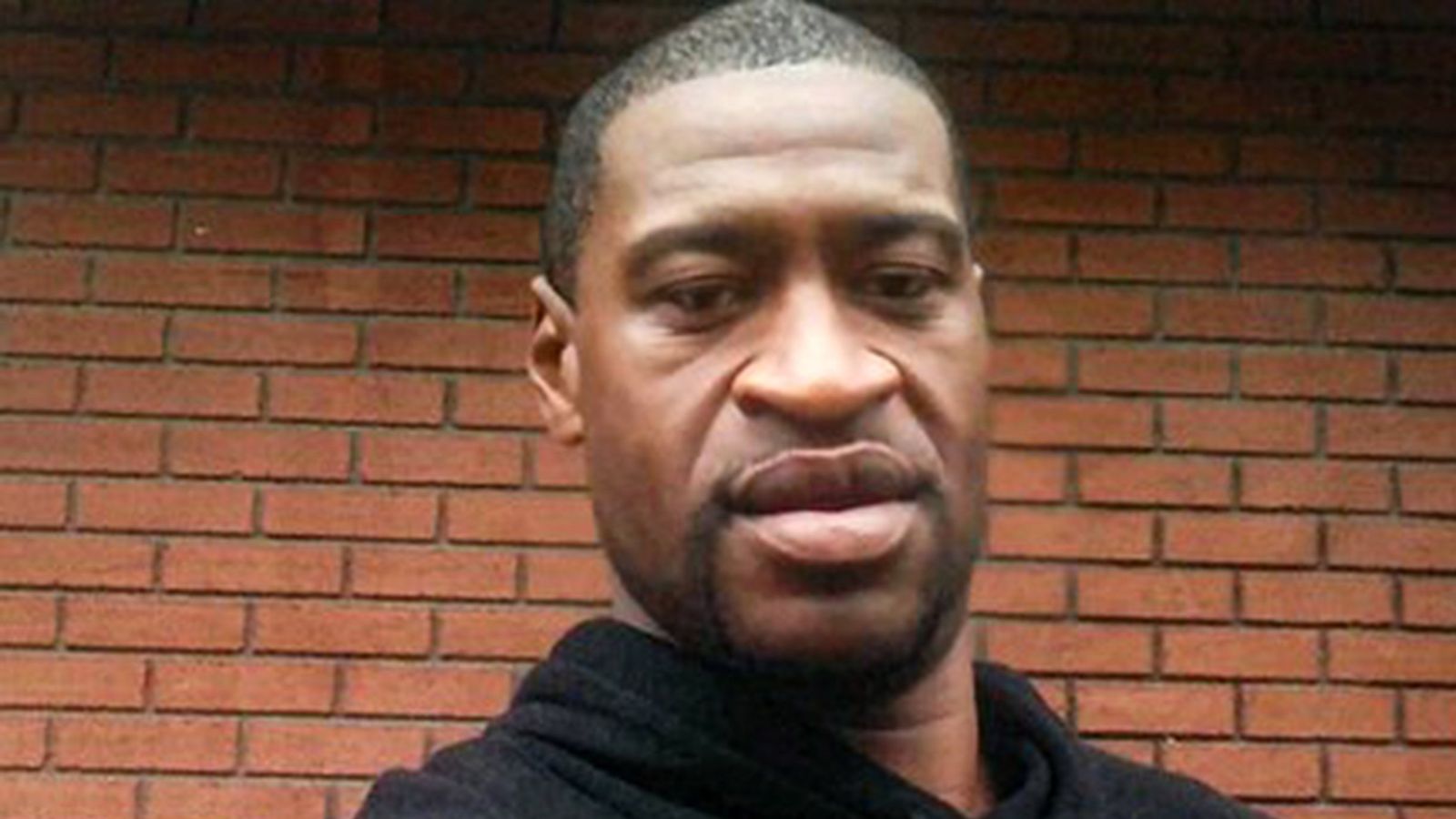
A spokesman for The Gianna and George Floyd Foundation, Travis Cains, expressed the family’s dismay directly to TMZ. He called Hart’s decision to allow the joke “sad for the culture” and questioned why the host did not intervene. The family highlighted the ongoing pain Floyd’s death continues to cause, particularly for his young daughter Gianna, now 12 years old, who has reportedly faced bullying at school. They emphasized their efforts to rebuild their community positively rather than revisit trauma through comedy.
In response to the backlash, Kevin Hart addressed the controversy on his Instagram, issuing a direct apology. In a heartfelt video statement, the comedian acknowledged the family’s hurt and took responsibility for the platform he provided. “I want to sincerely apologize to the Floyd family and anyone who was deeply offended by the joke,” Hart said. “Roasts are meant to be edgy and hard-hitting, but I understand that some lines should never be crossed, especially when it involves real pain and loss. George Floyd’s death was a tragedy that affected millions, and his family deserves respect, not to have his memory used for punchlines.”
Hart continued by reflecting on his own growth and the evolving standards of comedy in a more socially conscious era. He noted that while roasts have traditionally pushed boundaries, comedians and hosts must exercise greater sensitivity toward topics involving racial injustice and personal tragedy. “I’ve always believed comedy can heal, but it can also reopen wounds,” he added. “I take full accountability for not setting clearer boundaries during the show. My intention was never to cause additional pain to a family that has already endured so much.”
The apology has received mixed reactions. Some supporters praised Hart for addressing the issue promptly and showing maturity, especially given his history of navigating public controversies, including past backlash over old tweets that nearly cost him an Oscar hosting gig. Others, however, felt the statement was insufficient or came too late, arguing that Hart should have shut down the joke in real time. Members of the Black comedy community, including voices like Loni Love, expressed broader exhaustion with white comedians repeatedly using Floyd’s death as material.
The incident highlights deeper tensions within modern comedy. Netflix roasts have built reputations on shock value and celebrity humiliation, but in the years since George Floyd’s murder, audiences and activists have grown less tolerant of jokes that trivialize systemic racism or personal suffering. Hinchcliffe’s repeated references to Floyd have led some to label him a “racist comedian,” further polarizing opinions. The Floyd family’s foundation stressed their desire for positive community work rather than continued mockery.
Hart’s apology also touches on his personal connection to the Black community. As one of Hollywood’s most successful Black comedians, he has often spoken about representation and responsibility. In previous interviews, he has discussed the delicate balance between staying true to edgy comedy roots and evolving with cultural shifts. This latest controversy tests that balance once again, especially as he continues expanding his entertainment empire through production deals and stand-up tours.
For George Floyd’s family, the pain remains ongoing. His daughter Gianna, who was only six when her father was killed, continues to grow up under the shadow of both his legacy and public discourse surrounding his death. The family has focused on education, activism, and the Gianna and George Floyd Foundation’s initiatives to support communities affected by injustice. Their statement urged greater positivity and respect, asking public figures to consider the human impact behind headlines and punchlines.
As the conversation continues online and in media circles, Hart’s public apology may help mitigate some damage, though trust within certain communities could take time to rebuild. The episode serves as a reminder that comedy, while powerful, carries real consequences. In an age of instant virality and heightened social awareness, even established stars like Hart must navigate the fine line between provocation and insensitivity.
Ultimately, Kevin Hart’s response demonstrates an attempt at accountability. Whether this moment leads to broader industry reflection on roast culture remains to be seen. For now, the focus returns to the Floyd family’s call for healing and dignity — a plea that transcends any single comedy special or celebrity apology. In extending his regrets, Hart has acknowledged what many already knew: some wounds run too deep for laughter, and some names should be spoken with reverence rather than used for shock value.
News
I WATCHED ONE EPISODE… AND SUDDENLY IT WAS 2 A.M.
Mark your calendars: Nicole Kidman’s hit espionage thriller Lioness returns for an unmissable third season this August. Created by Yellowstone’s Taylor Sheridan, the thrilling series follows an elite unit of female operatives tackling high-stakes undercover missions. © Ryan Green/Paramount+. Zoe Saldaña as Joe…
‘ONE DECISION COULD DESTROY EVERYTHING…’
‘COMPELLING’ PSYCHOLOGICAL THRILLER HAS VIEWERS COMPLETELY GRIPPED WITHIN MINUTES… Jo Joyner and Diane Kruger Star in Six-Part Drama Where an A&E Doctor Faces a Heartbreaking Moral Dilemma That Could Destroy a Friendship and Change Lives Forever!A gripping six-part psychological…
VIEWERS SAY THIS TRUE CRIME DOCUMENTARY LEFT THEM COMPLETELY SHATTERED…
WHEN A MUST-WATCH TRUE CRIME DOC SHAKES VIEWERS TO THE CORE… ‘MUST WATCH’ CRIME FILM PERFECT FOR Maternal Instinct FANS NOW STREAMING ON NETFLIX — Praised as One of the Most Shocking and Unsettling Documentaries in Years! Viewers say it…
THIS BRITISH THRILLER SAW THE FUTURE BEFORE ANYONE ELSE…
‘Long Before Today’s Dystopian Hits, This Film Predicted a World on the Brink’ — Michael Caine’s Chilling Masterpiece Is Now Streaming on BBC iPlaye In a career spanning more than seven decades, two Academy Awards, and some of the…
‘EVERYONE IS TALKING ABOUT THIS WEEK’S TV LINEUP…’
MUST-WATCH TV THIS WEEK IS ABSOLUTE CHAOS… From Channel 4’s Gripping Thriller to Netflix’s Harlan Coben Drama, These Shows Are Taking Over Screens and Leaving Viewers Hooked in Minutes!! This week’s TV lineup is packed with must-see entertainment, from…
“KATE MIDDLETON RETURNED TO THE VERY ROYAL EVENT THAT ONCE CHANGED HER FUTURE WITH PRINCE WILLIAM — BUT ONE HIDDEN DETAIL MADE THE MOMENT EVEN MORE EMOTIONAL…”
“18 YEARS LATER, SHE RETURNED TO THE PLACE WHERE EVERYTHING CHANGED.” Kate Middleton’s Garter Day Appearance Carried a Meaning Many Royal Fans Immediately Recognized For most people watching Garter Day at Windsor Castle, the focus was on the pageantry. The…
End of content
No more pages to load