“THE CARDS ARE STACKED…?” — NEW ROYAL CLAIMS ARE FUELING FRESH SPECULATION…
Six years have passed since the Duke and Duchess of Sussex famously stepped back from their roles as senior royals, yet the chasm between the House of Windsor and the Montecito exiles remains as wide as ever. As the United Kingdom prepares to host the 2027 Invictus Games in Birmingham, a new battlefield has emerged: The guest list.
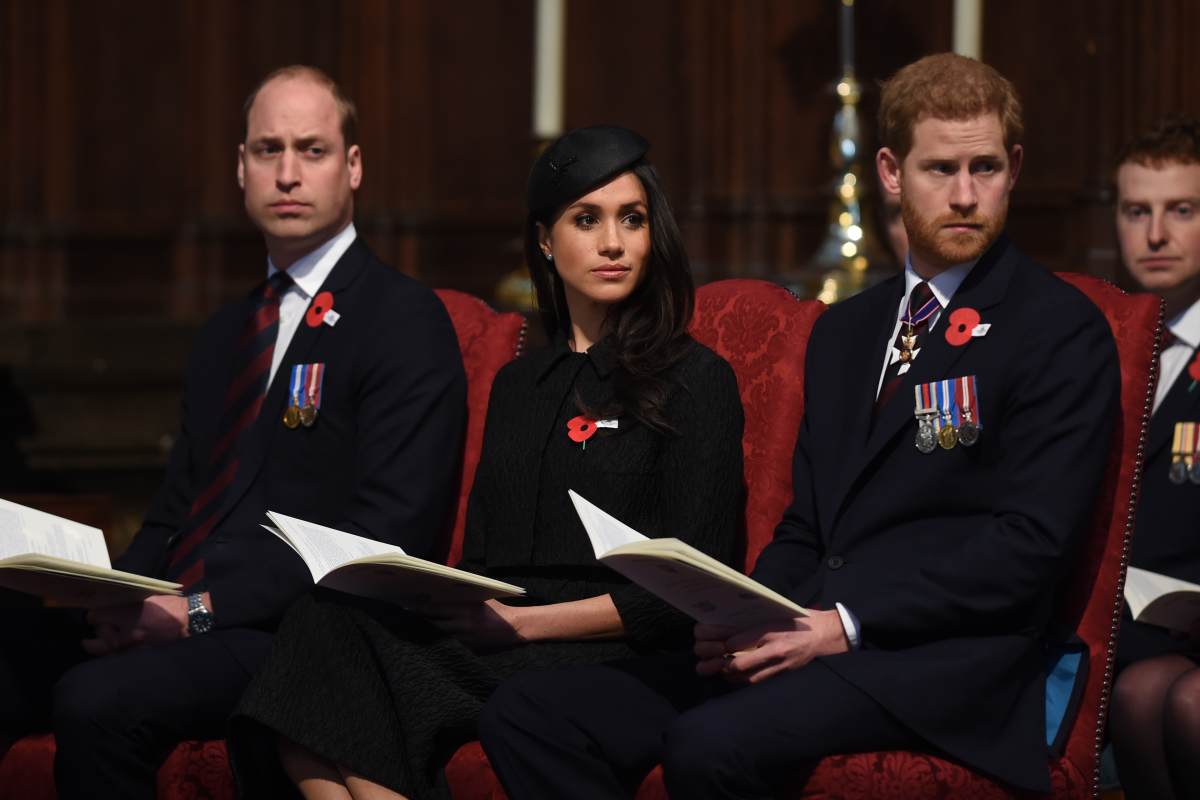
While Prince Harry reportedly views the upcoming games as a “trump card” to bridge the gap with his father, royal experts suggest that Prince William is prepared to play a much tougher hand. According to veteran royal biographer Tom Bower, the Prince of Wales is now “calling the shots” on major monarchical decisions—and his priority is protecting the Firm’s image at all costs, even if it means blocking a father-son reunion.
The Invictus Games, a globally acclaimed sporting event for wounded, injured, and sick servicemen and veterans, is widely regarded as Prince Harry’s greatest professional achievement. Returning the games to British soil in 2027 is a significant milestone for the Duke of Sussex. Naturally, Harry’s “dream” scenario involves King Charles III sitting in the audience, or perhaps even sharing the stage, providing a powerful visual of royal unity and legitimacy.
However, speaking on Daily Expresso, a podcast by The Daily Express, Tom Bower cast doubt on the possibility of a royal appearance. When asked by host JJ Anisiobi if the King might “pop in for five minutes” to shake his son’s hand, Bower was blunt.
“Not least because of what we’ve discussed, but also because I think William will forbid it,” Bower claimed.
The reasoning is rooted in a shift of power within the palace. As King Charles manages his ongoing health challenges, Prince William has reportedly taken a more assertive role in the day-to-day management of the monarchy’s long-term strategy. For William, the calculation is simple: any interaction with the Sussexes is a magnet for controversy that overshadows the monarchy’s work.
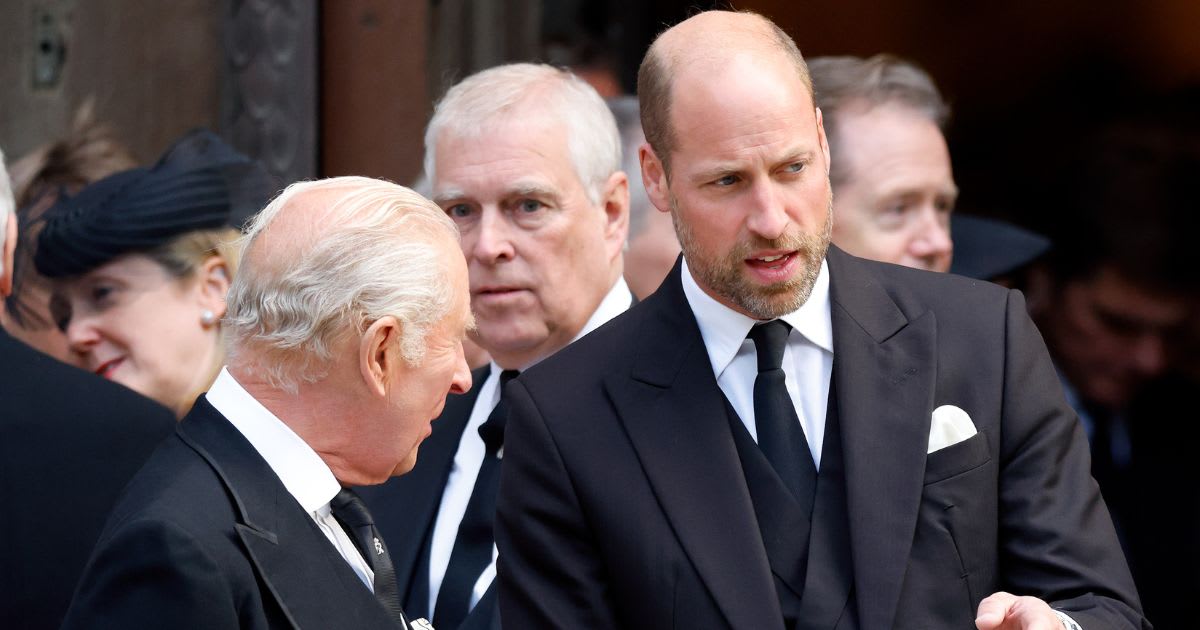
To understand William’s alleged stance, one must look at his broader goals for the future of the Crown. Bower argues that the Prince of Wales is hyper-focused on a “smooth transition” and modernizing the institution.
“He [William] wants to change the monarchy… He needs to appeal to young people and all the other things,” Bower explained. “He doesn’t want to be involved in more controversy, especially to benefit Harry and Meghan.”
From William’s perspective, a photo-op of the King and Prince Harry at the Invictus Games would inevitably shift the media narrative away from the veteran competitors and onto the “royal soap opera.” In the eyes of the Wales camp, Harry and Meghan have spent years airing grievances via documentaries and memoirs; providing them with a platform of royal legitimacy now would be counterproductive to the “keep calm and carry on” image William is meticulously cultivating.
Not all experts agree that William will be able to stop the King. Richard Fitzwilliams, another prominent royal commentator, described the invitation to open the Birmingham games as Harry’s “trump card.”
Fitzwilliams points out that Invictus is not a commercial venture, but a highly regarded charity that aligns perfectly with the King’s role as the head of the Armed Forces. “The Windsors have a strong sense of duty,” Fitzwilliams told the Daily Express. “Therefore, one would expect him [Charles], whatever feelings he has about the difficulties that the Sussexes have wrought, to accept.”
Therein lies the tension: the clash between the King’s inherent sense of paternal and constitutional duty and the heir’s pragmatic, protective approach to the institution’s future.

Reports from The Daily Beast suggest that while the King is considering responding to the invitation, the prospect has “unsettled” those on the King’s side and deeply irritated Prince William. Many royal watchers view Harry’s public invitation as a calculated move to “force” the King’s hand—a tactic that reportedly does not sit well with the Prince of Wales.
By framing the attendance as a matter of “legitimacy,” the Sussexes have turned a charitable event into a high-stakes diplomatic standoff. If the King attends, he risks alienating his heir and reigniting the media frenzy. If he stays away, he risks looking cold and indifferent to a cause that supports British veterans.
As 2027 approaches, the Birmingham Invictus Games will likely serve as a litmus test for the new power dynamic within the Palace. For now, the message from the Prince of Wales seems clear: the “smooth transition” of the monarchy will not be derailed by the drama of the past. In the game of royal chess, William is playing for the long term, and that may mean keeping his brother at arm’s length—even if his father wants to reach out.