Why Princess Anne Chose Gatcombe Park Over a Palace: The Practical, Private World of the Princess Royal
Princess Anne, the only daughter of Queen Elizabeth II, has long been known as one of the hardest-working members of the British royal family—quietly completing more than 11,000 official engagements between 2002 and 2022 alone. Yet, while many royals reside in grand palaces like Buckingham or Windsor, Anne has chosen a very different life: the unpretentious, working estate of Gatcombe Park in Gloucestershire.
This 700-acre Georgian country house, surrounded by rolling fields, stables, and woodland, has been her primary home since 1977—and it perfectly reflects her no-nonsense, practical personality.
A Thoughtful Wedding Gift from Queen Elizabeth II
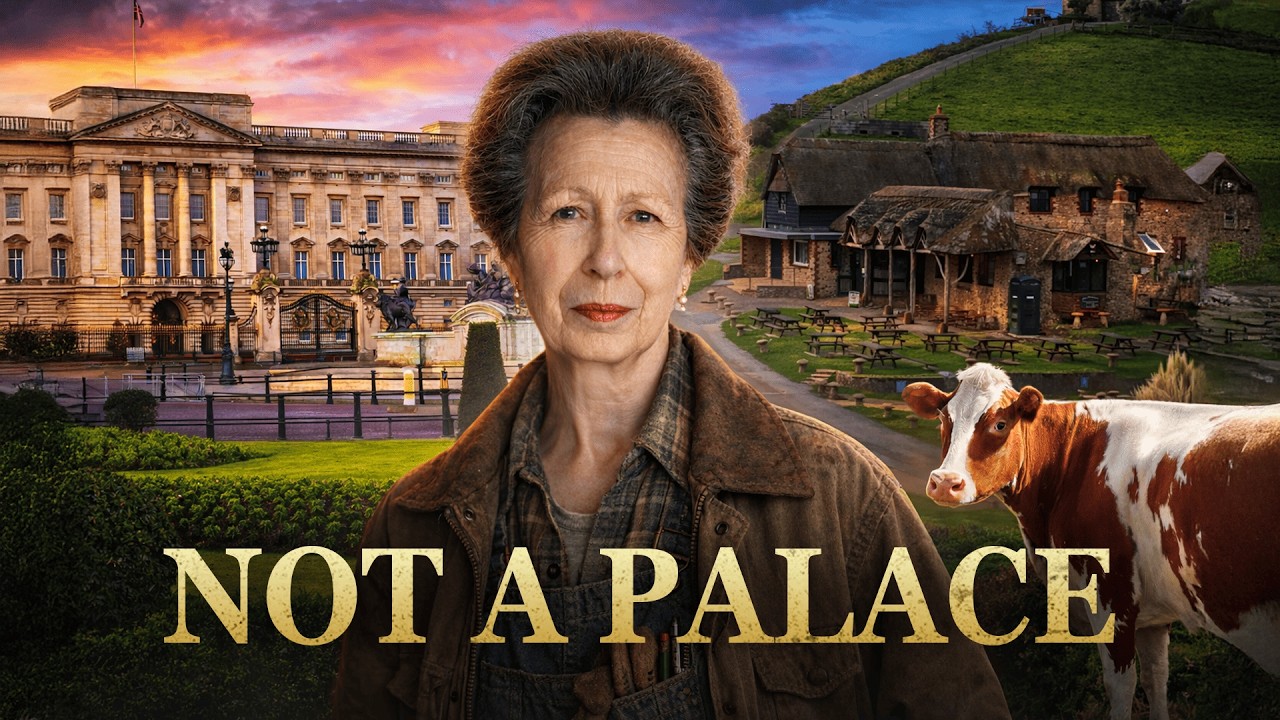
Gatcombe Park dates back to the late 1700s, originally built as a grand country residence for a wealthy cloth merchant and later remodeled for economist David Ricardo. In the 1970s, when Princess Anne and her first husband, Captain Mark Phillips, were searching for a marital home, they viewed countless properties before settling on Gatcombe.
The estate needed significant renovation—new wiring, plumbing, roof repairs—but offered vast potential: outbuildings, additional houses, woodland, and space for their shared passion for equestrian sports. In 1976, Queen Elizabeth II purchased the property (then around 700–730 acres) as a wedding gift for her daughter and son-in-law, reportedly at a cost equivalent to about £9 million in today’s money. The Crown also funded extensive updates, including stables, an airstrip for quick helicopter access to London, and later an additional 230 acres from neighboring Aston Farm.
By late 1977, Anne and Mark moved in. The goal was clear: a peaceful, working retreat far from public scrutiny, where they could raise a family, breed horses, and manage a farm while remaining close enough to London for royal duties.
Here are serene views of Gatcombe Park’s timeless Georgian façade, rolling grounds, and equestrian heart—capturing why it feels like a true rural escape:
A Working Farm, Not a Showpiece Palace
Unlike the formal grandeur of Buckingham Palace or Kensington, Gatcombe is deliberately practical and lived-in. The main five-bedroom house features four reception rooms, a library, billiard room, and a large west-facing conservatory overlooking the sloping lawn. The decor is traditional yet cozy—wood-paneled rooms, antique furnishings, family photos, and plenty of space for dogs and muddy boots.
Princess Anne famously prioritizes function over fuss. She has never borrowed pieces from the Royal Collection, choosing instead a relaxed country-house style where horses and animals take precedence. Glimpses shared over the years show a modest living room with a normal television, cluttered shelves, and dog beds on the floor—far removed from palace opulence.
Today, the estate remains a true working farm: livestock (sheep, pigs, chickens, cattle), horse breeding, agricultural operations, and a renowned stud. Anne has always insisted that Gatcombe must be financially self-sustaining—if it doesn’t pay its own way, she cannot live there.
The Heart of Equestrian Life & Family Legacy
Gatcombe is world-famous for hosting the Gatcombe Horse Trials, an annual August event that draws up to 40,000 spectators and top international riders. Mark Phillips designed the original cross-country course, and Anne has long been involved in planning and organization. Her daughter, Zara Tindall (an Olympic silver medalist), grew up galloping across these fields and still describes the track as a thrilling “roller coaster.”
The estate has evolved into a multigenerational family hub. Anne and her second husband, Vice Admiral Sir Timothy Laurence, live in the main house. Zara, her husband Mike, and their three children reside at nearby Aston Farm—a spacious seven-bedroom converted farmhouse on the same land. Queen Elizabeth II deliberately offered no titles to Anne’s children, allowing Zara and Peter Phillips to grow up freely, with normal jobs and private lives, surrounded by countryside and animals.
Here are heartwarming family moments from Gatcombe—showing generations of royals riding, competing, and simply enjoying rural life:
Why a Farmhouse Over a Palace?
Princess Anne’s choice boils down to her core values: practicality, privacy, hard work, and a deep love of the countryside. Gatcombe offers:
Privacy — A quiet retreat away from media glare, with an airstrip for discreet travel.
Purpose — A working estate that supports itself through farming, breeding, and events.
Family & Freedom — Space for children and grandchildren to grow up naturally, riding ponies, cooking, and playing without palace protocol.
Equestrian Passion — The perfect base for her lifelong dedication to horses.
Even after a serious head injury in June 2024 (when she was struck by a horse on the estate), Anne recovered with characteristic resilience—returning to Southmead Hospital in 2025 to thank staff and joking that forgetting the incident meant she didn’t remember “the bad bits.” She continues her relentless schedule, seeing every day as a bonus.
Gatcombe Park is more than a home—it’s a deliberate rejection of the “golden cage” in favor of a grounded, authentic life. For Princess Anne, the most revealing royal residence isn’t a palace with marble halls. It’s a farmhouse with muddy boots by the back door, horses in the fields, and family just down the lane.
A true reflection of one of the most down-to-earth royals Britain has ever known. 🐴🏡