In one of the most entertaining anecdotes from music history, Prince once revealed why he declined an invitation to appear in Michael Jackson’s iconic 1987 music video for “Bad.” The Purple One’s candid and humorous explanation has resurfaced in viral clips, delighting fans with its glimpse into the creative differences and playful tension between two of the greatest entertainers of all time. Far from any bitter rivalry, the story showcases Prince’s sharp wit, uncompromising artistic vision, and quick sense of humour when faced with a project that simply did not align with his personal boundaries.
![Michael Jackson: Bad [MV] (1987) | MUBI](https://assets.mubicdn.net/images/film/25649/image-w1280.jpg?1745489833)
The context dates back to the production of Jackson’s “Bad” album and its accompanying short film, directed by Martin Scorsese. The video featured a narrative centred on a young man returning to his old neighbourhood, confronting gang culture, and ultimately standing up for what is right. Actor Wesley Snipes portrayed a tough antagonist in the story, delivering memorable lines alongside Jackson. According to Prince, that role was originally offered to him. In the interview clip, he confirms with a laugh, “You know that Wesley Snipes character? That would have been me.”
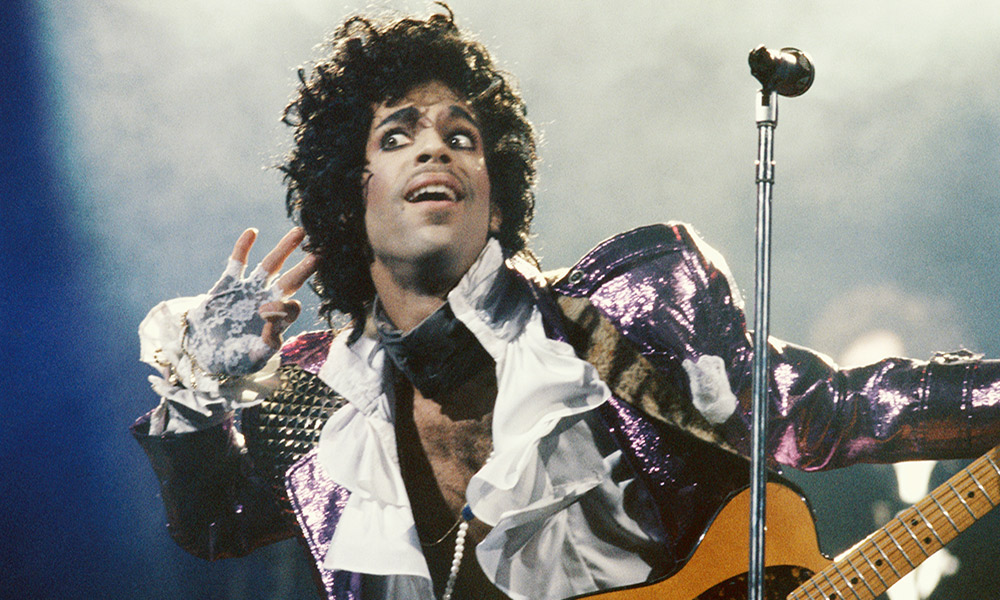
However, the collaboration never materialised due to one specific lyric that Prince found unacceptable. The opening line of the song — and a repeated motif throughout — is “Your butt is mine.” Prince recounted his immediate reaction with perfect comedic timing: “I said, who gonna sing that to? Who?” He then elaborated on the awkward dynamic it would create between himself and Jackson. “Cause you showing singing it to me and I’m showing singing it to you. So right there we got a problem.”
This straightforward refusal highlights Prince’s distinctive approach to his craft. Known for his meticulous control over every aspect of his image and music, Prince rarely compromised on elements he felt were inconsistent with his persona. The explicit, confrontational tone of the lyric clashed with his preference for more elegant, sensual, or spiritually infused expressions of emotion and power. While Jackson embraced a bolder, street-inspired narrative for “Bad” to evolve his image from the more youthful “Thriller” era, Prince saw the line as crossing into uncomfortable territory, especially in a duet-like performance context.

The story gains extra charm from Prince’s delivery. His deadpan humour and slight chuckle as he explains the dilemma turn what could have been a simple “no” into memorable entertainment. Listeners can almost picture the scene: two music titans discussing a potential partnership, only for one perfectly timed lyric to derail the entire project. Prince’s response underscores that even at the height of their fame, both artists maintained strong personal boundaries and creative autonomy.
This anecdote also dispels long-standing rumours of intense rivalry between Prince and Jackson. Tabloids and fans often speculated about jealousy or competition between the two superstars, particularly during the 1980s when both dominated charts and cultural conversations. Prince’s light-hearted retelling, however, reveals a more nuanced relationship. There was mutual respect, occasional collaboration offers, and enough distance to allow each to pursue their unique visions without forced alliances. Jackson eventually completed the video with Snipes, who delivered a compelling performance that helped make “Bad” another massive commercial success.
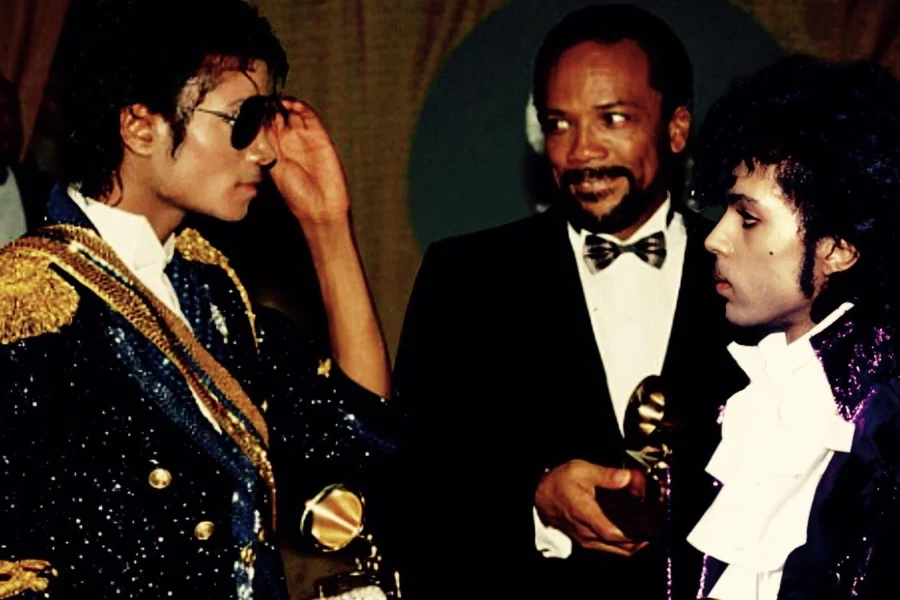
Beyond the humour, the story reflects deeper themes in Prince’s career. Throughout his life, he championed independence, frequently battling record labels for ownership of his masters and creative freedom. Turning down a high-profile opportunity with Jackson — at a time when such a crossover could have generated enormous publicity — demonstrates his willingness to prioritise authenticity over commercial gain. Prince’s catalogue is filled with bold experiments, genre-blending innovations, and deeply personal statements. A lyric that felt inauthentic or awkward simply had no place in his world.
For Michael Jackson, “Bad” represented an important evolution. The album and video pushed his sound toward harder edges while maintaining his signature pop brilliance. The title track became a global hit, with its choreography and visual storytelling influencing generations of performers. Jackson’s willingness to explore tougher imagery showed his growth as an artist willing to take risks. The fact that he approached Prince for the project speaks to the respect he held for the Minneapolis icon’s talent and stage presence.
Fans continue to debate how a Prince-Jackson collaboration might have looked. Would Prince have brought his legendary guitar work, intricate dance moves, or flamboyant fashion to the video? Could their combined star power have created something even more legendary than the final product? While we can only speculate, the actual outcome preserved each artist’s individual legacy. Prince remained true to himself, and Jackson delivered one of his most memorable visual works.
The resurfacing of this clip reminds audiences why both men remain cultural touchstones decades later. Their music transcended trends, and their personal stories — filled with genius, eccentricity, and humanity — continue to fascinate. Prince’s refusal was never about disrespecting Jackson; it was about staying authentic in an industry that often pressures artists to conform. His humorous explanation transforms a simple “no thanks” into a timeless piece of entertainment history.
In the end, this light-hearted tale captures the essence of two icons navigating fame on their own terms. Prince’s witty breakdown of the problematic lyric not only entertains but also illustrates the importance of creative integrity. Even when offered a chance to share the spotlight with the King of Pop, the Purple One chose the path that felt right for him. That decision, delivered with a smile and razor-sharp reasoning, remains one of the most delightful “what if” stories in modern music lore.
News
THIS NETFLIX PERIOD DRAMA ISN’T JUST BEAUTIFUL… IT’S HEARTBREAKING
Set after the scars of war, this haunting Netflix film doesn’t shout — it devastates quietly. Olivia Colman and Colin Firth deliver performances so restrained, every unspoken look feels heavier than words. It’s about love that survived war but not…
ONE UNLIKELY FRIENDSHIP CHANGED MILLIONS OF LIVES…
Meta Description: Netflix’s Remarkably Bright Creatures, starring Sally Field and featuring Alfred Molina as Marcellus the octopus, is winning hearts with its emotional story of grief, healing, friendship, and second chances. SEO Keywords: Remarkably Bright Creatures Netflix, Sally Field Remarkably Bright Creatures, Marcellus…
NOBODY EXPECTED THIS MOVIE TO OPEN THIS BIG…
While Steven Spielberg’s extraterrestrial drama invades the world, 24-year-old Curry Barker’s low-budget horror “Obsession” achieves a rare domestic feat. Emily Blunt in ‘Disclosure Day’.Credit: Niko Tavernise/Universal Pictures and Amblin Entertainment Take me to your leader! Steven Spielberg swept the box office this weekend with Disclosure…
‘A RARE ENDING NOBODY SAW COMING…’ Farmer Wants a Wife Season 4 wrapped with an unusually happy outcome — all three farmers left the show having found love.
“‘A RARE FARMING FINALE…’ Farmer Wants a Wife Season 4 Ends in Unexpected Clean Sweep — All Three Farmers Find Love as New Post-Filming Updates Reveal Where the Couples Stand Now”!Season 4 of Farmer Wants a Wife has ended…
SOME VIEWERS ARE ASKING A BOLD QUESTION: IS THIS EVEN BETTER THAN BRIDGERTON?
BETTER THAN BRIDGERTON? VIEWERS SAY THIS NETFLIX MASTERPIECE MAKES EVEN THE CROWN LOOK ORDINARY!” Stunning Period Drama Is Being Called a Must-Watch Masterpiece as Fans Around the World Become Completely Obsessed! Praised for its breathtaking visuals, powerful performances, and…
HER LAST POST WAS FILLED WITH EXCITEMENT… NOW IT’S BREAKING HEARTS AROUND THE WORLD.
A bungee jumper shared an ominous last post before she horrifically plummeted 130 feet to her death in Brazil. Maria Eduarda Rodrigues de Freitas, 21, jokingly wrote “Who was the crazy person who let me jump off a bridge???” on…
End of content
No more pages to load