CBS News Erupts After Bari Weiss Pulls a Ready-to-Air “60 Minutes” Investigation—and Scott Pelley challenges her leadership inside the newsroom
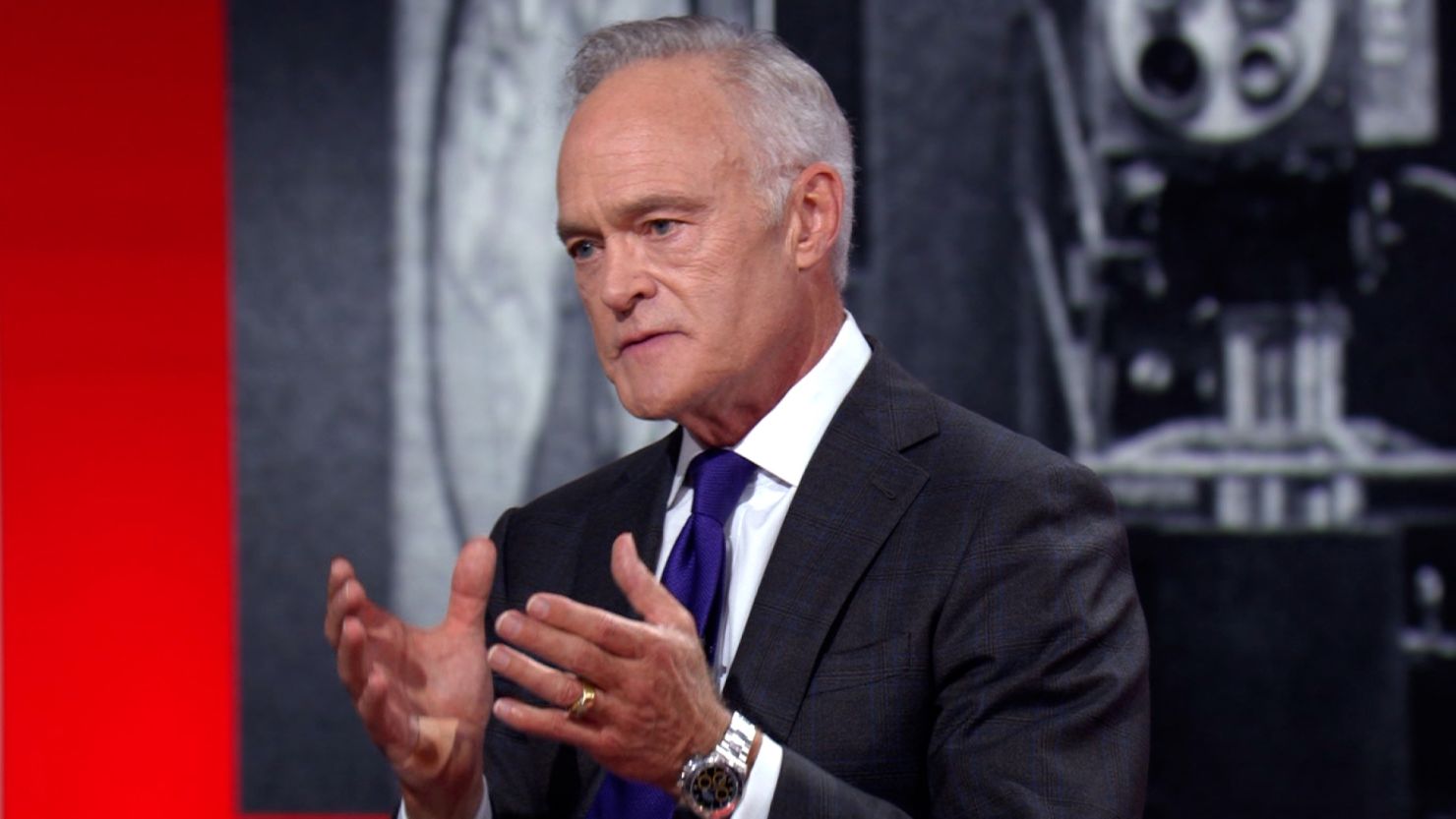
CBS News didn’t intend to make its internal tensions public. But in the space of a single weekend, a decision to abruptly shelve a completed 60 Minutes investigation—one that had already been promoted, cleared, and scheduled—set off a chain reaction that has now spilled into the open: staff outrage, a blistering internal memo from the story’s correspondent, a rare on-the-record defense from the network’s new editorial chief Bari Weiss, and a pointed, highly unusual rebuke from veteran anchor Scott Pelley directed at Weiss during a staff meeting. What began as a programming change has become a referendum inside CBS on power, process, and whether the network’s most prestigious broadcast unit is being asked to meet a new political standard.
The flashpoint was a 60 Minutes segment titled “Inside CECOT,” focused on Venezuelan men deported under President Donald Trump’s immigration crackdown to El Salvador’s notorious CECOT mega-prison (the Terrorism Confinement Center). The piece was slated to air on the December 21 broadcast. It had been advertised, internally vetted, and—according to multiple accounts—had passed the usual editorial and legal checks. Then, just hours before airtime, CBS pulled it. The network said the piece would air later after additional reporting and context.
Inside CBS, the timing was the insult on top of the injury. The decision wasn’t framed as a routine rewrite or a request for one more interview; it looked—especially to 60 Minutes staff—like a late-stage veto from above, and it set off an immediate wave of anger that hardened into something more serious: fear that editorial decision-making was being moved upstream to leadership that had not participated in the process until the final hour.
The strongest internal pushback came from 60 Minutes correspondent Sharyn Alfonsi, who reported the segment. In an internal email that was soon reported widely, Alfonsi argued the choice was not an editorial call but a political one—because it effectively allowed the government’s refusal to cooperate to determine whether a critical story could run. In her view, the segment met the show’s standards and had already cleared the network’s internal hurdles. Pulling it at the last moment, she warned, risked turning “no comment” into a kill switch for accountability journalism.
The dispute wasn’t only about whether the segment needed more reporting. It was about the precedent embedded in the rationale. Multiple reports say Weiss wanted additional context around the Trump administration’s legal justification for the deportations and—crucially—an on-the-record interview with a senior Trump official, with some accounts describing a desire for a high-level figure central to the policy. The newsroom counterargument was blunt: 60 Minutes cannot allow powerful subjects to delay or block scrutiny simply by refusing to appear, and the standard practice is to report the refusal and proceed.
As the internal dispute escalated, the public learned more details—not because CBS chose transparency, but because the shelved segment briefly appeared online anyway. Canadian broadcaster Global, through an apparent distribution or platform error, made an unaired version available on its app, and the report began circulating. CBS moved to remove unauthorized versions, but the leak intensified the internal blowback: the piece that supposedly needed more context was now being watched and debated outside the network, while CBS itself looked like it had flinched.
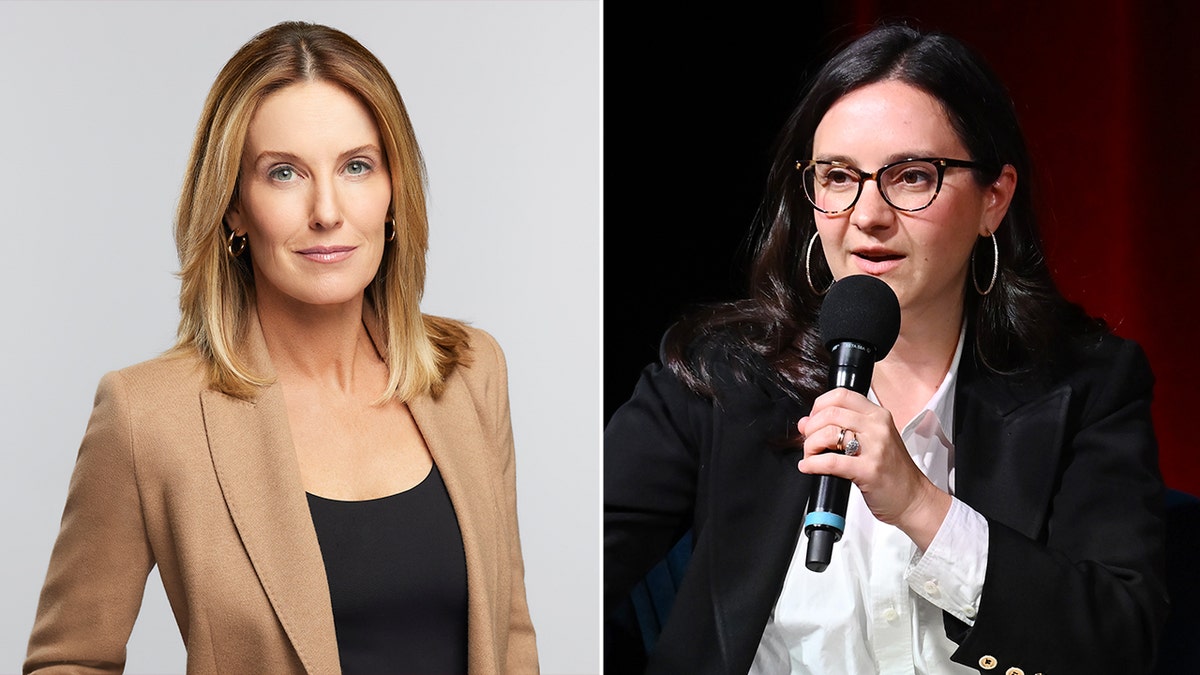
The leak had a secondary effect: it made the story cancellation feel less like “we need to keep working” and more like “we don’t want to own this right now.” And once that interpretation spreads in a newsroom, it doesn’t stay confined to the staff Slack channels. It becomes a credibility problem—especially for 60 Minutes, a broadcast whose brand is built on the idea that it resists pressure, not negotiates with it.
That’s when the dispute migrated from private frustration to visible newsroom confrontation. According to reporting on internal CBS editorial calls and meetings, Weiss addressed staff and pushed back hard against the idea that the decision was political, insisting the story “wasn’t ready” and describing her intervention as an exercise of editorial responsibility. PBS reported that Weiss was angered by Alfonsi’s memo and that a transcript captured Weiss defending the decision and disputing the framing that the administration’s refusal to participate should not slow the piece.
Then came the moment that put a recognizable name and face on the internal rebellion: Scott Pelley.
Pelley is not a fringe voice within CBS News. He is one of the institution’s most prominent journalists, an anchor closely associated with the network’s legacy of hard reporting and internal standards. And according to multiple reports, Pelley criticized Weiss directly during a newsroom meeting—specifically questioning why she waited until the last moment to weigh in and why, by some accounts, she had not attended earlier screenings of the segment before intervening. That critique cut to the core of the newsroom’s frustration: the sense that leadership exercised override power without participating in the normal editorial process until it was too late for anything but cancellation.

In other words, Pelley wasn’t just disputing a call. He was challenging a management style.
The reporting described his criticism as a rebuke of Weiss’ process—an implicit warning that credibility inside the newsroom depends on how power is used, not merely that it exists. It also echoed a longer-running anxiety at CBS News about corporate or leadership interference with flagship journalism—an anxiety that has flared in other recent controversies across the industry, where networks are accused of softening coverage to avoid political backlash, legal exposure, or business fallout.
The network’s leadership responded in a way that suggested they understood the stakes. Weiss circulated a memo defending her decision and emphasizing standards like fairness, completeness, and trust—casting the delay as an insistence on more reporting, not an act of suppression. The Guardian reported Weiss arguing the story needed broader context and that the refusal of Trump officials to comment mattered enough to justify holding the segment—an argument critics say effectively grants the subjects of scrutiny a powerful lever over timing and publication.
But even in the best-case reading, the central newsroom wound remained open: why now? If the segment truly lacked essential context, why was it promoted and scheduled? If it truly needed a senior administration interview, why wasn’t that requirement imposed earlier—before the final hours? Those questions are less about ideology than about competence and trust, and they are the kind that can destabilize a newsroom because they imply something worse than bias: disarray.

Complicating matters is the broader context of upheaval around CBS News leadership, with Weiss’ appointment itself drawing intense attention. Reports describe her move into the editor-in-chief role as controversial inside the organization, particularly among staff who view her as an outsider to broadcast news culture and worry the network is being steered toward a posture of risk-avoidance in the face of political attacks. That atmosphere matters because it primes journalists to interpret a single shelving decision as a signal of a larger shift.
And then there’s the most emotionally corrosive part: the 60 Minutes team believed the story had cleared the process. Executive producer Tanya Simon, in accounts reported by major outlets, described having to comply with Weiss’ late intervention even after the segment had been prepared to air—language that reads less like collaboration and more like command. In a newsroom built on pride and autonomy, that distinction is everything.
Publicly, CBS has tried to keep the story contained: the segment was postponed; it will air later; additional reporting is being done. But inside CBS, the situation is already bigger than whether “Inside CECOT” runs next month or next quarter. The fight is now about governance—about whether 60 Minutes is still allowed to operate like 60 Minutes, or whether it will be treated like any other unit whose work can be halted at the last second due to leadership discomfort, political risk calculations, or a new standard for “context” that only applies when powerful people refuse to answer questions.

In that sense, Scott Pelley’s criticism matters not because it was theatrical—reports describe it as pointed, not performative—but because of what it signals: that a core constituency of CBS News’ most established figures is willing to confront leadership over process and independence. A newsroom can survive disagreements over a single segment; what it struggles to survive is the belief that the rules have changed without anyone admitting it.
For now, CBS News is left with a paradox that everyone can see: an investigative segment was deemed strong enough to promote but too incomplete to air; strong enough to withstand legal and editorial checks but too risky to run without a senior on-camera official who refused; “not ready” in the final hours, yet compelling enough that once it leaked, it became the center of national media conversation anyway.
