In a moment that continues to define one of the most controversial figures in music history, R. Kelly once declared that the parents of his alleged victims were “no more innocent than he is.” During a heated 2019 interview with CBS This Morning’s Gayle King, the disgraced R&B singer pointed the finger at the families of two young women living with him, accusing them of handing over their daughters in exchange for financial gain. “What kind of father and what kind of mother would sell their daughter to a man?” Kelly demanded, adding, “How come it was okay for me to see them until they stopped getting money from it?” These explosive remarks, made amid mounting sexual abuse allegations, shocked viewers and intensified public scrutiny.
The interview, aired in March 2019, marked Kelly’s first public defense after being charged with 10 counts of aggravated criminal sexual abuse involving four alleged victims, three of whom were minors. At the time, Kelly, then 52, was living with 21-year-old Azriel Clary and 23-year-old Joycelyn Savage, whose parents claimed he had brainwashed and held their daughters against their will as part of an alleged “sex cult.” Kelly vehemently denied the accusations, turning the narrative upside down by blaming the parents for introducing him to the women and allegedly exploiting his fame for money.
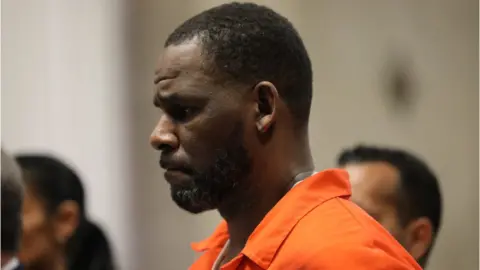
Kelly’s comments centered on how he met Clary and Savage. He claimed their parents brought the aspiring singers to his concerts, hoping to launch their music careers through his mentorship. “What kind of father, what kind of mother, will sell their daughter to a man?” he repeated emphatically. He alleged that the relationships were fine until financial support dried up, implying extortion attempts. “How come it was okay for them to see me until they weren’t getting no money from me?” Kelly said, suggesting the families’ complaints emerged only after payments ceased.
The parents swiftly fired back. Through attorney Michael Avenatti, who represented Clary’s family, Alice and Angelo Clary issued a statement: “We have never received a penny from R. Kelly. We have never asked R. Kelly for money. And we never ‘sold’ our daughter to him or anyone else. R. Kelly is a desperate liar and serial abuser of young girls who should die in prison. All of these victims and their parents cannot be lying.” The Savage family echoed similar denials, insisting they never sought or received money and had only hoped Kelly would guide their daughter’s singing ambitions.
Gayle King, praised for her composure amid Kelly’s outbursts—he stood up, pounded his fists, and shouted denials like “This is not me! I’m fighting for my f—ing life!”—pressed him on the specifics. When asked if he was saying the parents “handed their daughters” over, Kelly replied, “Absolutely.” The interview grew increasingly volatile, with Kelly crying and raging against what he called lies perpetuated by social media and accusers seeking fame or revenge.
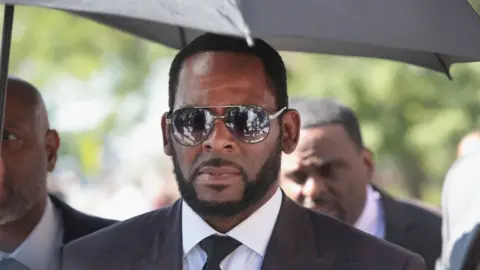
This confrontation came on the heels of Lifetime’s explosive docuseries *Surviving R. Kelly*, which featured testimonies from multiple women alleging years of sexual, physical, and emotional abuse, often starting when they were underage. The series highlighted patterns of grooming, control, and isolation, with parents describing desperate attempts to rescue their daughters. Kelly’s CBS appearance was seen by many as a desperate attempt to counter the narrative, but it backfired, amplifying calls for accountability.
Kelly’s history of allegations dates back decades. He married singer Aaliyah in 1994 when she was 15 and he was 27, annulling the union months later amid scandal. A 2002 child pornography charge—stemming from a video allegedly showing him with a minor—ended in acquittal in 2008. But the *Surviving R. Kelly* series reignited investigations, leading to his 2019 arrest.
The blame-shifting to parents drew widespread condemnation. Critics argued it exemplified victim-blaming and deflection, common tactics in abuse cases. Legal experts noted that even if parents initially trusted Kelly due to his celebrity status, it didn’t absolve him of responsibility for alleged exploitation. “This is classic manipulation,” one commentator said at the time. “Turning the spotlight on families to distract from his actions.”
In separate segments, Clary and Savage defended Kelly on CBS, insisting they were with him willingly and accusing their parents of lying for money. Clary tearfully said, “You guys are believing some f—ing facade that our parents are saying. This is all lies for money.” However, years later, Clary recanted, returning home in 2020 and testifying against Kelly in his 2021 federal trial, where she detailed abuse starting at age 17.
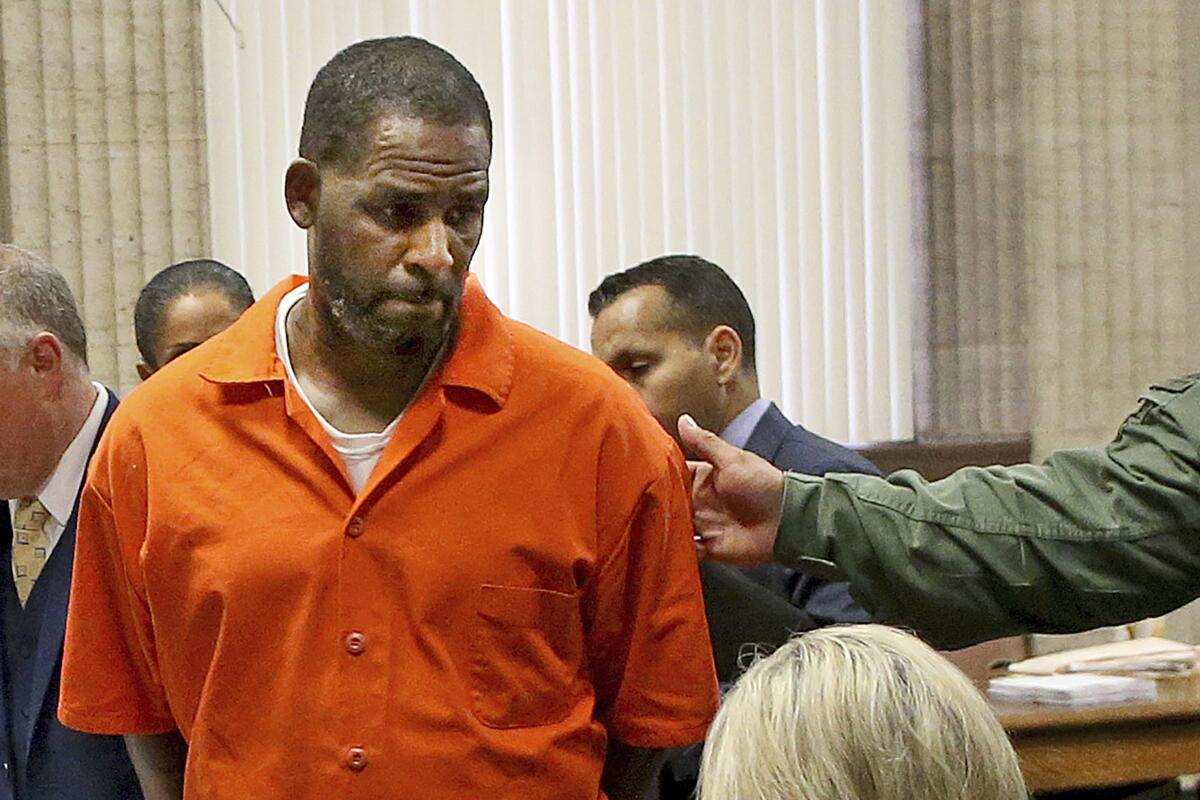
Kelly’s trials culminated in severe consequences. In 2021, a New York jury convicted him on racketeering and sex trafficking charges, portraying his entourage as an enterprise enabling abuse. In 2022, he received a 30-year sentence in that case, followed by 20 years in a Chicago federal case for child pornography and enticement. Appeals have been denied, including by the Supreme Court in 2025, leaving him incarcerated with no release before the 2040s at earliest.
Why does this 2019 interview still resonate? In an era of #MeToo and heightened awareness of predatory behavior in entertainment, Kelly’s words exemplify denial and deflection. His attempt to equate parental naivety or ambition with his alleged crimes outraged survivors’ advocates. As one parent said in response, “This is not about money. It is about truth and justice.”
The saga underscores broader issues: the power imbalance in mentor-protégé relationships, the vulnerability of aspiring young artists (especially Black women), and how fame can shield abusers for years. While Kelly proclaimed his innocence and victimhood in that interview, courts ultimately held him accountable based on overwhelming evidence from dozens of witnesses.
Today, as of December 2025, Kelly remains in federal prison, his music career effectively over, streams muted on platforms, and legacy tainted. The parents he accused continue to speak out in support of survivors, proving resilient against his claims. Kelly’s question—”What kind of parent?”—has been answered resoundingly: parents who trusted a predator, only to fight tirelessly when betrayed.
This chapter in celebrity scandal history serves as a cautionary tale, reminding us that accountability, though delayed, can prevail.