Lil Wayne’s Children Reveal the Hidden Cost of Growing Up in His Shadow
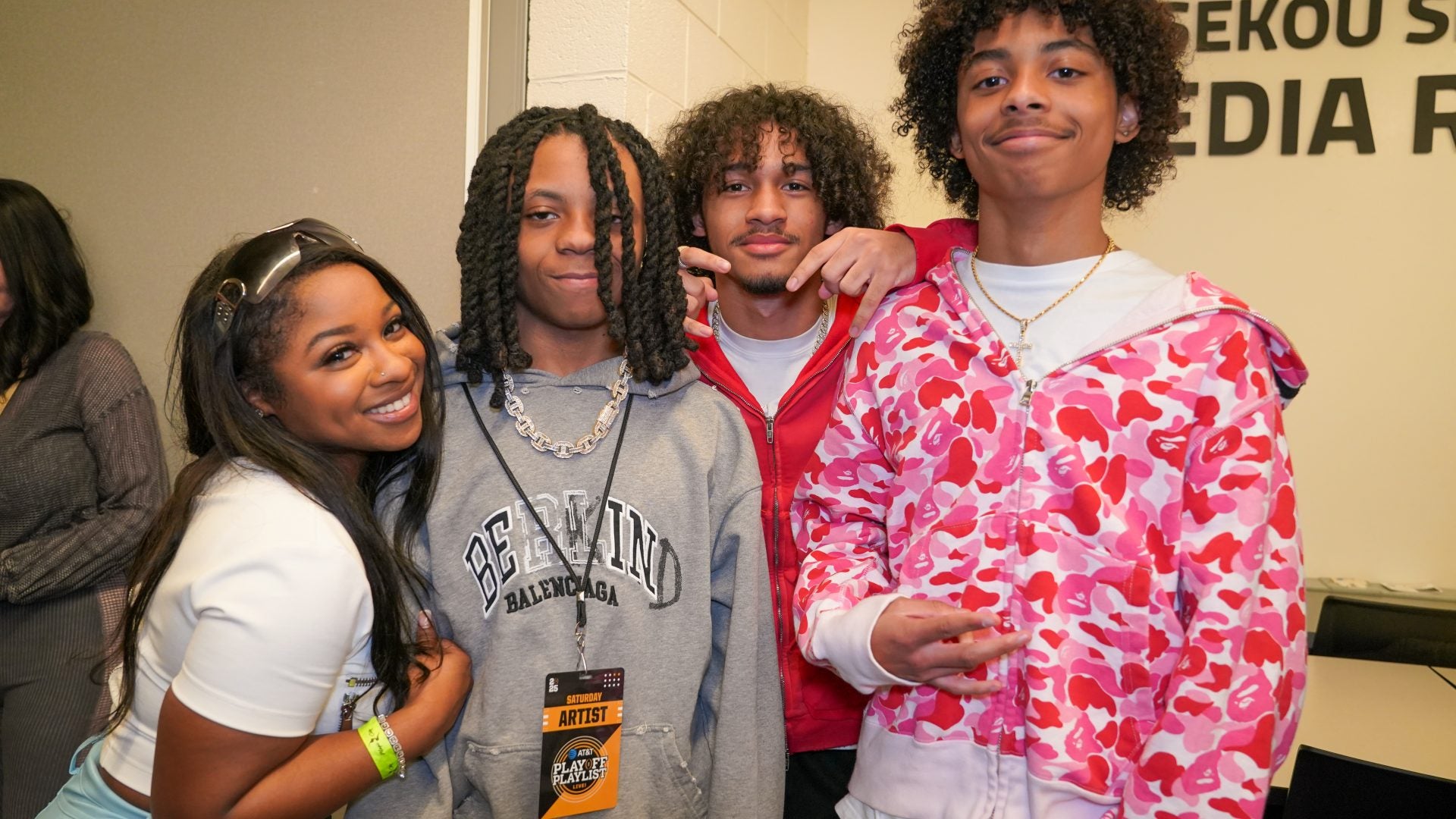
Growing up as the children of Lil Wayne came with privilege—but it also came with isolation. On a recent holiday episode of Heir Time, Reginae Carter sat down with her siblings—Dwayne Carter III, Kameron Carter, and Neal “Lil Novi” Carter—for a conversation that pulled back the curtain on what it really meant to grow up carrying one of the most famous last names in hip-hop. What emerged wasn’t bitterness or blame, but a surprisingly honest portrait of childhood shaped by constant attention, mistrust, and the struggle to be seen as more than “Wayne’s kids.”
For fans, Lil Wayne is an icon: a generational lyricist, a cultural force, a man whose voice helped define modern rap. For his children, however, that legend followed them everywhere—especially into school hallways, classrooms, and friendships where they were still figuring out who they were. Kameron Carter described his earliest memories of school as quietly unsettling. “I would walk around and hear, ‘Oh, that’s Wayne’s son,’” he said. “I was little, so I didn’t really get it, and I didn’t like it.” The attention wasn’t flattering. It was intrusive. At an age when most kids are worried about fitting in, Kameron was already questioning whether anyone around him actually wanted to be his friend, or just wanted proximity to fame.
Reginae Carter, the most publicly visible of the siblings, admitted her reaction was different at first. She liked the attention when she was younger, she said, but even that came with consequences. Being noticed didn’t always mean being understood. Over time, she learned to recognize patterns—people who were drawn to her because of who her father was, not who she was becoming. “You have to learn who’s really there for you and who’s just there for the name,” she has said in past episodes, a lesson that resurfaced again in this family conversation.
:max_bytes(150000):strip_icc():focal(1001x484:1003x486)/lil-wayne-kids-8259d7908ea74e908cf729f82c9104fd.jpg)
Dwayne Carter III’s experience was even more blunt. He described his early school years, particularly in private school settings, as “terrible.” “They would all be pressed about me the whole time,” he said, recalling classmates who constantly asked invasive or bizarre questions about his father. The curiosity was relentless, often crossing into discomfort. Ironically, Dwayne said things improved when he transferred to public school. “The funniest part is the people who started to care less was when I went to public school,” he explained. In a space with more diverse backgrounds and fewer insulated expectations, he felt less like an exhibit and more like a regular kid.
That contrast—between environments that amplified his father’s fame and those that diluted it—revealed an unexpected truth. Wealth and exclusivity didn’t protect Lil Wayne’s children from social pressure; in some cases, it intensified it. In elite spaces, fame became a currency, and being Lil Wayne’s child meant constant scrutiny. In more ordinary settings, it became just one detail among many.
Neal “Lil Novi” Carter didn’t speak as much about school during this segment, but his presence added another layer to the discussion. Unlike his siblings, Lil Novi is actively following in his father’s musical footsteps. His relationship with Lil Wayne is openly affectionate, and he has spoken elsewhere about being inspired by his father rather than burdened by the comparison. Even so, his quiet agreement during his brothers’ stories suggested recognition. Fame doesn’t affect every child the same way, but it touches all of them.
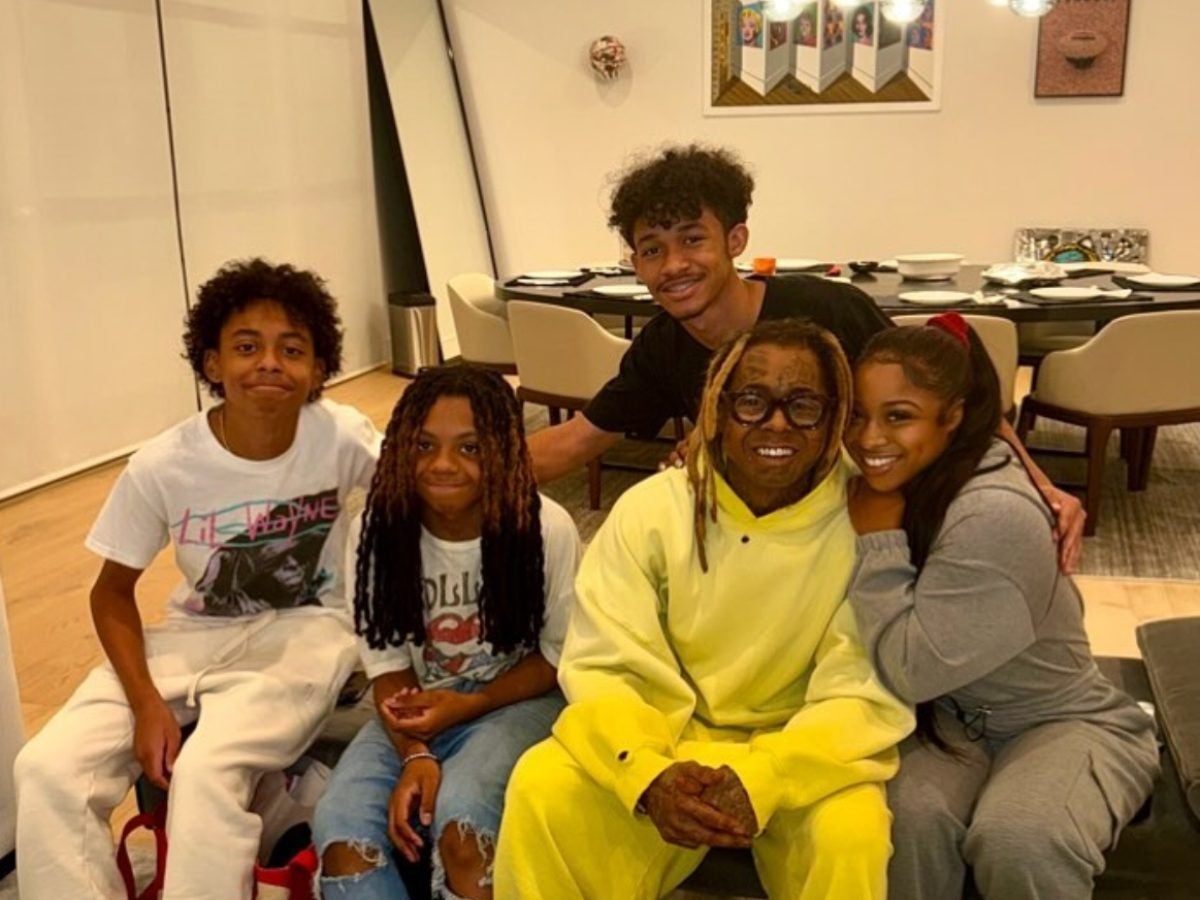
What stood out most in the conversation was the absence of resentment toward their father. None of the Carter children framed Lil Wayne as negligent or careless. Instead, they described him as a presence who did his best to shield them while navigating a life that was anything but normal. Reginae has often spoken about her father’s support behind the scenes, and this episode reinforced that dynamic. The struggle wasn’t with Lil Wayne himself—it was with the world’s reaction to him.
Fatherhood, in this context, becomes complicated. Lil Wayne’s career demanded constant movement, public visibility, and creative immersion. Yet his children didn’t describe abandonment or neglect; they described pressure that came from outside the home. Teachers, classmates, parents of other kids—everyone had opinions, expectations, and assumptions. That external noise shaped their formative years in ways that are hard to quantify.
The podcast episode also touched on how these experiences influenced their adult perspectives. Kameron spoke about learning how to read people more carefully, a skill born out of necessity. Dwayne described becoming more guarded, more selective about who he lets in. Reginae, now a media personality in her own right, framed her journey as one of discernment—learning to navigate opportunity without losing herself in other people’s agendas.
In many ways, their stories echo those of other celebrity children, but the Carter siblings’ honesty felt distinct. They weren’t offering a cautionary tale or asking for sympathy. They were simply explaining that fame, even when inherited, has a cost. Being associated with greatness doesn’t automatically grant belonging. Sometimes, it complicates it.
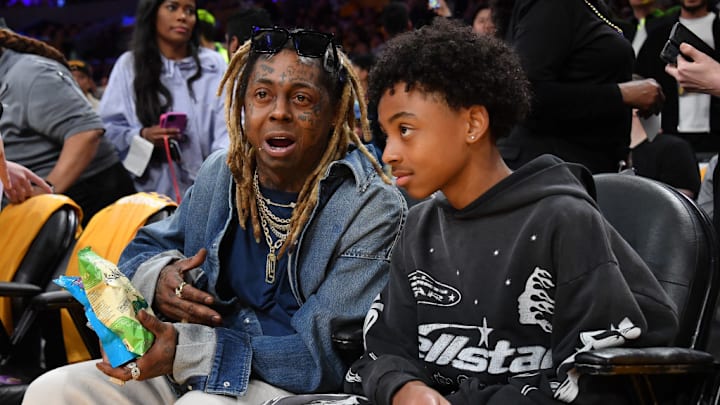
The conversation also reframed Lil Wayne’s legacy in a subtle way. Beyond albums and accolades, his impact includes the lives shaped by his fame—lives that unfolded largely out of public view. The children who grew up hearing his voice everywhere also had to find their own voices, often in spaces where they were already defined before they spoke.
As the episode ended, there was a sense of resolution rather than closure. The Carter siblings didn’t present their upbringing as tragic, nor did they romanticize it. They acknowledged the advantages, recognized the struggles, and accepted both as part of who they are now. Growing up in Lil Wayne’s shadow, they suggested, meant learning early how to stand on your own.
For fans accustomed to seeing celebrity families through curated images and headlines, their words offered something rarer: nuance. Fame can open doors, but it can also blur identities. And for Lil Wayne’s children, childhood wasn’t about escaping his legacy—it was about learning how to live alongside it, and eventually, beyond it.