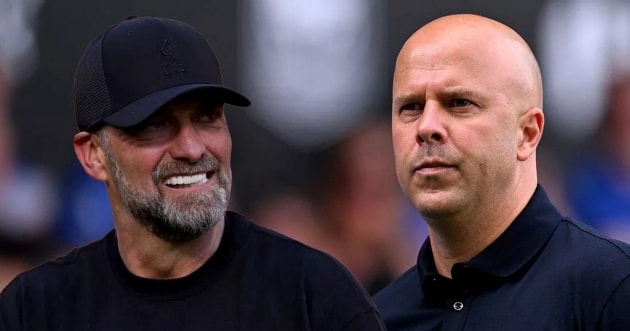
Arne Slot’s 50th Premier League match in charge of Liverpool was one he would rather forget. The Dutch manager watched his team collapse to a disappointing 0–3 defeat to Nottingham Forest at Anfield — a result that has amplified the growing concerns around Liverpool’s form during the 2025–26 season. The defeat extended a worrying stretch and left the Reds sitting in the bottom half of the Premier League table, far below expectations for the defending champions.
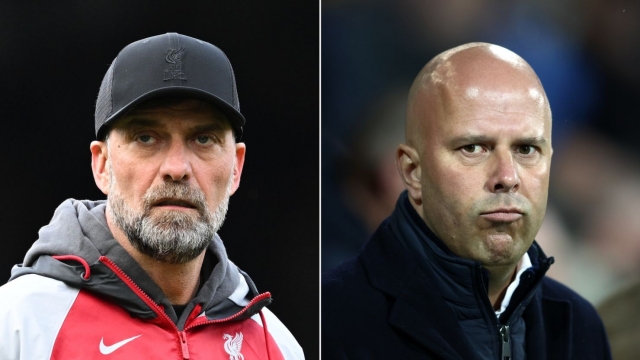
Yet, amid the turbulence and the rising uncertainty over Slot’s future, a surprising statistical truth has emerged: Arne Slot’s first 50 Premier League games are actually better than Jürgen Klopp’s.
This comparison has stunned many supporters who have spent the past decade viewing Klopp as the gold standard — the man who transformed Liverpool into a global powerhouse, lifted the Champions League, and ended a 30-year wait for a league title. But the data tells a different story when measuring the early stages of each manager’s tenure.
Klopp arrived in the summer of 2015, inheriting a club in disarray and a squad far from elite level. His first 50 Premier League matches produced:
• 26 wins
• 14 draws
• 10 defeats
• 103 goals scored
• 63 goals conceded
• 14 clean sheets
• 92 total points earned
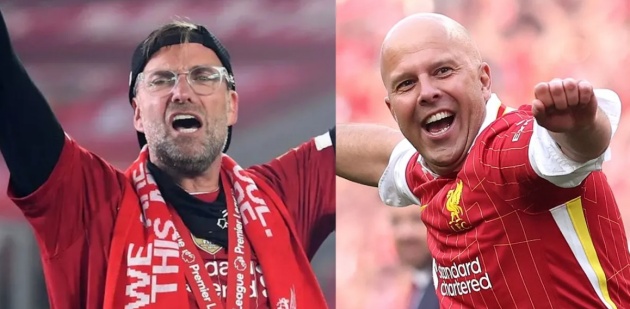
It was a period defined by rebuilding, transition, and the laying of foundations for what would later become a dominant Liverpool side.
Arne Slot’s first 50 league matches, by comparison, tell a more successful statistical story:
• 31 wins
• 9 draws
• 10 defeats
• 104 goals scored
• 61 goals conceded
• 16 clean sheets
• 102 total points earned
The numbers are clear: more wins, more goals scored, more clean sheets, and more points on the board. Slot’s Liverpool started stronger on almost every measurable front.
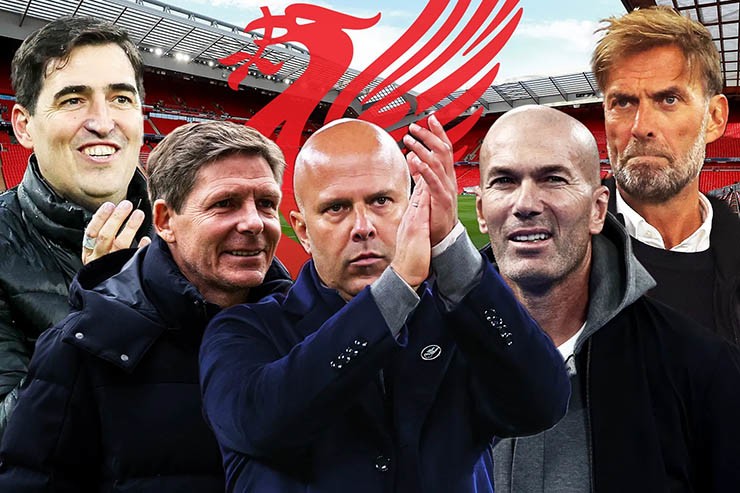
But the main difference between their early eras lies in context.
Klopp began a giant rebuilding mission. Slot inherited one.
When he took over, Klopp needed years — and numerous transfer windows — to reshape Liverpool into his vision. Slot, on the other hand, stepped into a team already filled with superstars who had been groomed under Klopp’s philosophy. The expectation was that winning would continue seamlessly, without any dip.
To further accelerate his style of play, Liverpool invested heavily this past summer — more than £450 million spent — hoping to stay ahead of rivals Manchester City and Arsenal in the title race. But so far, Slot’s marquee signings have struggled to deliver the immediate impact fans demanded.
And now, as the Reds find themselves with six wins and six losses from their opening 12 league fixturess, the optimism of just a few months ago has been clouded by doubt.
While surpassing Klopp’s early results is notable, Slot still falls short compared to some of the league’s managerial giants.
Pep Guardiola’s legendary start at Manchester City featured:
• 34 wins
• 10 draws
• 6 losses
• 119 goals scored
• 46 goals conceded
• 112 points earned
Sir Alex Ferguson — who built Manchester United’s dynasty — had:
• 30 wins
• 13 draws
• 7 losses
• 103 points earned
Slot also fares better than Mikel Arteta’s rocky beginning at Arsenal, which included 21 wins and 17 defeats in his first 50 Premier League matches.
So where does that leave Liverpool now?
Despite the statistics in his favor, Slot faces a very different type of pressure from Klopp. Supporters aren’t comparing him to the Klopp of 2015 — they are comparing him to the Klopp of 2020. That is an almost impossible standard for any manager in world football to live up to.

Liverpool’s rapid deterioration this season has overshadowed Slot’s strong early achievements. The pace of decline, the defensive fragility, and the dropped points against mid-table opposition have created a sense of crisis. Fans now fear the club is losing the winning mentality Klopp spent years cultivating.
Adding to the tension, Jürgen Klopp’s name keeps resurfacing in headlines as speculation grows about a potential return. His affection for Liverpool remains strong, and he recently suggested that coaching the Reds again is theoretically possible — a comment that instantly sent supporters into a frenzy.
Every Liverpool setback under Slot only intensifies nostalgic calls for Klopp’s comeback. And the louder those calls get, the more scrutiny Slot endures.
The big question is whether the Liverpool board — and the fanbase — can remain patient. Slot has already proven he can deliver success, winning the Premier League title last season. But the Premier League is ruthless: short-term failure can erase long-term plans in an instant. A few more defeats could bring discussions about change to the table, no matter how unfair that may feel.
Still, Slot’s supporters argue that crisis can also be an opportunity — a moment to rebuild and evolve without the pressure of comparisons. And if he can steady the ship soon, those doubting him now may look back at the current slump as only a temporary stumble in a much bigger journey.
Arne Slot is currently facing the hardest spell of his Liverpool career. But the numbers do not lie: in his first 50 Premier League games, he has been better than Jürgen Klopp.
Whether statistics can win over the hearts of a frustrated fanbase is another story.
And in a stadium still echoing the legacy of Klopp, every misstep feels magnified.
The question now is simple:
Will Slot write his own era of success at Liverpool — or will Anfield’s longing for the past shape its future?