This is one of hip-hop’s most heated debates — pitting the ultimate storyteller from Brooklyn against the technical virtuoso from Detroit. The Notorious B.I.G. (Christopher Wallace) dropped just two studio albums before his tragic murder in 1997 at age 24, yet he’s widely regarded as one of the greatest to ever touch a mic. Eminem (Marshall Mathers) has been dominating for over 25 years, with a catalog that spans shocking shock-rap, technical masterclasses, and massive commercial anthems.
Both are undeniable legends, but they represent very different eras, styles, and strengths.
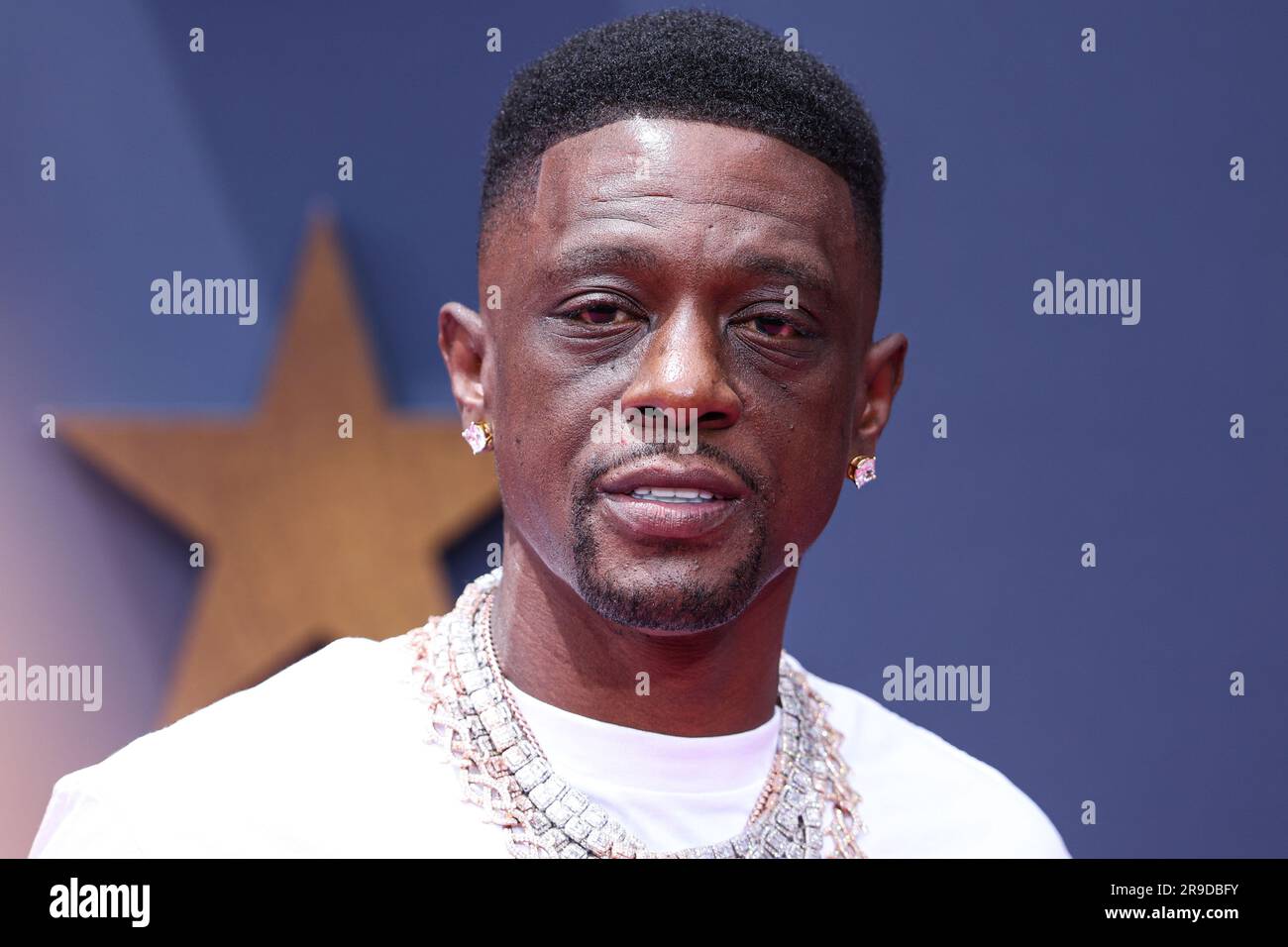
c8.alamy.com

townsquare.media
Biggie’s Case: The King of Storytelling & Flow
Biggie’s appeal lies in his effortless, butter-smooth delivery, vivid storytelling, and larger-than-life charisma. On Ready to Die (1994) and Life After Death (1997), he painted pictures of street life, hustling, success, and paranoia with cinematic detail — tracks like “Juicy,” “Big Poppa,” “Hypnotize,” “Who Shot Ya?,” and “Sky’s the Limit” are timeless.
Flow & Delivery: Many consider Biggie’s cadence the smoothest in rap history. He rode beats with natural swing, multisyllables, and a deep, commanding voice that made everything feel cinematic and effortless.
Authenticity & Subject Matter: He rapped what he lived — from crack-era Brooklyn to sudden fame. His humor, wordplay, and ability to make listeners feel the highs and lows set a gold standard for narrative rap.
Impact: Even with a short career, Biggie helped define East Coast hip-hop in the ’90s golden era alongside Jay-Z, Nas, and others. He’s frequently ranked #1 or top 3 all-time on lists (e.g., topped Billboard/Vibe’s 2015 greatest rappers list).
Critics often say: If Biggie had lived longer, his catalog might have been untouchable.
ca-times.brightspotcdn.com
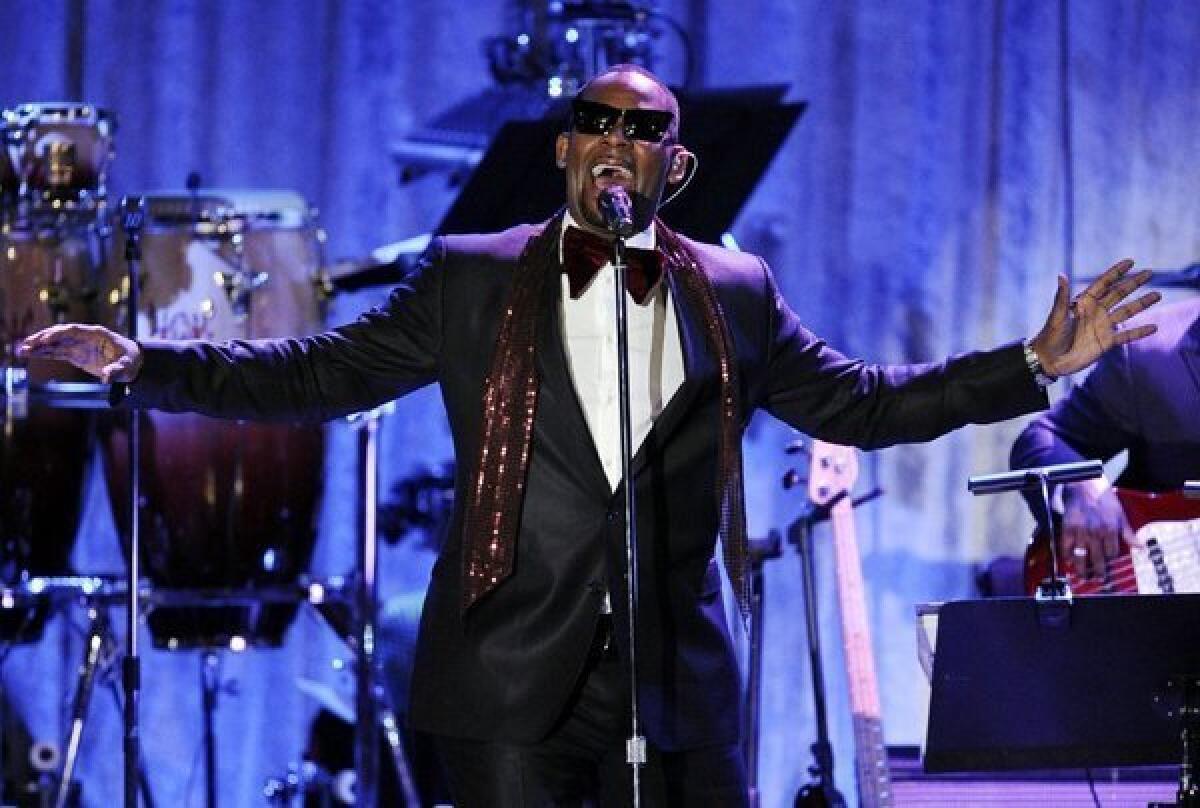

i0.wp.com
Eminem’s Case: Technical God & Global Phenomenon
Eminem brings unmatched lyrical density, multisyllabic rhymes, speed, and versatility. From the raw Slim Shady shock value to the introspective Recovery and Kamikaze eras, he’s evolved while staying technically elite. Albums like The Marshall Mathers LP, The Eminem Show, and Relapse (for its wordplay) showcase a rapper who treats the English language like a puzzle to be dismantled.
Lyrical Skill & Versatility: Eminem is often praised for mastering metaphors, internal rhymes, double/triple entendres, and switching flows mid-verse. Many (including some battle rappers like Lady Luck) argue he’s the superior lyricist on paper — broader subject matter, from personal demons to pop culture satire.
Commercial Dominance & Longevity: Eminem is the best-selling rapper of all time (over 220 million equivalent album sales globally). He brought hip-hop to mainstream white America in a massive way while earning respect from purists. Hits like “Lose Yourself,” “Stan,” “Till I Collapse,” and “Not Afraid” crossed over without sacrificing edge.
Battle & Freestyle Pedigree: He came up in rap battles and has consistently outrapped opponents on wax for decades.
Eminem’s run includes consistent high-level output into the 2020s, something Biggie never got the chance to do.
images.seattletimes.com
springfieldnewssun.com
Head-to-Head Breakdown
Flow & Delivery — Biggie edges it for many. His laid-back, musical pocket feels more “natural” and enjoyable on repeat listens. Eminem’s flow is more aggressive and technical, sometimes prioritizing complexity over groove.
Lyrics & Wordplay — Eminem usually gets the nod for sheer technical brilliance and range. Biggie’s wordplay is clever but more conversational and story-driven.
Storytelling — Biggie is elite. Few match his ability to make you visualize scenes.
Impact & Influence — Biggie shaped ’90s East Coast rap and remains a blueprint for lyricists. Eminem expanded hip-hop’s audience globally and influenced a generation of technical rappers (and even pop crossovers).
Catalog Depth — Eminem wins on volume and consistency over 25+ years. Biggie wins on “every song is a classic” density in his limited output.
Sales & Cultural Reach — Eminem dominates commercially.
In hypothetical Verzuz or battle scenarios, opinions split: Biggie might win on vibe and crowd sing-alongs, while Eminem could overwhelm with multies and energy. On tracks like “Dead Wrong” (Biggie ft. Eminem), fans still debate who had the hotter verse.
The Verdict?
There is no objective winner — it depends on what you value most in an emcee.
If you prioritize smooth flow, storytelling, authenticity, and timeless vibe, Biggie is hard to beat. He’s often called the “perfect” rapper by purists.
If you prioritize technical skill, lyrical complexity, versatility, longevity, and global impact, Eminem makes a stronger case for the all-time #1 spot.
Many fans (and even Eminem himself) put both in their top 5–10 without ranking one clearly above the other. Biggie is frequently cited as the greatest “pure” emcee, while Eminem is seen as the greatest technician and one of the most successful artists period.
Ultimately, hip-hop is richer because of both. They represent different peaks of the genre: Biggie as the golden-era storyteller king, Eminem as the boundary-pushing wordsmith who took rap mainstream like no one else.
Who’s your pick — Biggie or Eminem? Or do you see them as equals in different lanes? Sound off in the comments. 🔥
(And yes, both belong in any serious Mount Rushmore discussion alongside names like Tupac, Jay-Z, Nas, and Rakim.)
News
“THEY COULDN’T EVEN HOLD BACK THE TEARS…”
Caitríona Balfe and Sam Heughan in “Outlander.” (Starz) Over a decade after landing the leading heroine role in the beloved time-travel series “Outlander,” Caitriona Balfe remembers that the first time she was set to meet Sam Heughan, who would become her on-screen…
“EVERYONE’S BEEN WRONG FOR 7 YEARS…”
The finale of Outlander Season 8 left fans reeling in ways no one could have predicted. In the final moments, Claire’s hair had turned completely white—solving a mystery that has been haunting viewers since Season 4. The explosive conclusion centered on the…
“AFTER FIVE YEARS… THE MASTERPIECE IS FINALLY COMING BACK.”
Netflix users, this is not a drill! The highly-acclaimed French comedy-drama, Call My Agent!, is returning to screens five years after its final episode. The series, which first premiered in 2015, is returning to the platform as a feature film this autumn,…
“DID CLAIRE RISK EVERYTHING TO SAVE JAMIE? — OUTLANDER’S FINAL PROPHECY IS TURNING THE ENTIRE FANDOM UPSIDE DOWN.”
Outlander‘s series finale has left more than a few viewers stumped over the outcome of Claire (Caitriona Balfe) and Jamie’s (Sam Heughan) fate, as the final moments left their ending ambiguous enough to foster various theories. Warning: Spoilers for the Outlander series finale ahead!…
“AFTER 8 SEASONS… OUTLANDER FINALLY REVEALED THE TRUTH.”
OUTLANDER’ FINALE SHOCKER — Showrunner Confirms Jamie Was the Mysterious Highlander All Along, Revealing a Mind-Blowing Full-Circle Twist That Changes Everything Fans Thought They Knew After eight seasons of mystery, suspense, and heart-stopping drama, Outlander has finally answered the question fans have…
“NETFLIX HASN’T SAID A WORD… AND THAT’S EXACTLY WHY FANS ARE PANICKING.”
Will There Be A Legends Season 2? Here’s Everything We Know So Far Neil Forsyth’s undercover crime thriller has proven to be a streaming hit – but what does the future hold? Netflix’s Legends has garnered rave reviews from critics and audiences…
End of content
No more pages to load