R. KELLY’S LIFE IN JEOPARDY? Explosive Prison Updates Spark Outrage: Overdose Collapse, Blood Clots, and Alleged Assassination Plot Behind Bars

Fresh controversy has erupted surrounding disgraced R&B superstar R. Kelly, currently serving a 30-year federal sentence at FCI Butner Medium I in North Carolina for racketeering, sex trafficking, and related convictions. His legal team has filed urgent court documents alleging negligence, an overdose incident, life-threatening medical complications, and an ongoing conspiracy to harm him inside the prison system—claims that have ignited fierce online debate and divided public opinion.
According to a June 2025 emergency motion and subsequent supplements from attorney Beau Brindley, Kelly collapsed in his cell on June 13 after being administered what his lawyers describe as an “overdose quantity” of prescribed anxiety and sleep medications while in solitary confinement. Prison staff allegedly instructed him to take extra doses the night before, leading to him feeling faint, seeing black spots, and passing out. He was rushed by ambulance to Duke University Hospital in Durham, where doctors reportedly confirmed the overdose had threatened his life.
At the hospital, scans revealed severe blood clots in both legs and lungs—complications Kelly’s team says stem from a history of clotting issues. Prison medical staff had previously taken him off blood thinners, exacerbating the condition. Doctors recommended a seven-day stay and immediate surgery to remove the lung clots, warning the untreated condition could be fatal. However, the filings claim prison officials forcibly removed Kelly from the facility against medical advice, returning him to solitary confinement without allowing the procedure. “Mr. Kelly’s life is in jeopardy right now because the Bureau of Prisons denied him necessary surgery to clear clots from his lungs,” the supplement states. “He could die from this condition, and they are letting it happen.”
Kelly’s lawyers frame these events as part of a broader “assassination plot” and pattern of endangerment by Bureau of Prisons officials. Earlier filings accused prison staff and inmates of conspiring against him, including stolen legal mail, witness tampering, and recruitment of gang members (such as an alleged Aryan Brotherhood leader) to target him. They have even urged presidential intervention for release to home detention, arguing his safety cannot be guaranteed behind bars.
Federal prosecutors have pushed back hard, dismissing the allegations as a “fanciful conspiracy” that mocks the harm inflicted on Kelly’s victims. In a motion opposing his release requests, they argued such claims could set a dangerous precedent, allowing any inmate to allege threats and demand freedom. A judge has denied multiple bids for early release or home confinement, with Kelly’s projected release date remaining December 21, 2045.
The saga has split opinions online. Supporters point to the documented hospitalization and medical records as evidence of real neglect or worse, fueling calls for investigation into prison conditions. Critics, including many survivors’ advocates, view it as a calculated sympathy ploy to garner public pressure for leniency or early freedom after his high-profile convictions.
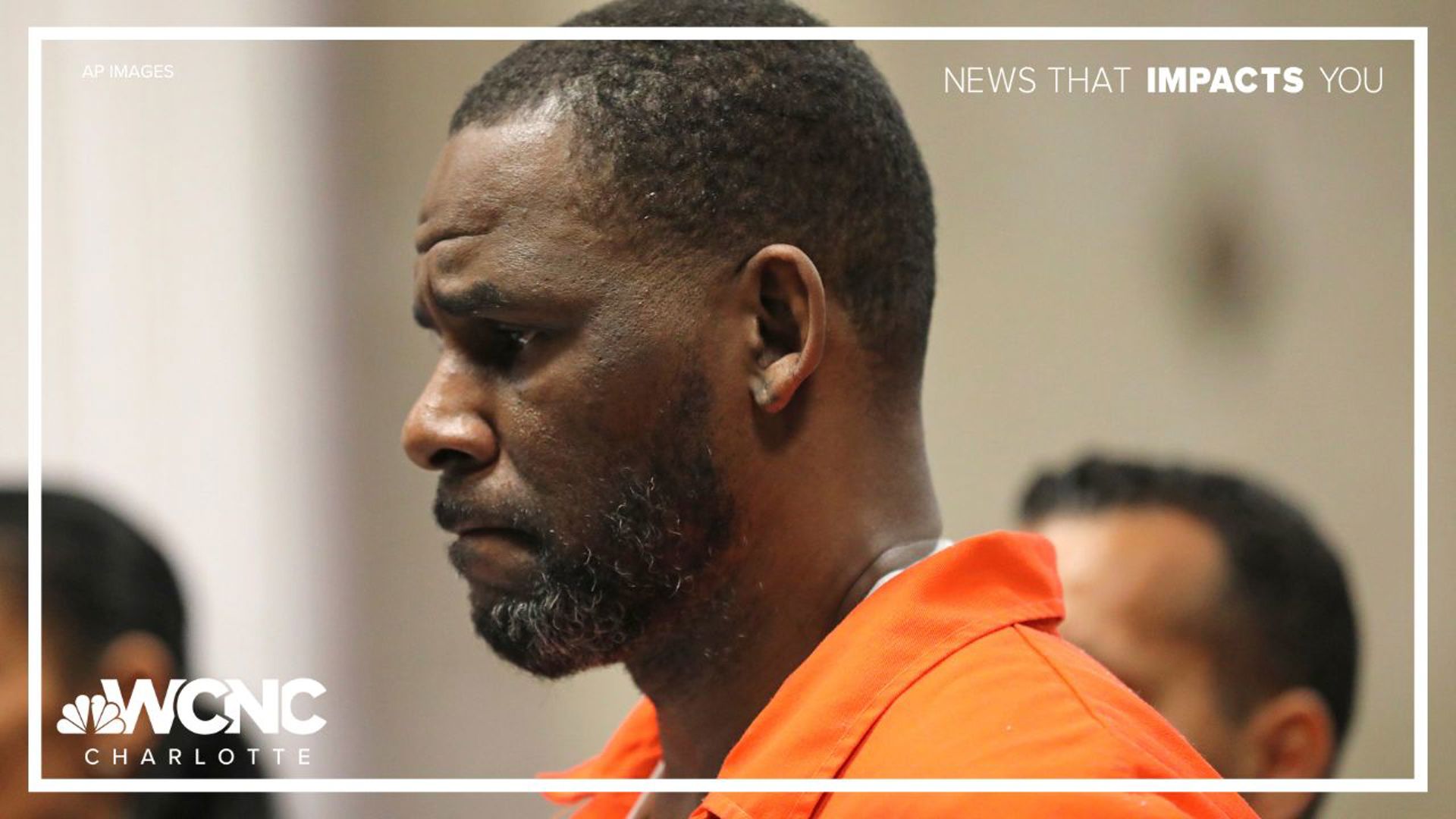
As of early 2026, Kelly was briefly held in special housing (solitary) over unrelated issues but returned to general population after no wrongdoing was found. His health battles continue amid ongoing appeals. Whether these latest claims represent genuine danger or strategic maneuvering, they have thrust R. Kelly’s prison ordeal back into the spotlight, raising uncomfortable questions about accountability, medical care in federal facilities, and the line between justice and mercy.
News
Locked In And Forgotten — Kodak Black Just Rode For YNW Melly Like Family
KODAK BLACK SHOWS WHAT REAL LOYALTY LOOKS LIKE — DROPS $500K AND SHOWS UP FOR YNW MELLY IN HIS DARKEST HOUR In an industry where friendships often crumble under pressure and “loyalty” is thrown around like a marketing slogan, Kodak…
They Knew the System Was Broken — Two Canadian Pilots Paid With Their Lives
They Warned the System Was Broken — Two Young Canadian Pilots Paid With Their Lives The deadly collision at New York’s LaGuardia Airport on the night of March 22, 2026, was never a simple “accident.” It was a preventable catastrophe…
“A DISASTROUS START!” — THE SHATTERING TRUTH BEHIND ASTON MARTIN’S SPECTACULAR 2026 COLLAPSE
SUZUKA SURVIVAL: Can Newey and Aston Martin Escape the 2026 Spiral at Honda’s Home Turf? SUZUKA — As the Formula 1 circus descends upon the iconic Suzuka International Racing Course for the 2026 Japanese Grand Prix, the atmosphere inside the…
MAFS GROOM RIPS GIA FLEUR TO SHREDS AFTER SH0CKING NEW BOYFRIEND REVELATION SURFACES.
ESCAPE FROM THE EXPERIMENT: Danny Hewitt Breaks Silence on Why He and Bec Fled the MAFS Retreat SYDNEY — In the history of Married at First Sight, few moments have been as polarizing as the sudden disappearance of Danny Hewitt…
“WE’RE SO SORRY”: SHOCKING POLICE STATEMENT AFTER HORRIFIC CRASH CLAIMS THREE FAMILY LIVES NEAR BIRDWOOD
Three from same family killed in horror truck crash at notorious Adelaide Hills black spot Devastating update leaves community in shock as witnesses describe “confronting” scene Birdwood, Adelaide Hills – Three people from the same family lost their lives in…
SOULJA BOY A.CCUSES KAI CENAT OF FINESSING FANS AMID CONTROVERSIAL HA.TE WALL DRAMA.
THE DRAGON VS. THE TITAN: Soulja Boy Ignites War Over Kai Cenat’s “Hate Wall” and Streaming Hiatus ATLANTA — The self-proclaimed “first rapper to do everything” is now the first to officially call for a refund from the world’s most…
End of content
No more pages to load