Australia Eases Fuel Stock Rules: Up to 762 Million Litres Released Amid Middle East War Disruptions
Canberra, Australia – March 13, 2026
In a swift response to mounting fuel supply pressures triggered by the escalating war in the Middle East, Australia’s Minister for Climate Change and Energy Chris Bowen announced a temporary reduction in the national Minimum Stockholding Obligation (MSO) for petrol and diesel. The move is designed to unlock up to 762 million litres of fuel from domestic reserves, targeting relief for regions facing
The MSO, introduced in 2023, mandates that fuel importers and refiners maintain minimum stocks to ensure a baseline supply during potential disruptions. It was established to bolster energy security after years of concerns over Australia’s low reserves compared to international standards. Previously set at 2.7 billion litres for diesel and 1 billion litres for petrol, the obligation has now been lowered to 2.2 billion litres for diesel and 700 million litres for petrol.
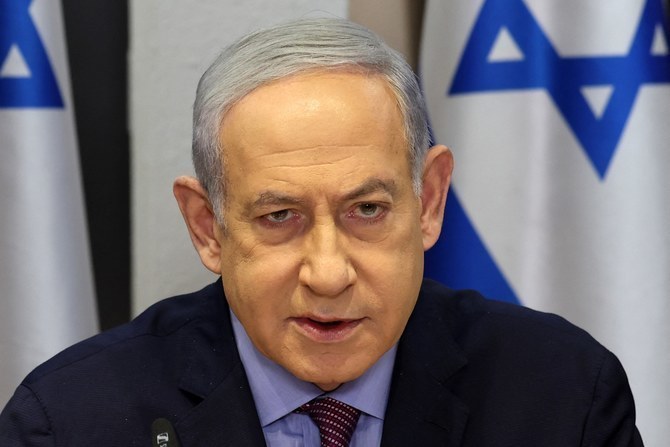
This adjustment will allow companies to release excess stocks into the market without breaching legal requirements. Bowen emphasized that the fuel won’t flood the market immediately. “The fuel will not be released immediately,” he stated during a press conference. “I will be having conversations… with fuel companies about ensuring that this flows to regional Australia.”
The minister highlighted ongoing discussions with industry players, securing undertakings that extra supply will prioritize areas of shortage. “The minimum stock obligation will be reduced for each company in return for an undertaking… to ensure that extra supply flows to the regions of shortage,” Bowen said. He described the response as “sensible” and “well-calibrated,” aimed at providing flexibility in supply chains while maintaining overall security.
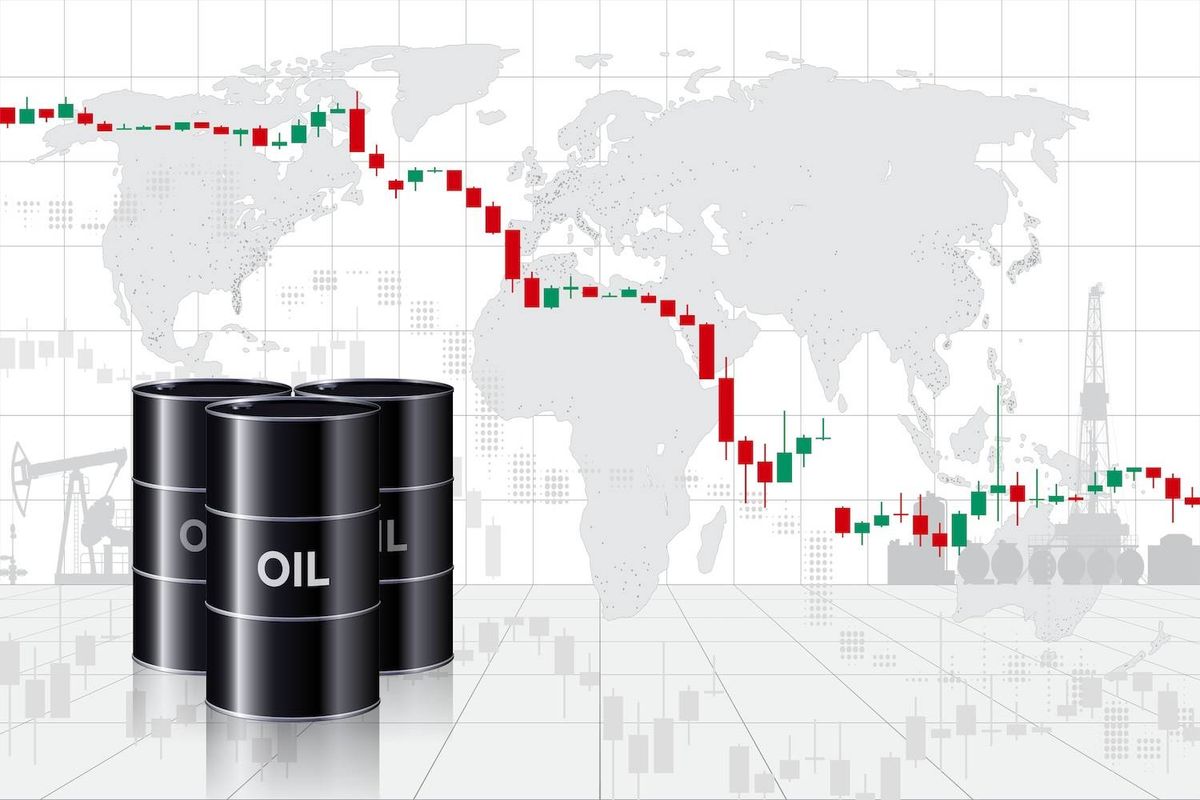
The decision comes against a backdrop of global oil market turmoil. Brent crude prices surged past $100 a barrel on Friday amid reports of Iran laying mines in the Strait of Hormuz—a critical chokepoint for much of the world’s oil shipments. Disruptions in this vital trade route have heightened fears of prolonged shortages, with ripple effects reaching distant markets like Australia.
Resources Minister Madeleine King is en route to Japan for urgent talks at the Indo-Pacific Energy Security Forum. She will meet counterparts from the US, Japan, South Korea, Timor-Leste, and others to coordinate responses to fuel supply and demand challenges. “I’m hoping to achieve good discussions about where everyone else is sitting in addressing the fuel supply or demand issues they’re facing,” King told ABC TV.
King acknowledged the broader risks: “The ripple effects of such conflict reach everybody’s shores, including Australia’s.” She stressed the need for collaborative international efforts to mitigate impacts if the conflict persists.
Australia’s fuel stocks remain relatively robust compared to historical lows, with recent estimates showing around 36 days of petrol, 34 days of diesel, and 32 days of jet fuel. However, localized pressures—particularly in regional and rural areas—have prompted action. Farmers, fishers, and independent distributors have reported difficulties accessing supplies, exacerbated by heightened demand and supply chain strains.
The government has also temporarily relaxed fuel quality standards, allowing higher sulfur levels for two months to redirect about 100 million litres of petrol monthly from export to domestic use. Major refiner Ampol has committed to prioritizing this for shortage-hit regions and wholesale markets.
Critics argue Australia’s reserves fall short of the International Energy Agency’s 90-day recommendation, leaving the nation vulnerable in prolonged crises. The IEA recently approved a record release of 400 million barrels from member emergency stocks, including Australia’s contribution, to stabilize global markets.
Bowen has repeatedly assured the public that arrivals continue on schedule and stocks are secure, attributing some shortages to panic buying rather than fundamental supply failures. Yet, with Brent crude volatility and Hormuz uncertainties, the MSO tweak represents a pragmatic step to ease immediate pressures without depleting strategic buffers entirely.
As diplomatic efforts intensify overseas and domestic measures roll out, the focus remains on ensuring fuel reaches those who need it most—particularly in remote communities reliant on diesel for agriculture and transport. The coming weeks will test the effectiveness of these calibrated responses amid an unpredictable global energy landscape.
(Photos integrated from recent reports: Chris Bowen addressing the media on fuel security; Madeleine King speaking at industry events; Regional fuel tanker at a servo amid shortages; Brent crude price surge chart highlighting oil market volatility.)

reuters.com
theaustralian.com.au


australianmining.com.au
weeklytimesnow.com.au

investingnews.com
The government’s proactive stance underscores the interconnectedness of global conflicts and domestic energy resilience, with ongoing monitoring to prevent escalation.
News
Locked In And Forgotten — Kodak Black Just Rode For YNW Melly Like Family
KODAK BLACK SHOWS WHAT REAL LOYALTY LOOKS LIKE — DROPS $500K AND SHOWS UP FOR YNW MELLY IN HIS DARKEST HOUR In an industry where friendships often crumble under pressure and “loyalty” is thrown around like a marketing slogan, Kodak…
They Knew the System Was Broken — Two Canadian Pilots Paid With Their Lives
They Warned the System Was Broken — Two Young Canadian Pilots Paid With Their Lives The deadly collision at New York’s LaGuardia Airport on the night of March 22, 2026, was never a simple “accident.” It was a preventable catastrophe…
“A DISASTROUS START!” — THE SHATTERING TRUTH BEHIND ASTON MARTIN’S SPECTACULAR 2026 COLLAPSE
SUZUKA SURVIVAL: Can Newey and Aston Martin Escape the 2026 Spiral at Honda’s Home Turf? SUZUKA — As the Formula 1 circus descends upon the iconic Suzuka International Racing Course for the 2026 Japanese Grand Prix, the atmosphere inside the…
MAFS GROOM RIPS GIA FLEUR TO SHREDS AFTER SH0CKING NEW BOYFRIEND REVELATION SURFACES.
ESCAPE FROM THE EXPERIMENT: Danny Hewitt Breaks Silence on Why He and Bec Fled the MAFS Retreat SYDNEY — In the history of Married at First Sight, few moments have been as polarizing as the sudden disappearance of Danny Hewitt…
“WE’RE SO SORRY”: SHOCKING POLICE STATEMENT AFTER HORRIFIC CRASH CLAIMS THREE FAMILY LIVES NEAR BIRDWOOD
Three from same family killed in horror truck crash at notorious Adelaide Hills black spot Devastating update leaves community in shock as witnesses describe “confronting” scene Birdwood, Adelaide Hills – Three people from the same family lost their lives in…
SOULJA BOY A.CCUSES KAI CENAT OF FINESSING FANS AMID CONTROVERSIAL HA.TE WALL DRAMA.
THE DRAGON VS. THE TITAN: Soulja Boy Ignites War Over Kai Cenat’s “Hate Wall” and Streaming Hiatus ATLANTA — The self-proclaimed “first rapper to do everything” is now the first to officially call for a refund from the world’s most…
End of content
No more pages to load