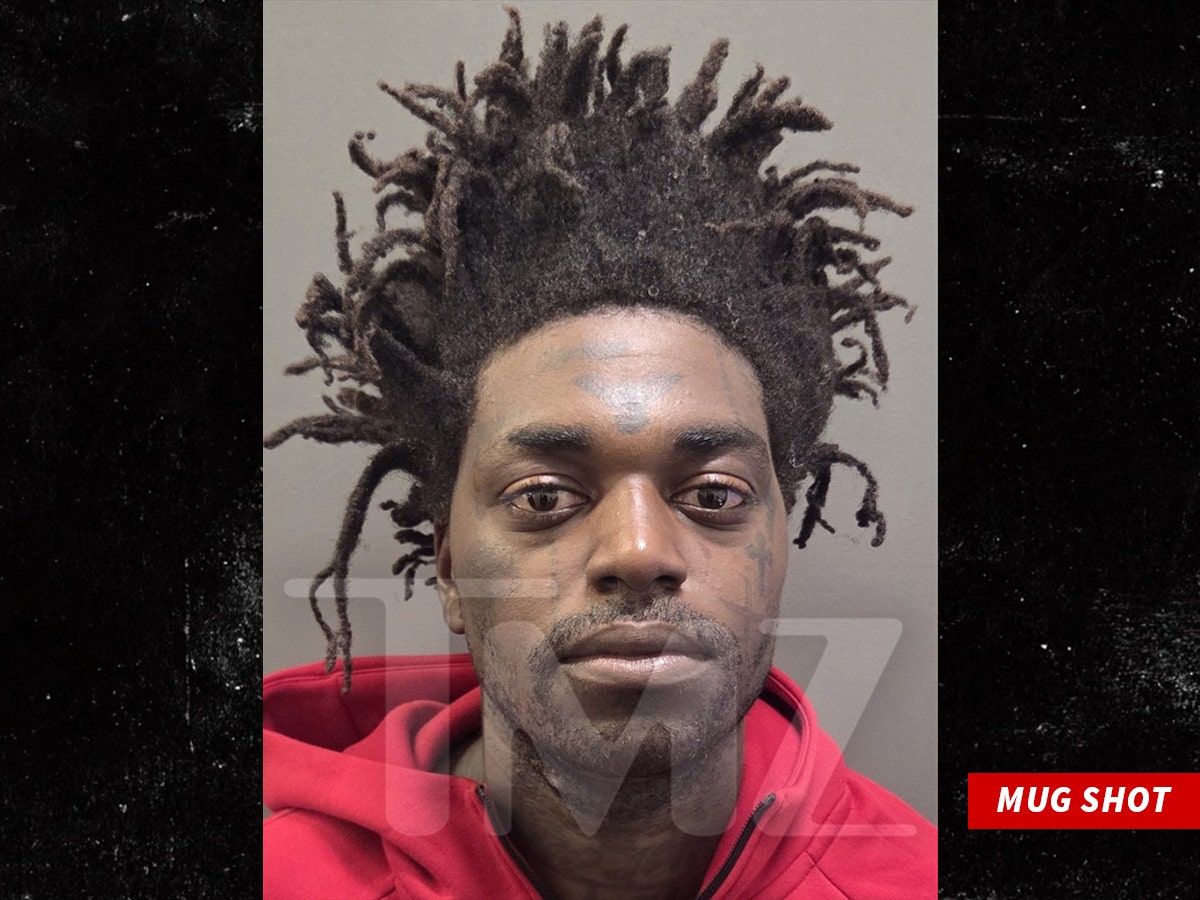
Rapper Kodak Black has once again found himself in legal trouble, voluntarily surrendering to law enforcement in his home state of Florida on charges related to fleeing and eluding police as well as resisting an officer without violence. The 28-year-old artist, whose real name is Bill Kapri, was booked into the Broward County jail on Thursday, May 14, 2026, marking yet another chapter in a series of recent encounters with the justice system that have drawn significant public attention.
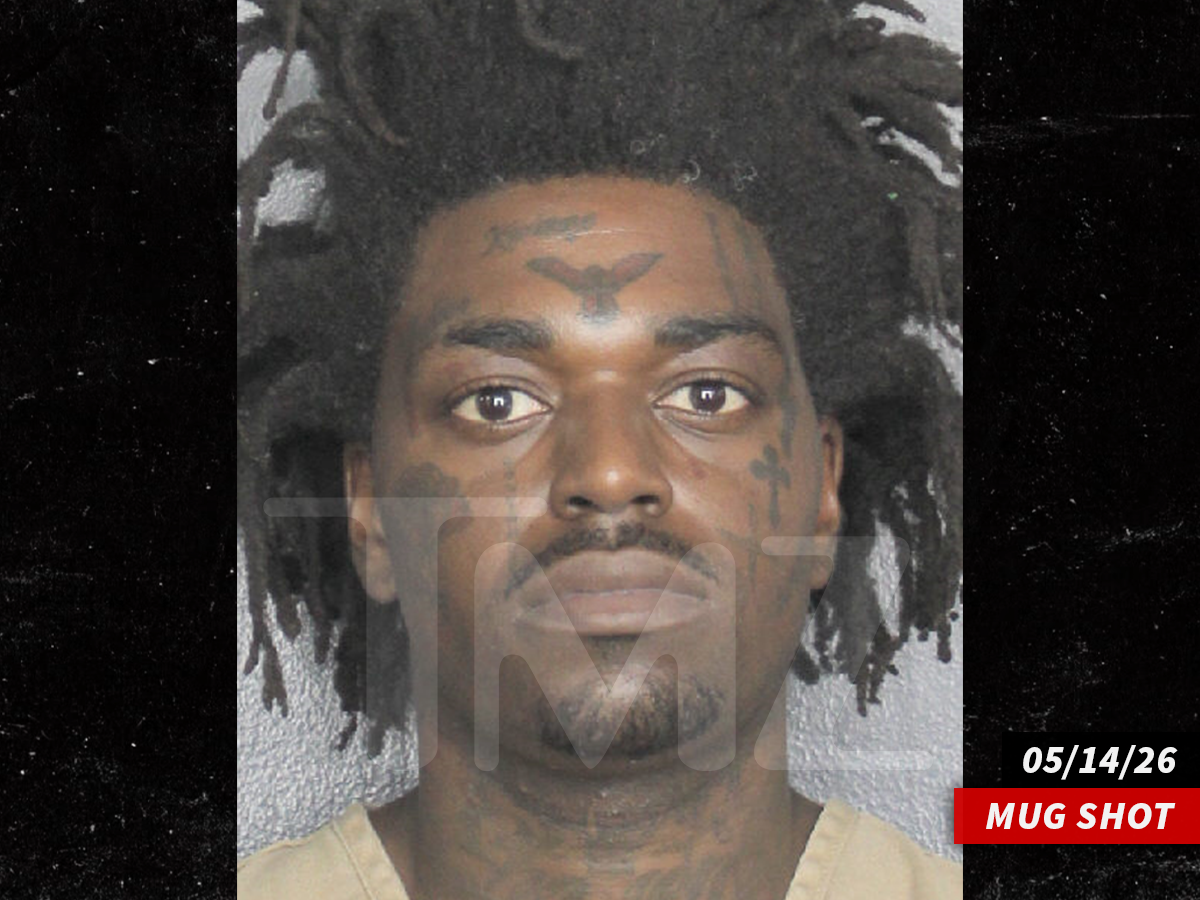
According to records from the Broward County Sheriff’s Office, Kodak turned himself in following an investigation that reportedly stretched over several months. Both charges remain pending trial, with his bond currently set at zero, meaning he is being held in custody as the case proceeds. The development comes at a particularly turbulent time for the Pompano Beach native, who had only recently posted bail in a separate high-profile drug case just days earlier.
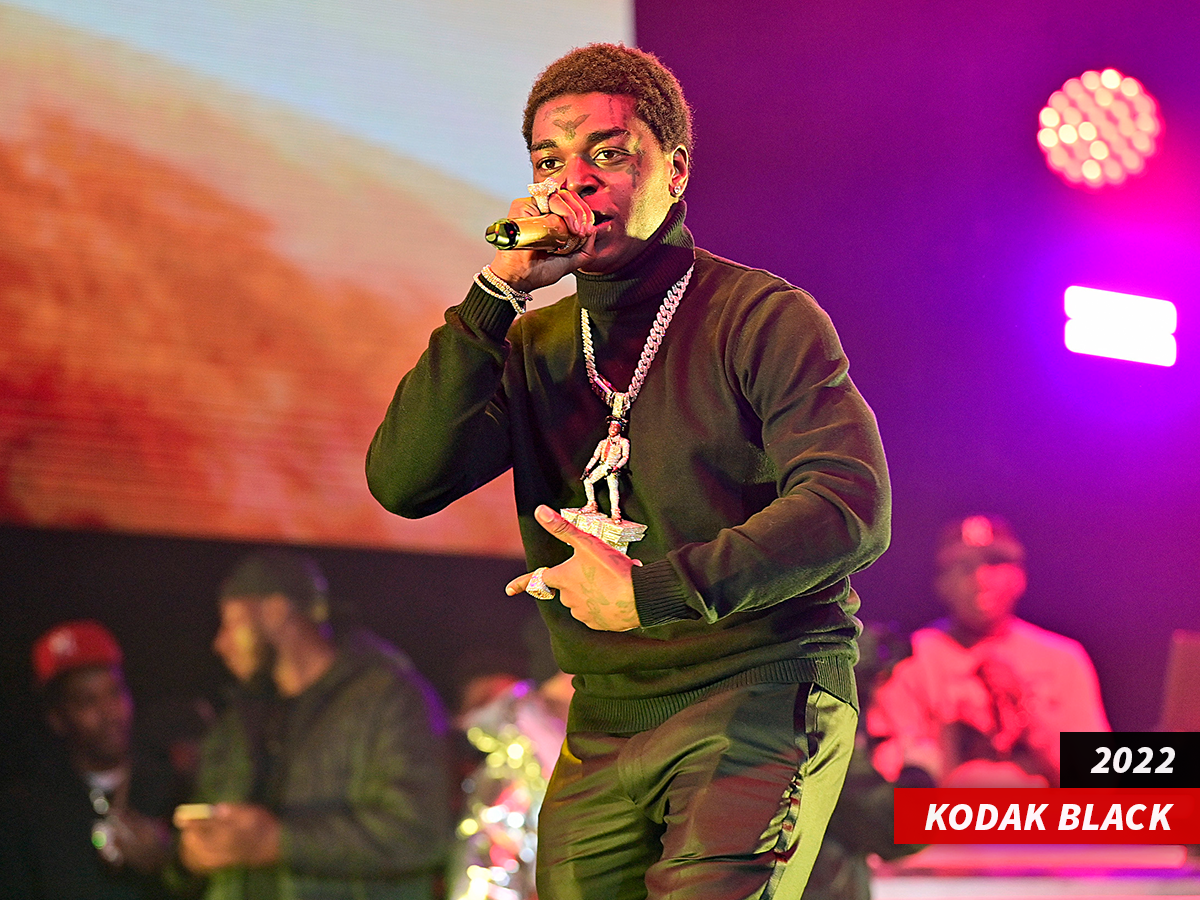
Kodak’s legal representative, attorney Bradford Cohen, has been vocal in defending his client and framing these repeated arrests as part of a troubling pattern. In a statement to TMZ, Cohen described the latest surrender as routine procedure in what he characterises as an ongoing cycle of investigations that often take five to six months to materialise into formal charges. He suggested that authorities appear to be disproportionately targeting the rapper, referring to the situation as one where “everyone agrees that Kodak is consistently being targeted.”
This most recent arrest follows closely on the heels of Kodak’s booking in Orange County earlier in May on felony drug trafficking charges. That incident stemmed from an alleged connection to over 25 grams of MDMA discovered after police responded to reports of gunfire and located two idling vehicles with the artist nearby. Kodak posted a $75,000 bond in that case and was released with strict conditions, including orders to avoid drugs, certain associates, and firearms while awaiting further proceedings.
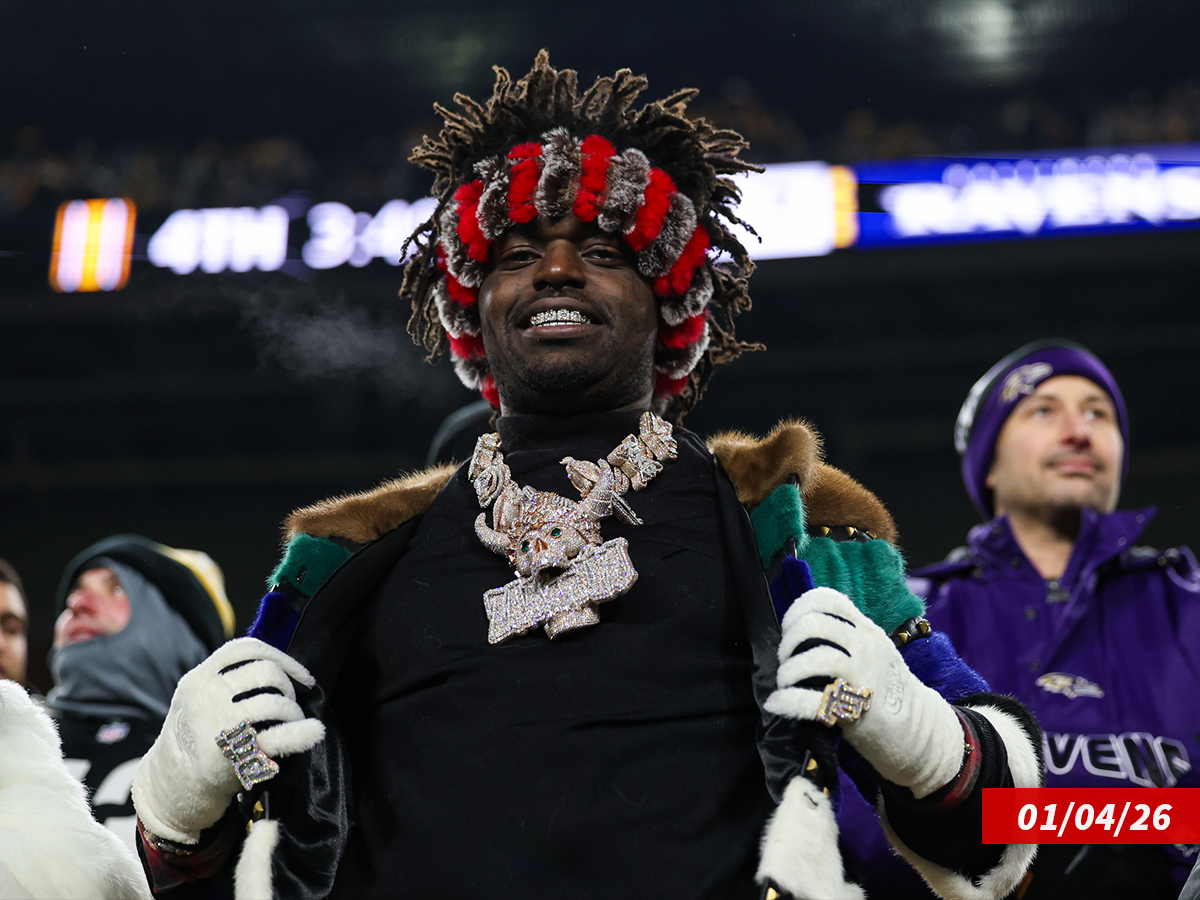
Cohen had previously dismissed the drug trafficking allegations as lacking probable cause, calling the entire matter “a total joke.” His comments on the new charges echo this scepticism, implying that the timing and nature of these investigations raise questions about fairness and potential overreach by law enforcement. The attorney’s remarks highlight a broader narrative often voiced by Kodak’s supporters — that the musician faces heightened scrutiny due to his public profile and past legal history.
Kodak Black rose to prominence in the mid-2010s with a distinctive Southern rap style characterised by melodic flows, raw storytelling, and street-inspired themes. Hits such as “No Flockin,” “Tunnel Vision,” and collaborations with major artists helped establish him as a significant figure in hip-hop, despite frequent interruptions from legal troubles. His career has been marked by a cycle of musical success, personal setbacks, and high-profile court appearances, which have sometimes overshadowed his artistic output.
Fans have reacted to the latest news with a mixture of concern and frustration. Many express worry about the cumulative impact of these repeated legal challenges on the rapper’s well-being and career trajectory. Others, including influential voices in the hip-hop community like DJ Akademiks, have questioned whether systemic targeting is at play, urging Kodak to refocus on his music rather than becoming entangled in ongoing disputes. Social media platforms have seen a surge of commentary, with some users calling for greater support and rehabilitation resources while others criticise what they perceive as self-sabotaging behaviour.
The Broward County case centres on allegations of attempting to flee from law enforcement during an encounter and resisting officers. Details remain limited as the investigation is ongoing, but the charges reflect a common pattern in high-profile cases involving celebrities where interactions with police quickly escalate. Kodak’s decision to self-surrender demonstrates a degree of cooperation with authorities, potentially a strategic move advised by his legal team to manage the situation more favourably.
This latest development arrives amid broader discussions about criminal justice reform, celebrity accountability, and the challenges faced by artists from disadvantaged backgrounds who achieve sudden fame. Kodak has been open in past interviews about his difficult upbringing, early brushes with the law, and efforts to turn his life around through music and community initiatives. However, critics argue that repeated incidents suggest deeper issues that require more than talent and financial resources to resolve.
As both the drug trafficking and fleeing/resisting cases move forward, all eyes remain on how Kodak navigates this turbulent period. His attorney continues to push back against what he views as unfounded accusations, while the artist himself has yet to make a public statement on the most recent charges. The music industry often watches such situations closely, knowing that legal battles can significantly influence an artist’s momentum, brand partnerships, and creative freedom.
For now, Kodak Black remains in custody in Broward County as proceedings unfold. Supporters hope for a swift and fair resolution that allows him to return to the studio and stage, where his distinctive voice has resonated with millions. Whether these latest charges represent genuine wrongdoing or part of a larger pattern of scrutiny, the coming months will likely prove decisive in determining the next phase of his complex career and personal journey. The situation serves as a stark reminder of the precarious balance many public figures must maintain between fame, freedom, and accountability.
News
‘HE LEFT ON HIS BIKE AT 2 A.M. — AND NO ONE HAS SEEN HIM SINCE.’
A Louisiana family is desperately searching for answers after 15-year-old Ja’Derrius Minnieweather vanished during the early morning hours, leaving behind a mystery that grows more troubling with each passing day. What began as an ordinary visit to a friend’s house…
A growing controversy is attracting attention after allegations surfaced that homeless individuals in Los Angeles’ Skid Row may have been offered benefits in exchange for participating in the voting process.
An independent investigation has uncovered an extensive voter registration and signature forgery scheme targeting vulnerable populations within Los Angeles’ infamous Skid Row district. According to investigative reports and direct resident testimony broadcast by FOX LA, multiple homeless individuals have stepped…
“WHY ARE PEOPLE COMPARING PIPPA’S SECURITY TO HARRY’S?” — A NEW ROYAL DEBATE IS DIVIDING OPINIONS ON BOTH SIDES OF THE ATLANTIC
“WHY ARE PEOPLE COMPARING PIPPA’S SECURITY TO HARRY’S?” — A NEW ROYAL DEBATE IS DIVIDING OPINIONS ON BOTH SIDES OF THE ATLANTIC 5 A fresh debate has emerged among royal followers after reports revealed that Pippa Middleton and her husband…
‘TITLES AT RISK.’ KING CHARLES’ THREE WORD REMARK ARE NOW SENDING SHOCKWAVES THROUGH ROYAL CIRCLES
“ARE HARRY AND MEGHAN’S TITLES REALLY SAFE?” — A GROWING ROYAL DEBATE IS PUTTING THE SUSSEXES BACK IN THE SPOTLIGHT 6 Three words are increasingly appearing in royal discussions: “Titles at risk.” Whether that possibility is realistic or not, the…
Prince Harry shares hidden message at exact moment royals arrives for Trooping the Color
Prince Harry shares new message at exact moment royals arrive for Trooping the Colour Prince Harry has featured in a new video shared online. Prince Harry has shared a new message online just minutes after the Royal Family stepped out at this…
Trooping the Colour is filled with centuries-old traditions, military precision, and carefully planned Royal appearances. But this year, many Royal watchers focused on a subtle moment involving Princess Catherine that seemed to signal something much bigger
The subtle moment at Trooping the Colour that showed Kate’s growing royal role The Princess of Wales has once again taken a leading role at Trooping the Colour, joining King Charles III and Queen Camilla on the dais at Horse…
End of content
No more pages to load