What began as a routine trip to Bali quickly descended into one of the most disturbing criminal cases to hit the island in recent years.
Ihor Komarov, a 28-year-old Ukrainian national, arrived in Bali expecting little more than a quiet getaway. Instead, his visit ended in a brutal kidnapping that would later expose a chilling chain of events — one involving violence, ransom demands, and a deeply unsettling aftermath.
On February 15, 2026, Komarov was riding a motorbike in the Jimbaran area alongside his associate, Yermak Petrovsky. In broad daylight, their journey was abruptly interrupted. A group of men reportedly intercepted them, blocking their path before forcibly abducting Komarov and pushing him into a waiting vehicle. Petrovsky managed to escape, later becoming a key witness in the case.
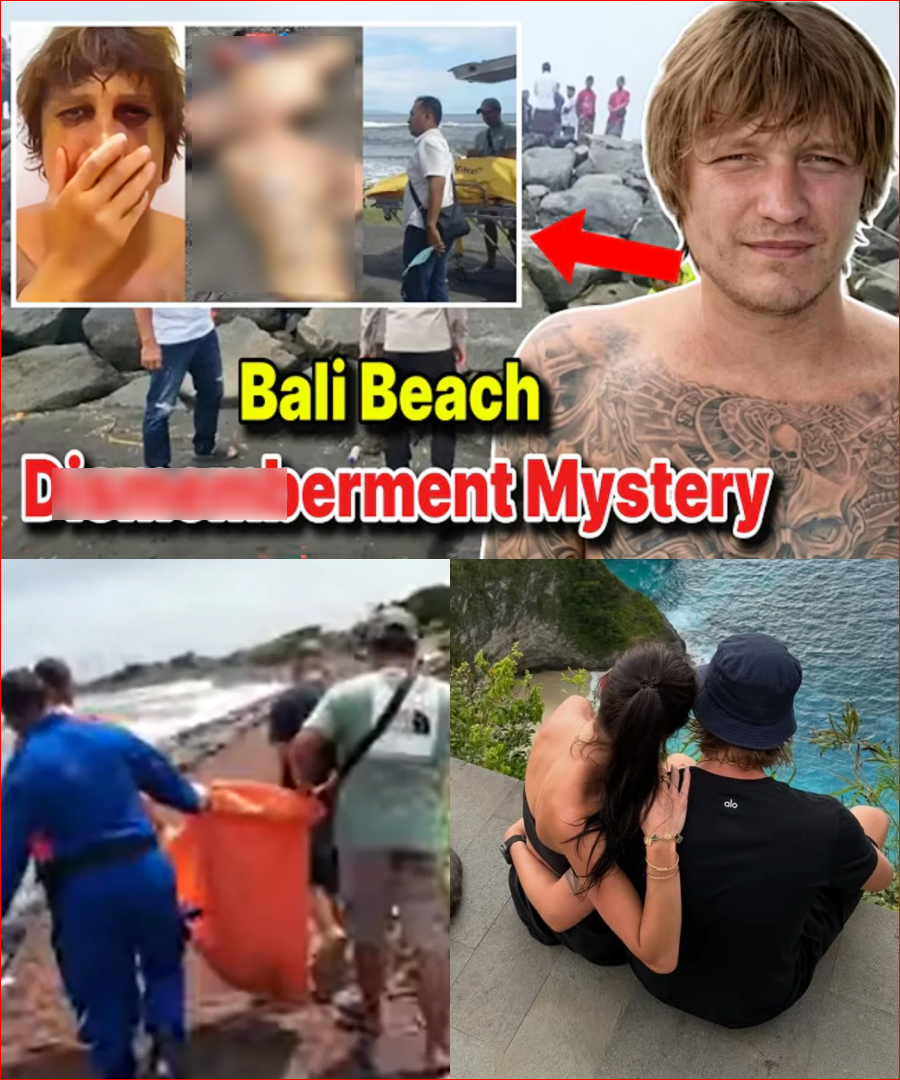
What followed only deepened the horror. Days after the abduction, a video surfaced showing Komarov visibly injured and pleading for help. In the footage, he appeared under duress, delivering a message demanding a ransom of $10 million. Authorities believe the video was staged under coercion, raising concerns that Komarov may have already been subjected to severe abuse at that point.
But the case took an even darker turn in late February. Between February 27 and the days that followed, local authorities began discovering dismembered human remains scattered across coastal areas and river mouths near Bali. The findings shocked both investigators and the public, as the scale and brutality of the crime became impossible to ignore.
Forensic testing later confirmed the worst: the remains belonged to Komarov.
By then, the narrative had shifted entirely. What was initially treated as a kidnapping for ransom was now clearly a case of abduction, torture, and murder, executed with a level of precision that suggested planning rather than impulse.
Investigators soon identified at least six foreign suspects believed to be involved in the operation. One individual has since been arrested, reportedly linked to logistical support such as vehicle rentals using false documents. However, several key suspects are believed to have fled Indonesia, prompting authorities to issue international alerts and coordinate with global law enforcement agencies.
The motive remains officially unconfirmed, but early indications point toward a high-value extortion scheme. Some reports have also raised questions about possible connections between the victim and organized criminal networks, though these claims have not been definitively proven.
What makes this case particularly unsettling is not only its brutality, but the setting in which it occurred. Bali, long regarded as a peaceful tourist destination, became the backdrop for a crime that felt calculated, deliberate, and disturbingly efficient.
As the investigation continues, many questions remain unanswered. Why was Komarov targeted? Who truly orchestrated the operation? And perhaps most unsettling of all — was this an isolated incident, or part of a much larger network operating in the shadows?
For now, the case stands as a stark reminder that even in places known for beauty and escape, darkness can surface without warning — and sometimes, it leaves behind more than just silence.
News

🚨 CHARLES, WILLIAM AND KATE SHARE RARE BEHIND-THE-SCENES VIDEO FROM TROOPING THE COLOUR — AND A SMALL MOMENT CAPTURED ON CAMERA IS NOW SPARKING ROYAL FAN DEBATE…
The Royal Family have highlighted their close bond in heartwarming behind-the-scenes footage from Trooping the Colour today. King Charles led a slimmed-down contingent of senior royals, including Queen Camilla and the Prince and Princess of Wales, on the Buckingham Palace…
SURF LIFESAVER HERO CHARLIE VERCO SPEAKS OUT AFTER SAVING SYDNEY MOTHER LEAH STEWART — AND ADDRESSES A SHARK DEBATE…
The surf lifesaver helped bring Leah Stewart to shore after she was bitten by a great white shark. A hero surf lifesaver who dragged a woman mauled by a shark from the water at Coogee Beach has shared his views on shark…
🚨 CCTV SHOWS EXTRAORDINARY MOMENT ALLEGED CAR THIEVES RETURN BABY IN GARBUTT, TOWNSVILLE BEFORE DRAMATIC ARRESTS…
A mother’s relief, a bizarre roadside exchange and a dramatic overnight manhunt are all captured in newly released vision. Ten people, including eight teenagers, have been charged after police recovered seven allegedly stolen vehicles during a major overnight operation, including…
🚨 I CAN’T BELIEVE THIS EVEN HAPPENED… — A RESIDENT TRACKS AN ILLEGAL DUMPER BACK TO HIS HOME AND DOES AN ACT THAT LEAVES EVERYONE IMPRESSED…
A furious vigilante confronted an alleged fly-tipper at his house after discovering his address on a discarded cardboard box – and made him return to clear up the mess. Stephen Pownall, 67, said he was ‘sick of it’ after mounds…
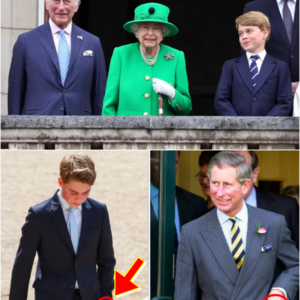
PRINCE GEORGE FOLLOWS KING CHARLES’ FOOTSTEPS WITH THE ‘WINDSOR WALK’ — A MOMENT CAPTURED ON CAMERA
Prince George and King Charles reportedly share a close relationship, with the elder royal acting as a mentor to his grandson Prince George is following in the footsteps of his grandfather, King Charles, in more ways than one. The 12-year-old was pictured…
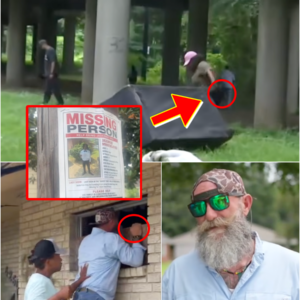
🚨 11 DAYS ON — THE SEARCH FOR MISSING TEEN JA’DERRIUS MINNIEWEATHER CONTINUES AS DESPERATION GROWS, AND ONE DETAIL IS NOW DRAWING ATTENTION…
BATON ROUGE, LOUISIANA — The search for 15-year-old Ja’Derrius Minnieweather has entered its second week, with authorities, volunteers, and community members continuing to work tirelessly to locate the missing teenager who was last seen on June 5, 2026. As the…
End of content
No more pages to load