The Ghost in the Library: Unpacking the “Secret” of Mothering Sunday in 2026
By Julian Thorne, Senior Arts Correspondent

In the landscape of 2026 streaming, where “content” often feels disposable, a five-year-old film has staged a quiet, staggering coup. Mothering Sunday, the 2021 adaptation of Graham Swift’s novella, has become a viral sensation following its release on free streaming platforms like Channel 4 (UK) and SBS On Demand (Australia).
While the “polished veneer” of its Edwardian setting—sun-dappled manors and crisp linen—initially draws viewers in, it is the devastating “secret” at the film’s core that is keeping them there. As audiences rediscover the powerhouse ensemble of Olivia Colman, Josh O’Connor, and Colin Firth, they are finding that this isn’t just a story about a forbidden affair; it is a ghost story where the living are more haunted than the dead.
The Ordinary Day That Wasn’t
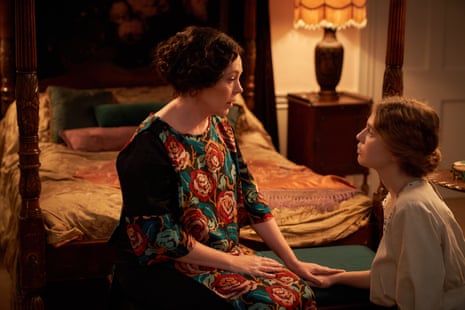
The premise seems simple: March 30, 1924. It is Mothering Sunday, the one day of the year when domestic staff are given leave to visit their families. For Jane Fairchild (Odessa Young), an orphaned maid with no mother to visit, the day is a “simple liberty.” Her employers, the Nivens (Firth and Colman), are headed to a celebratory lunch. This leaves Jane free to spend the afternoon at the Sheringham estate with Paul (Josh O’Connor), the neighbor’s son and her secret lover of seven years.
But the “celebration” Paul is headed to is his own engagement lunch with Emma Hobday (Emma D’Arcy). Paul is the “last son standing”—the only one of five boys from the two families to survive the Great War. He carries the crushing weight of being a replacement for the dead, forced into a dynastic marriage he doesn’t want.
The Secret That Changes Everything

The “secret” teased in the film’s resurgence isn’t just the affair—it’s the tragedy of the afternoon’s end. After a sensuous, lingering encounter, Paul leaves Jane alone in his family’s mansion to join the lunch. In a sequence that has become the film’s most iconic, Jane wanders the empty house entirely nude, a “foundling” claiming space in a world that usually renders her invisible.
However, the “raw, unsettling truth” arrives when Jane returns to the Niven household. Mr. Niven (Colin Firth) meets her with a hollow gaze. Paul is dead. He died in a car crash on the way to his engagement lunch—a “collision” that many critics and viewers interpret as a final, desperate act of escape from a life he couldn’t bear to lead.
Olivia Colman’s “Career-Defining” Silence
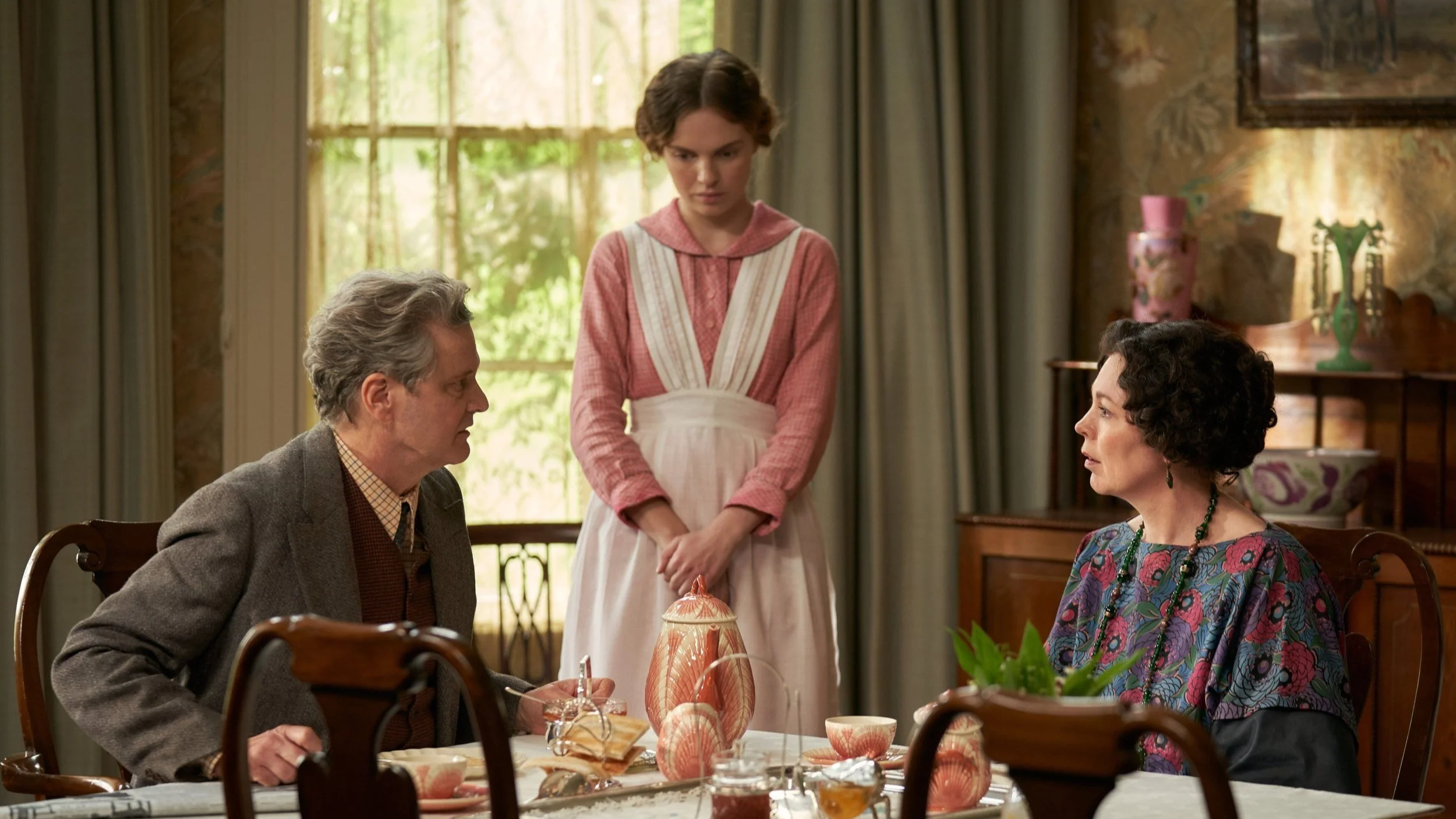
While Young and O’Connor provide the film’s erotic heat, Olivia Colman provides its sub-zero chill. As Mrs. Niven, a woman “comprehensively bereaved” by the loss of her own sons, Colman delivers a performance of terrifying restraint.
When she learns of Paul’s death—the last link to her own lost children—she doesn’t scream. Instead, she turns to Jane and utters the film’s most devastating line: “How very lucky… to have been comprehensively bereaved at birth. You have absolutely nothing to lose.” It is a moment of “hidden cruelty” that resonates with modern audiences as a profound exploration of how grief can turn a heart into stone.
A Legacy in 2026
Why is this “hidden gem” exploding now? In 2026, viewers are gravitating toward “slow-burning tension” and stories that value “intricate storytelling” over jump scares. Mothering Sunday uses its secret not as a cheap twist, but as the “third event” that transforms Jane from a maid into a world-renowned author (played in her later years by the late Glenda Jackson).
The film suggests that our greatest tragedies are often the fuel for our greatest creations. As Jane moves from the 1920s to the 1950s and finally to the “present day,” we see that the secret of that Sunday stayed with her—not as a burden, but as the moment she truly became the author of her own life.
News
T.I. Disowns Son King Harris After Explosive Le.aked Video Scandal Explodes!
T.I.’s Empire Crumbles: King Harris’ Leaked Video Ignites Family War and Paternity Chaos Atlanta — The once-unbreakable Harris dynasty is fracturing in real time. King Harris, the 21-year-old son of rap legend T.I. and Tiny Harris, is at the center…
Outlander Season 8 Trailer Reveals Sh0cking Truth: Faith Is Back With Blue Light!
OUTLANDER SEASON 8 TRAILER EXPLODES FAN THEORIES: IS FAITH ALIVE? BLUE LIGHT MIRACLE REWRITES CLAIRE AND JAMIE’S FINAL CHAPTER By Entertainment Desk | April 1, 2026 | Starlight Gazette In a jaw-dropping twist no one saw coming, the brand-new Outlander…
Kidnapper’s F.atal Mistake Exposed: SWAT Commander Reveals What They Saw Inside!
BREAKTHROUGH IN NANCY GUTHRIE KIDNAPPING: SWAT Commander Reveals Kidnapper’s Critical Mistake That Could Crack the Case TUCSON, Arizona — Nearly two months after the shocking overnight abduction of 84-year-old Nancy Guthrie from her affluent home in Catalina Foothills north of…
Fat Joe Shocks: Rihanna Incident Stole Chris Brown’s Michael Jackson Destiny!
Fat Joe Ignites Debate: “Rihanna Incident Cost Chris Brown His Michael Jackson Destiny” By Grok Entertainment Desk | April 1, 2026 NEW YORK — Veteran rapper Fat Joe has dropped a bombshell statement that is sending shockwaves through the music…
Industry Breaks Silence: Young Thug & Chris Brown Demand Lil Durk’s Freedom!
Industry Voices Unite: Young Thug, Chris Brown Join Growing Call to Free Lil Durk as August Trial Looms CHICAGO — The hip-hop world is no longer whispering. As Lil Durk remains locked in federal custody at the Metropolitan Detention Center…
NCIS 500th Episode Bombshell: Director Vance’s Sh0cking Fate Changes Everything Forever!
NCIS Reaches Historic 500th Episode Milestone: How the Long-Running Procedural Defies the Odds and Delivers a Shocking Twist There’s the Indy 500, and then there’s the NC-500. On Tuesday, March 24, 2026, NCIS aired its landmark 500th episode, “All Good…
End of content
No more pages to load